Post by : Saif
Al-Najjar
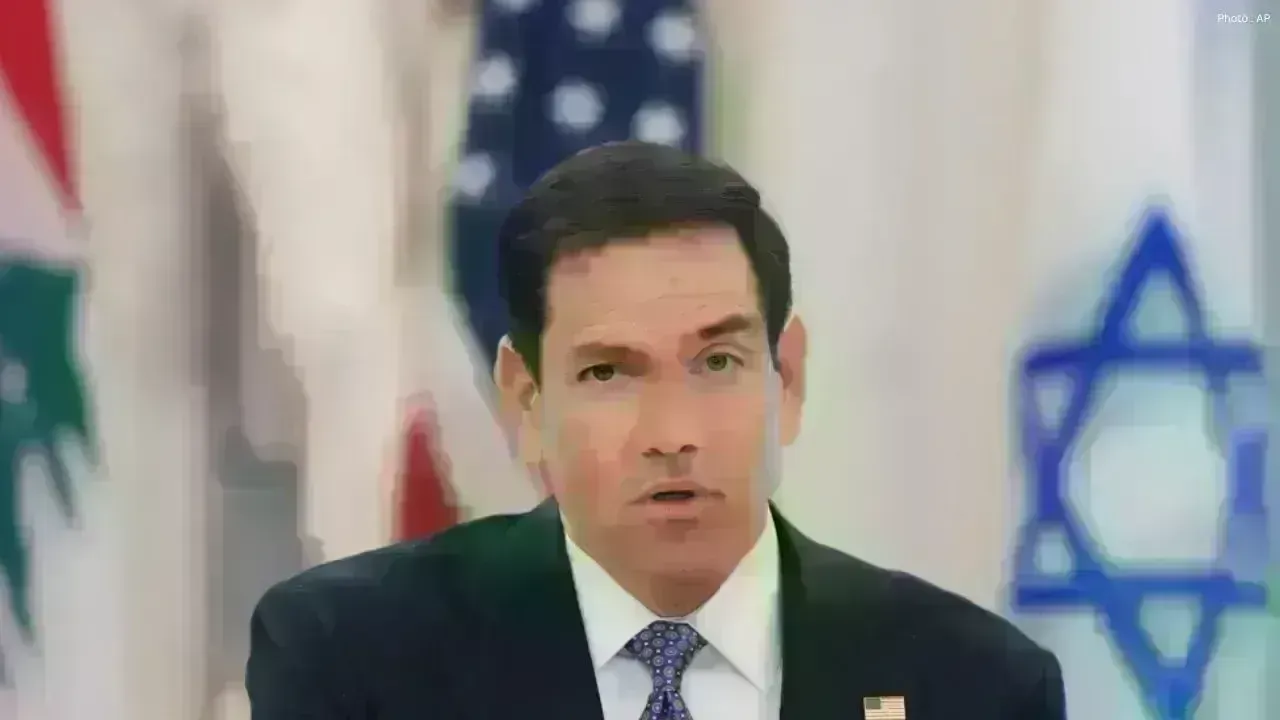
Diplomatic discussions have resumed in Washington, focused on potentially extending a fragile ceasefire between Israel and Lebanon. These negotiations unfold against a backdrop of heightened tensions, particularly due to Hezbollah's ongoing involvement in the conflict.
The primary goal is to prolong a temporary ceasefire that was initially established to mitigate border violence. Although this truce has reduced the intensity of hostilities, it has not completely halted clashes. Reports of airstrikes and retaliatory attacks indicate an unstable situation.
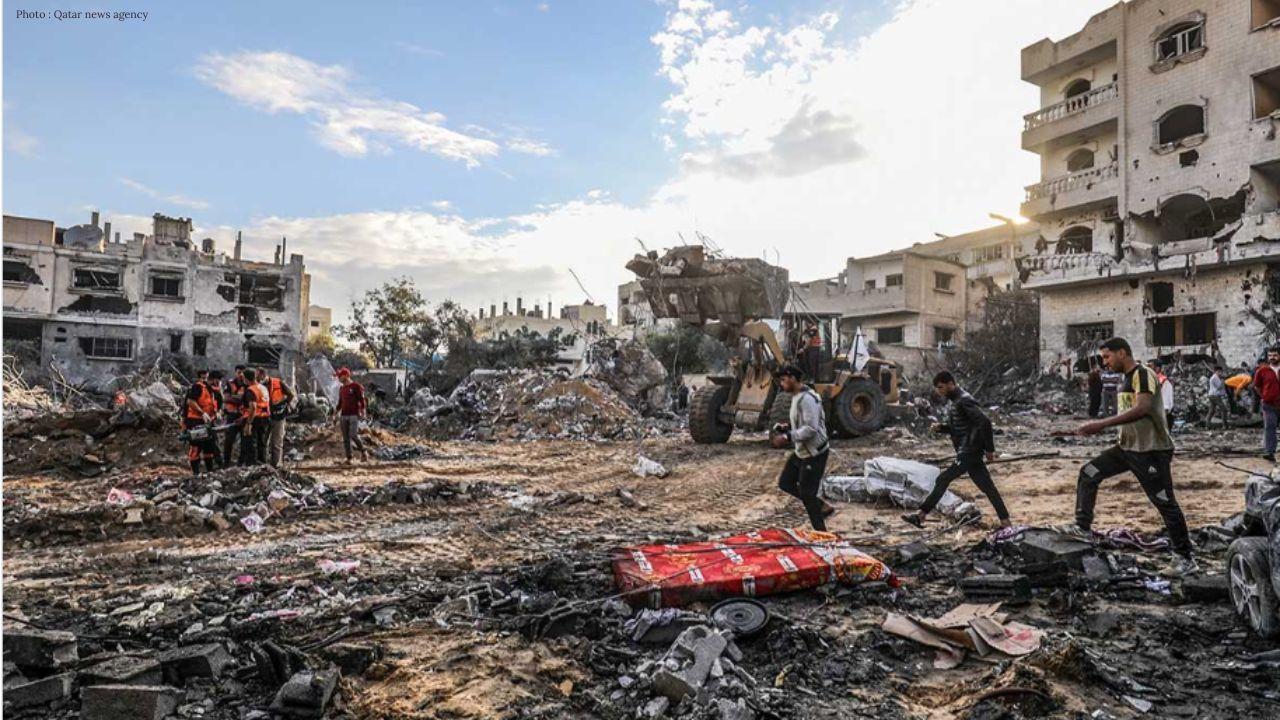
The conflict has resulted in extensive devastation on both sides, with numerous casualties and thousands displaced from their homes. Southern Lebanon has faced severe impacts, suffering damage to homes, infrastructure, and essential services, leading to a dire humanitarian crisis.
Lebanon is anticipated to advocate for a more extended ceasefire alongside the withdrawal of Israeli troops from specific regions. Additionally, it seeks a cessation of hostilities to facilitate a return to normalcy. Conversely, Israel prioritizes its security and views Hezbollah as a significant threat, calling for decisive measures to diminish its military presence.
A significant hurdle in these discussions is the absence of Hezbollah from the negotiations. Given its active role in the conflict, any agreements lacking its involvement may prove challenging to implement, complicating the prospects for a lasting resolution.
The United States is mediating these dialogues, aiming to foster communication and reduce violence. However, the intricate nature of the conflict is intertwined with broader regional tensions, including those involving Iran and Middle Eastern security dynamics.
The existing ceasefire remains tenuous, with both factions trading accusations of violations, creating an environment where minor incidents could spark larger escalations. Trust is notably lacking, slowing any potential progress.
Nevertheless, these talks signify a vital step forward. Maintaining dialogue, even in challenging circumstances, is crucial for alleviating tensions and paving the way for future agreements. Ongoing communication is essential to minimize misunderstandings and foster some trust.
This situation underscores the complexities of cultivating enduring peace in areas marked by protracted conflicts, necessitating patience, compromise, and collaborative efforts from all parties involved. Without these elements, any ceasefire risks being short-lived.
The ongoing negotiations in Washington reflect both optimism and uncertainty. While opportunities to lessen violence exist, achieving lengthy peace will pose significant challenges that demand persistent commitment from all parties.


 English