Post by : Mikhael
Al-Saeed
Recognizing Osteoporosis: 5 Crucial Early Signs You Must Take Seriously
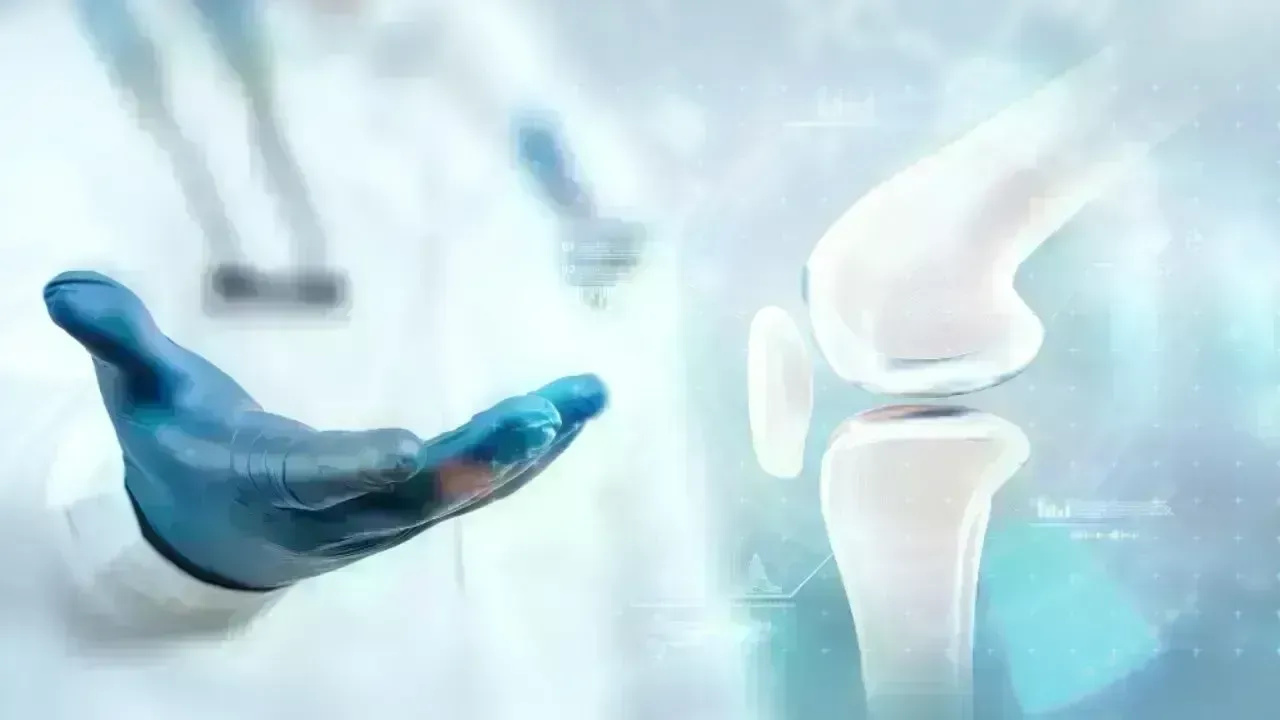
Our bones quietly support our body throughout our lives, enabling us to stand, walk, and perform daily activities. While many focus on heart health or weight management, bone health is often overlooked. People generally think about their bones only after an injury. A significant issue linked to weakened bones is osteoporosis, which gradually diminishes bone strength often without noticeable symptoms.
Known as a silent condition, osteoporosis occurs slowly, often leading individuals to feel fine for years, unaware of underlying damage. Serious pain or fractures often emerge only when significant deterioration has happened. Thus, recognizing the early warning signs of osteoporosis is critical to maintaining bone integrity and preventing future complications.
Here’s a straightforward overview of five early signs of osteoporosis that should never be overlooked.
Understanding Osteoporosis
Osteoporosis is a condition resulting in thin, weak bones that break easily. Healthy bones are strong and dense; however, in osteoporosis, bones become porous and fragile.
While both genders are at risk of developing osteoporosis, it is more common among older adults, particularly women post-menopause. Factors such as poor nutrition, inadequate calcium intake, inactivity, smoking, high alcohol consumption, and family history can heighten susceptibility.
1. Persistent Back Pain
Recurring back pain can be an early symptom of osteoporosis. Many attribute back pain to poor posture or muscle strain, but it can also originate from weakened spinal bones.
As bones deteriorate, tiny cracks may form in the spine, resulting in discomfort that intensifies after prolonged standing or walking.
If back pain persists without obvious cause, it's essential to seek further evaluation.
2. Noticeable Height Loss
While slight height reduction is a normal part of aging, significant height loss may indicate osteoporosis. Deteriorating spinal bones can slowly collapse, causing a decline in stature.
Many may overlook this change unless they frequently check their height. Differently fitting clothes or appearing shorter in photos can be subtle signs.
If there’s a steady reduction in height, it may signal declining bone strength.
3. Changes in Posture
Postural changes can signal early osteoporosis. A rounded upper back or stooped appearance often arises when spinal bones weaken.
These adjustments typically occur gradually. Often, family members might notice the change before the individual does. A forward-leaning posture can lead to discomfort and balance issues.
4. Fragile Bones
Experiencing fractures from minor falls or accidents is not typical. Healthy bones generally withstand minor impacts, leading to bruises rather than breaks.
Individuals with osteoporosis may find that even simple movements result in fractures, especially in the hip, wrist, or spine. Such breaks often mark the first indication of weakening bones.
A low-impact fracture must be addressed seriously.
5. Decline in Grip and Balance
Bone health directly correlates with muscle strength and balance. Early stages of osteoporosis may manifest as reducing grip strength, difficulty holding items, or feeling unsteady.
Weak bones can hinder balance and posture, increasing fall risk, which in turn heightens the fracture risk.
If balance feels off or limbs seem weaker, it’s crucial to get a bone health evaluation.
The Importance of Early Detection
Osteoporosis develops gradually, but early detection can slow bone loss and minimize fracture risks.
Identifying osteoporosis early can help:
Neglecting early signs can lead to painful injuries and long-term mobility issues.
Daily Habits for Strong Bones
In addition to professional guidance, daily practices can bolster bone strength:
-
Consume calcium and vitamin D-rich foods
-
Engage in sunlight exposure for natural vitamin D synthesis
-
Participate in weight-bearing activities like walking
-
Avoid tobacco and limit alcohol intake
-
Maintain proper posture when sitting and standing
These small adjustments can significantly strengthen bones over time.
Who Needs to Pay Extra Attention?
Certain groups face a higher risk of osteoporosis and should be more vigilant:
-
Women post-menopause
-
Individuals over 50
-
People with a family history of bone issues
-
Individuals with low body weight
-
Those with limited physical activity
If you belong to any of these categories, monitoring for early signs becomes even more crucial.
Typically, bone health remains neglected until a fracture occurs, but osteoporosis does not emerge suddenly. It develops in a gradual manner. Persistent back pain, height loss, shifts in posture, fragile bones, and balance issues are indicators that must not be disregarded.
Listening to your body and taking preventive measures can safeguard your bones in the long run. Strong bones support a strong life, and prioritizing bone health now can help you remain active and self-sufficient for many years to come.
Disclaimer
This article serves general informational purposes only. The knowledge presented is based on widely available information regarding bone health and osteoporosis. It is not intended to substitute professional medical advice, diagnosis, or treatment. Health conditions, symptoms, and risk factors vary for each person. Content should not be used for self-diagnosis or self-treatment. Readers are strongly recommended to consult a qualified healthcare provider for comprehensive evaluation, accurate diagnosis, and personalized advice related to bone health, osteoporosis, or associated symptoms.


 English