Post by : Abhinav
Rana
Photo : X / @MobilePunch
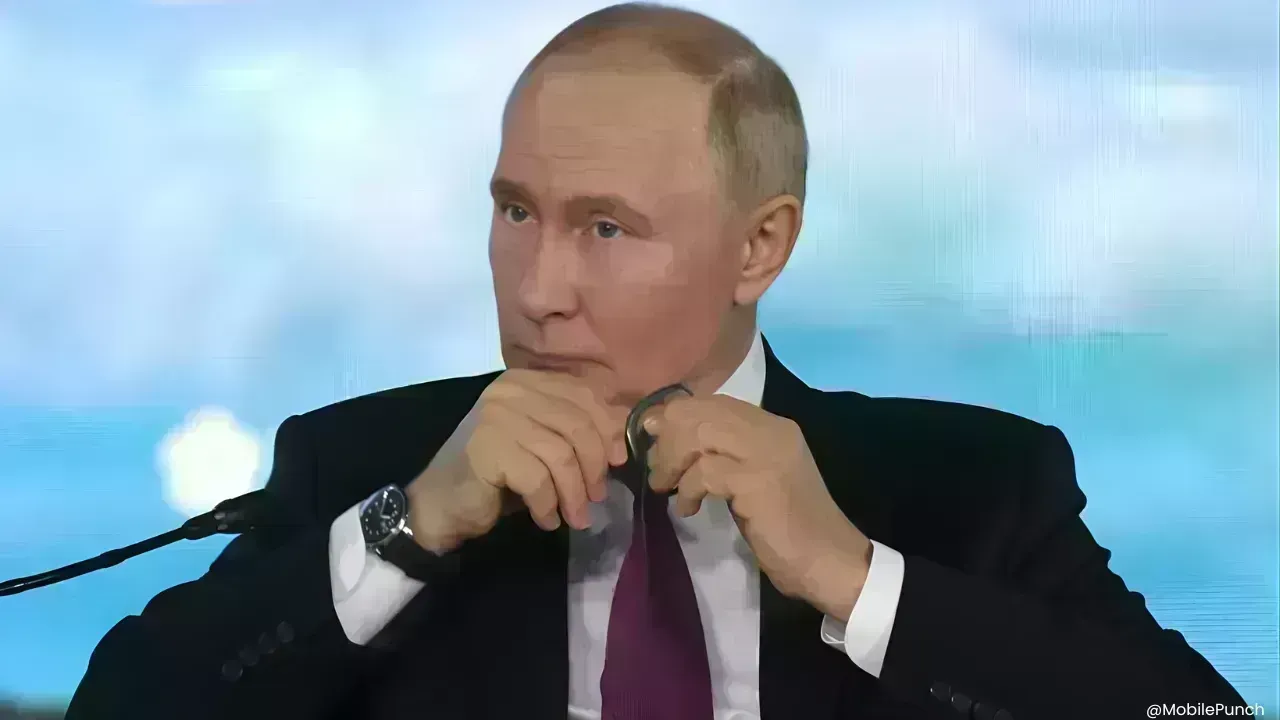
In a significant geopolitical development, Vladimir Putin has stepped forward with an offer to mediate between the United States and Iran following the collapse of high-stakes peace negotiations. The move comes at a moment of heightened global tension, where failed diplomatic efforts have intensified fears of prolonged conflict in the Middle East. Putin’s outreach to Tehran signals Russia’s intent to play a central role in shaping the next phase of international diplomacy, positioning itself as a key power broker in one of the world’s most volatile regions.
The latest round of talks between the United States and Iran, held in Islamabad, ended without any agreement despite nearly 21 hours of intense negotiations aimed at stabilising the ongoing conflict and restoring regional balance. The failure highlights deep-rooted differences between the two sides, particularly over nuclear policies, military positioning, and regional influence. What was once seen as a potential breakthrough moment has now turned into a renewed phase of uncertainty, raising concerns about escalation across critical geopolitical and economic corridors.
Following the collapse of the talks, Putin held direct communication with Iran’s leadership, offering Russia’s support in facilitating a political and diplomatic resolution. He emphasized readiness to help broker a “just and lasting peace,” reinforcing Moscow’s stance as a mediator rather than a direct participant in the conflict. This intervention is not merely symbolic, it reflects Russia’s strategic ambition to expand its influence in Middle Eastern affairs while presenting itself as a stabilising force amid growing global uncertainty.
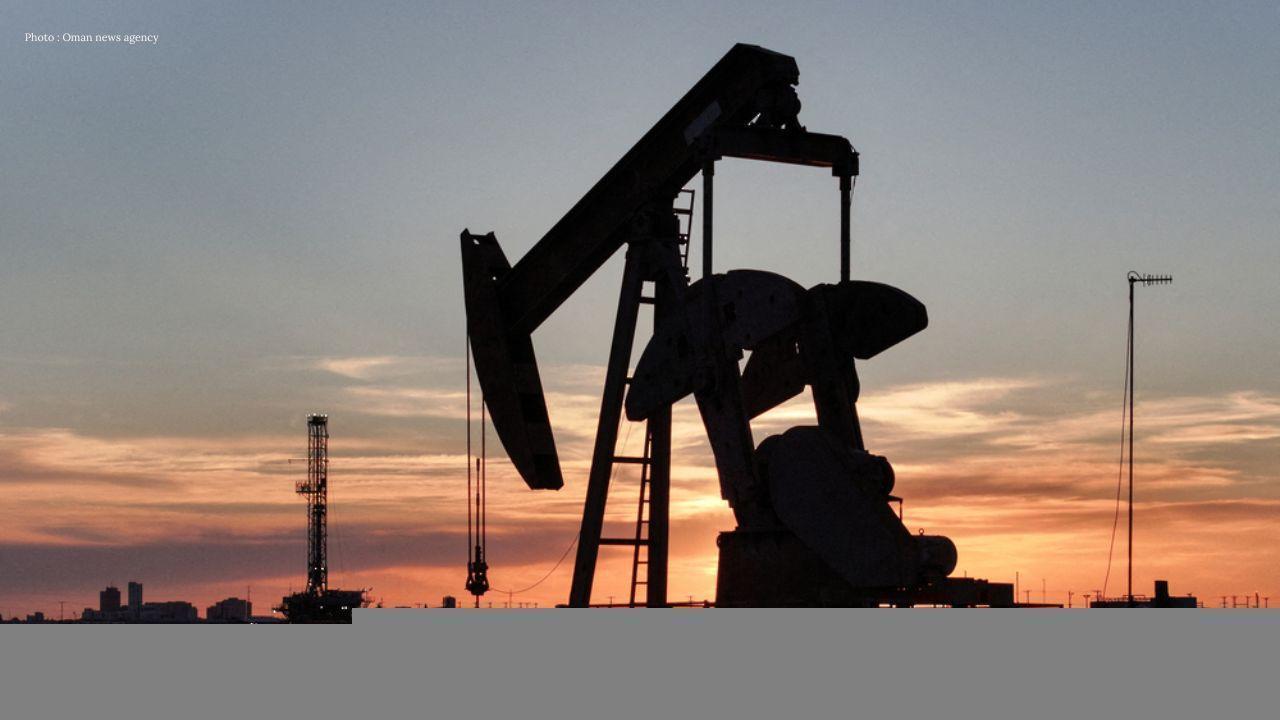
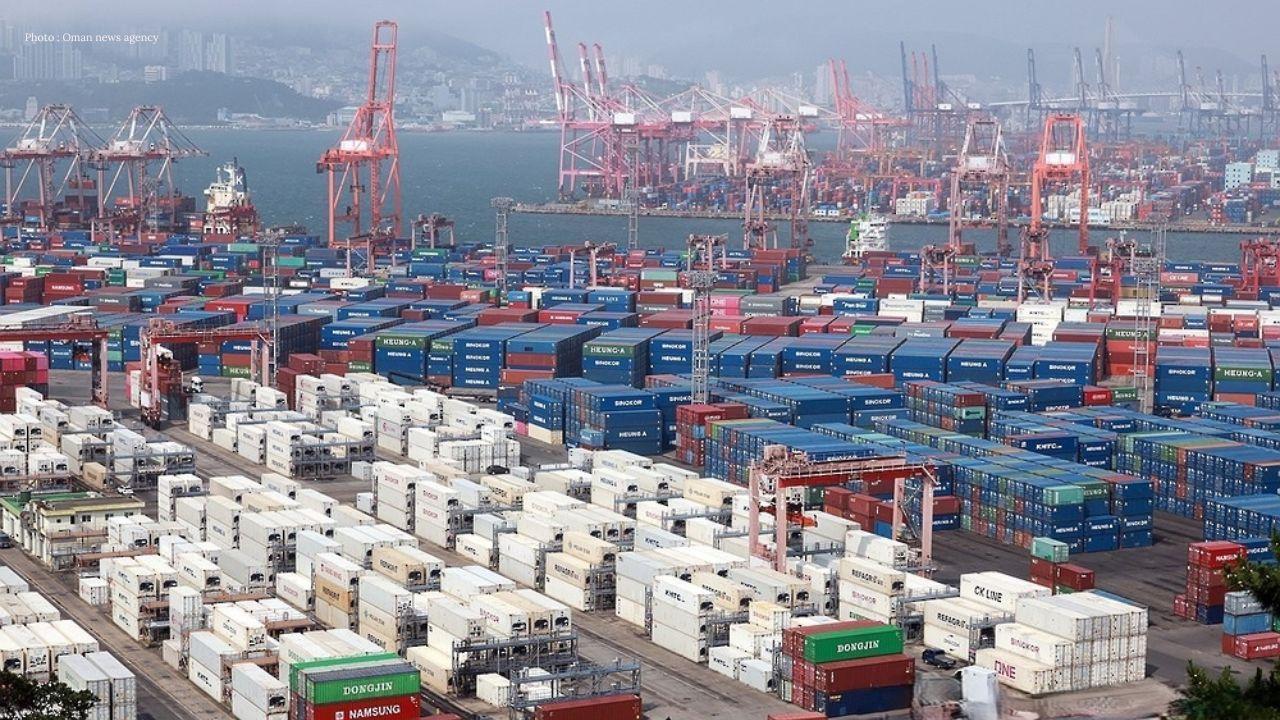
The implications of the failed negotiations extend far beyond diplomacy, directly affecting global energy markets and transportation routes. The Strait of Hormuz, a critical artery for global oil shipments, remains at the center of the crisis, with tensions threatening to disrupt supply chains and drive up energy prices worldwide. As geopolitical friction intensifies, the stability of these routes becomes increasingly uncertain, impacting not only energy markets but also global trade and logistics networks.
Russia’s offer to mediate highlights a broader shift in global power dynamics, where traditional alliances are being tested and new diplomatic alignments are emerging. Moscow’s relationship with Tehran, combined with its strategic positioning against Western influence, allows it to operate as a critical intermediary. Analysts view this as part of a larger effort by Russia to assert its relevance on the global stage, particularly in regions where geopolitical tensions intersect with economic interests.
The international community has responded with cautious optimism, urging all parties to return to the negotiating table and prioritise diplomatic solutions over military escalation. While Putin’s mediation offer introduces a potential pathway forward, the success of such efforts will depend on the willingness of both the United States and Iran to engage in meaningful dialogue. The complexity of the issues at hand means that any resolution will require sustained negotiation and compromise from all sides.
As tensions continue to rise, the situation represents a defining moment for global diplomacy. Putin’s intervention could either open a new channel for dialogue or further complicate an already fragile geopolitical landscape. What remains clear is that the stakes are higher than ever not just for the Middle East, but for global stability, energy security, and the future of international relations. In a world increasingly shaped by power shifts and strategic rivalries, the outcome of this crisis will have far-reaching consequences.


 English