Post by : Shakul
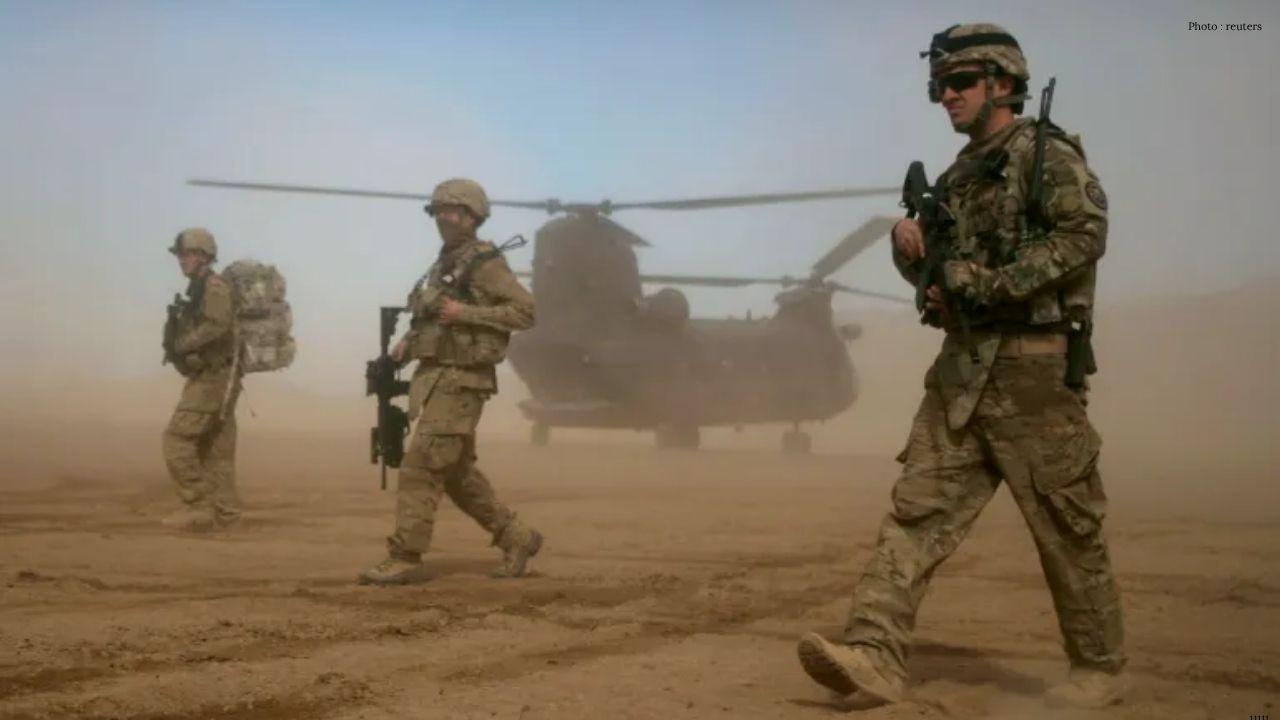
Optimism is emerging around the possibility of renewed dialogues between the United States and Iran as diplomatic maneuvers persist amid soaring tensions in the Middle East. The scenario remains precariously balanced, with U.S. military sources confirming the effectiveness of the blockade at Iranian ports, placing added pressure on Tehran while creating uncertainty throughout the region.
Officials indicate that preparations for a second round of discussions are actively underway, with Islamabad seen as a potential venue for these negotiations. Donald Trump has suggested that conversations could be revived shortly, providing cautious hope in light of previous stalemates.
United Nations Secretary-General Antonio Guterres has also signaled optimism regarding the renewal of discussions, stressing the critical nature of diplomatic efforts and ongoing ceasefire considerations. He underscored the need to uphold international navigation rights, particularly within the strategically vital Strait of Hormuz.
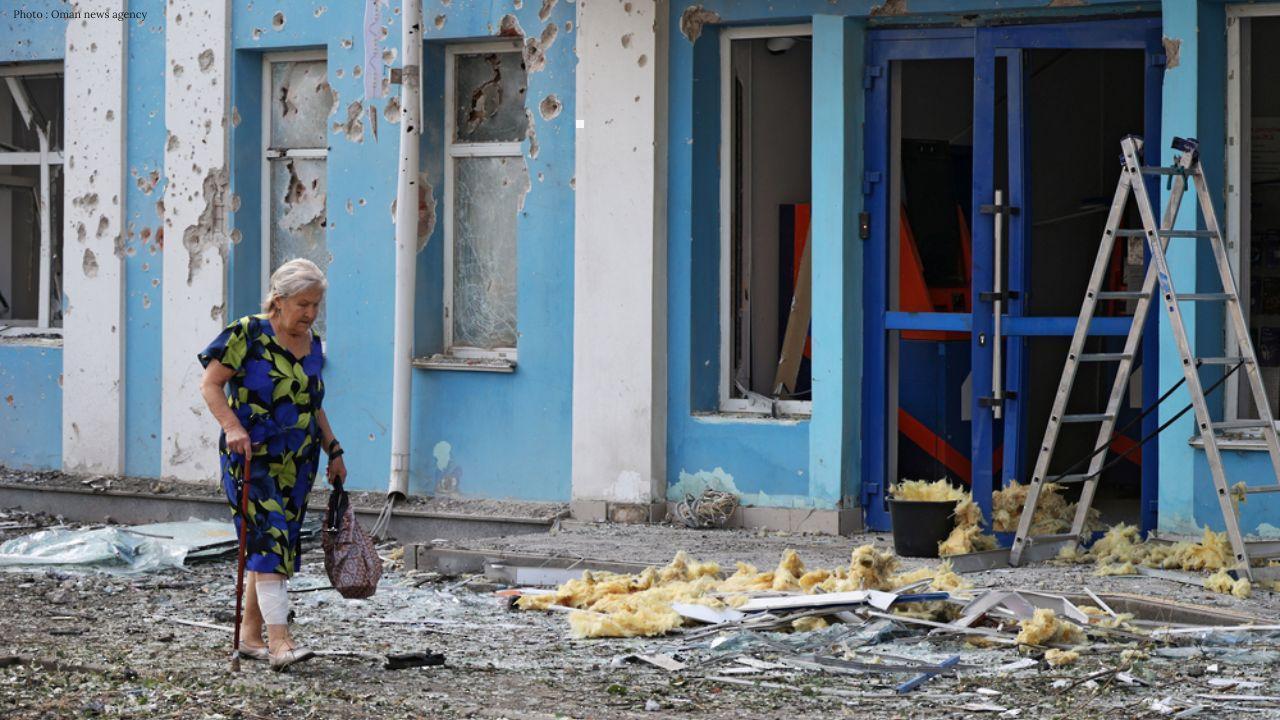
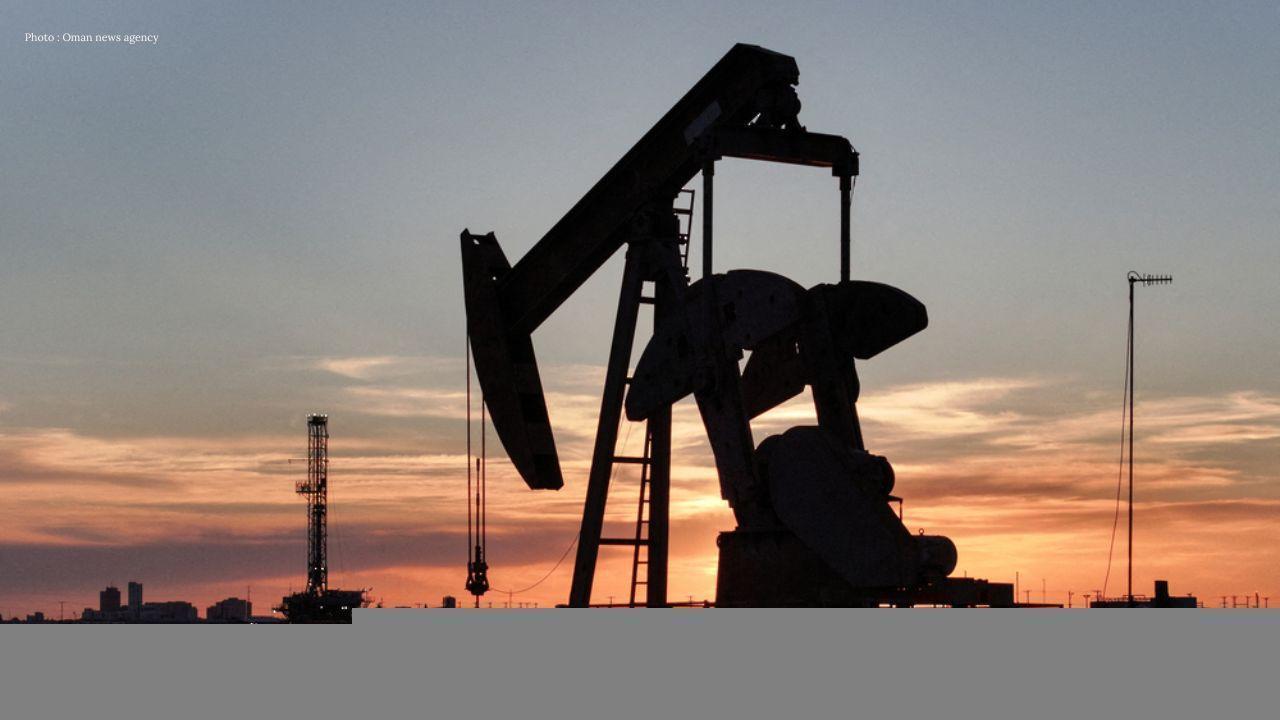
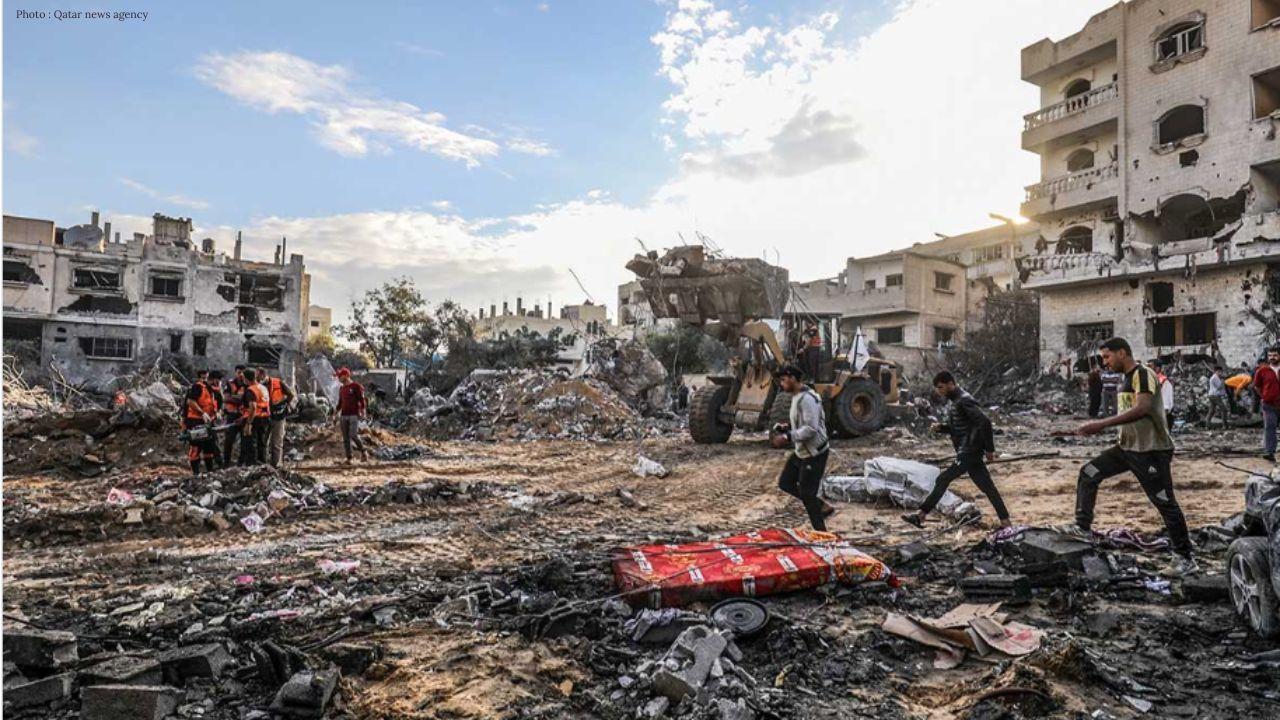
This prolonged conflict, now heading into its seventh week, has significantly influenced global markets. Oil prices have begun to dip amid peace hopes, while U.S. stock indices inch closer to record highs. However, disturbances in shipping routes coupled with persistent airstrikes have severely impacted both military and civilian infrastructures across the region.
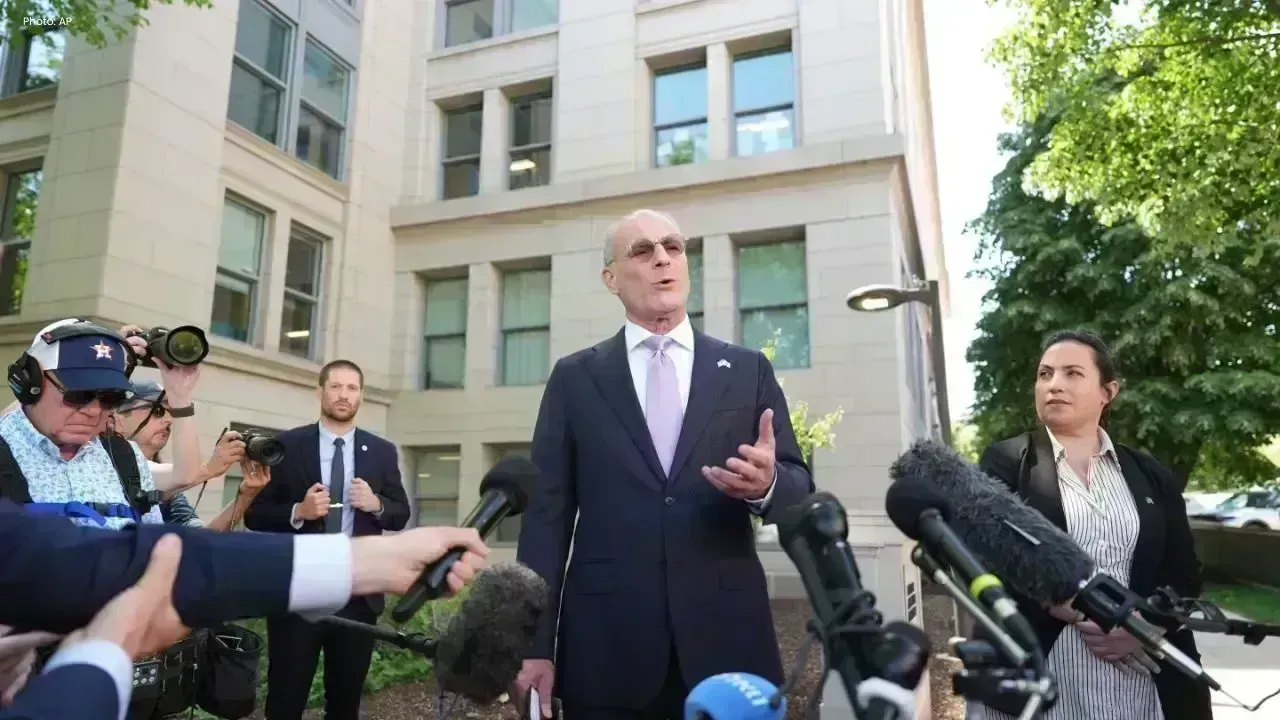
In a related context, diplomatic efforts are also broadening beyond the U.S.-Iran dispute. Conversations between representatives from Israel and Lebanon in Washington have been deemed constructive, with both parties recognizing mutual interests, though tensions stemming from Hezbollah continue to present challenges.
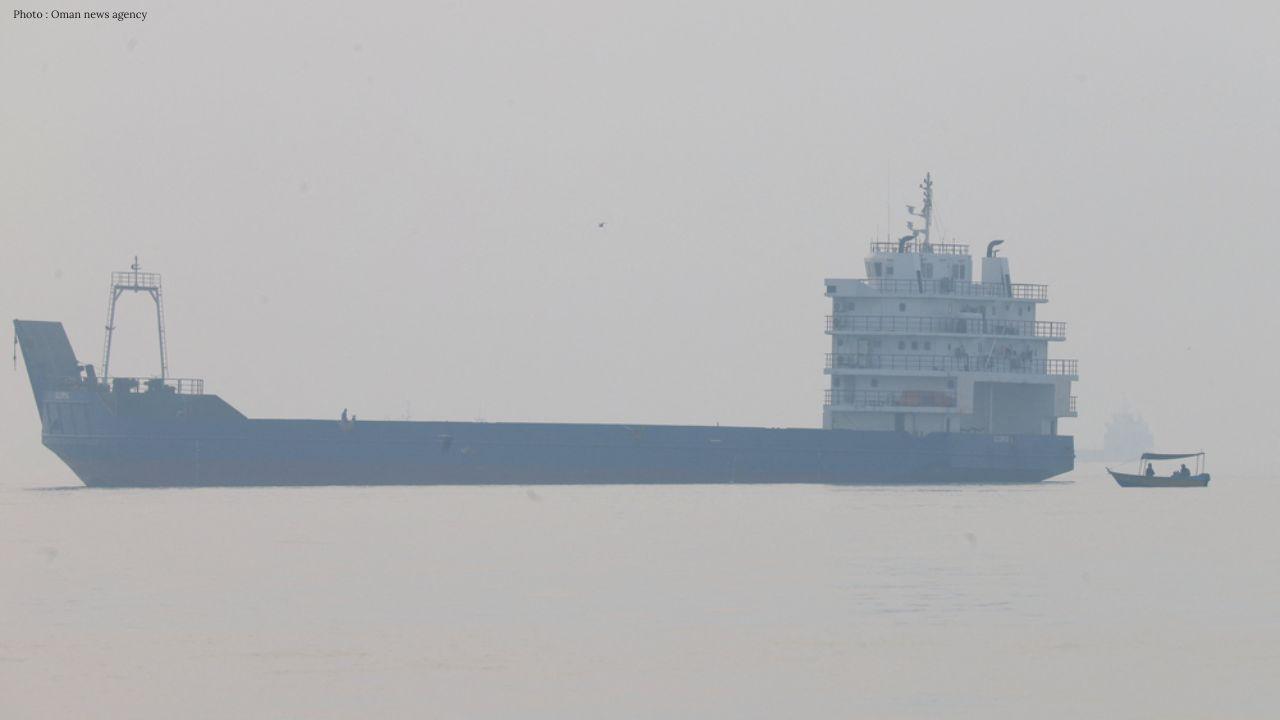
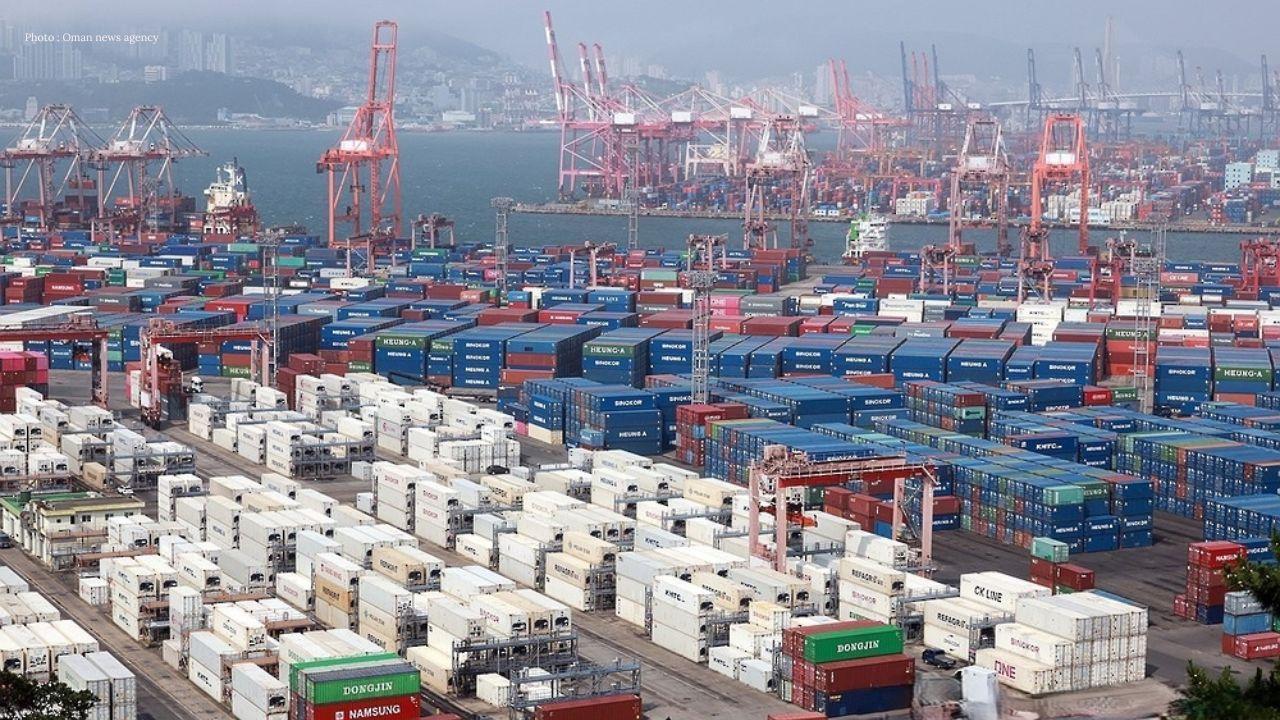
While a ceasefire currently prevails, risks remain elevated, as the blockade in the Strait of Hormuz disrupts global commerce. U.S. Central Command has reported that several ships were compelled to alter their course, reflecting the strict enforcement of the blockade and its immediate implications for maritime operations.
The ongoing conflict has produced thousands of casualties across multiple nations, including Iran, Lebanon, and Israel, as well as displacing vast populations. As diplomatic endeavors advance, the world's attention remains fixed on whether negotiations can effectively de-escalate the ongoing crisis.
Ultimately, the situation underscores a fragile equilibrium between military pressure and diplomatic initiatives, with the resumption of talks potentially offering a viable route toward stability amidst a region long afflicted by turmoil.


 English