Post by : Saif
Al-Najjar
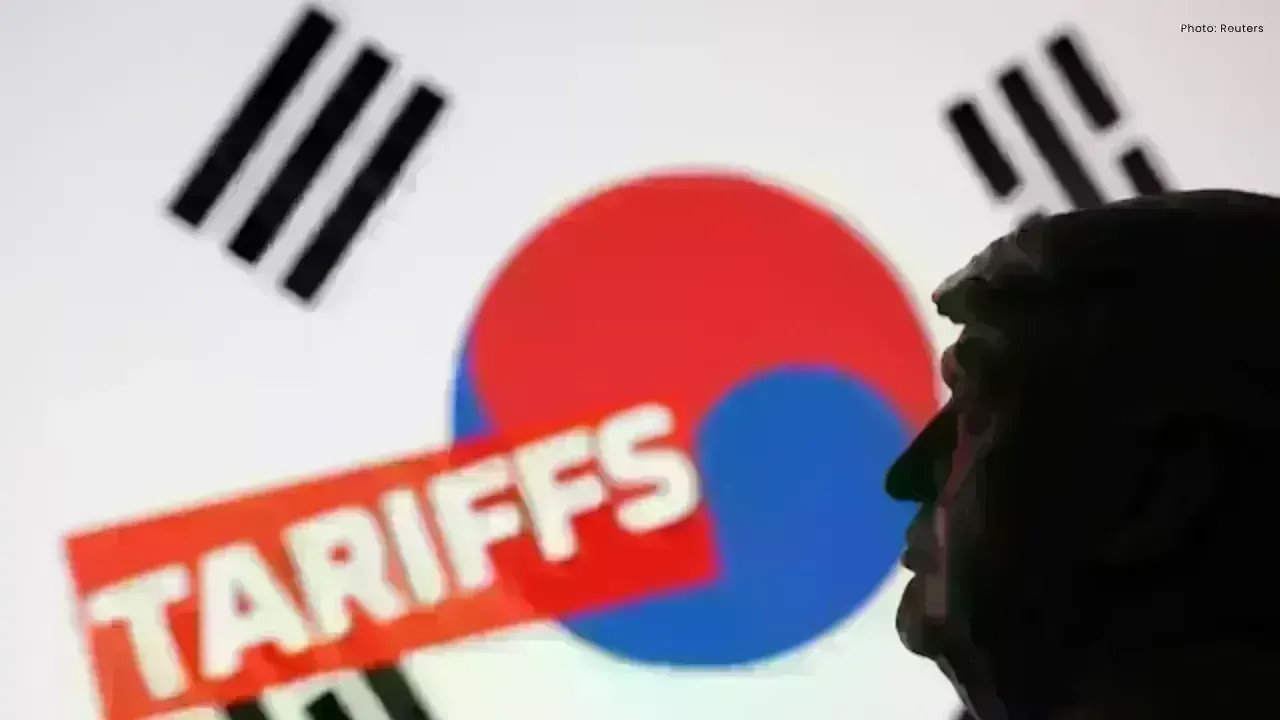
Officials in South Korea have indicated that the new tariffs imposed by the United States on certain advanced AI chips are expected to have minimal immediate consequences for local companies. Nevertheless, they are vigilant, cautioning that future measures might pose greater risks.
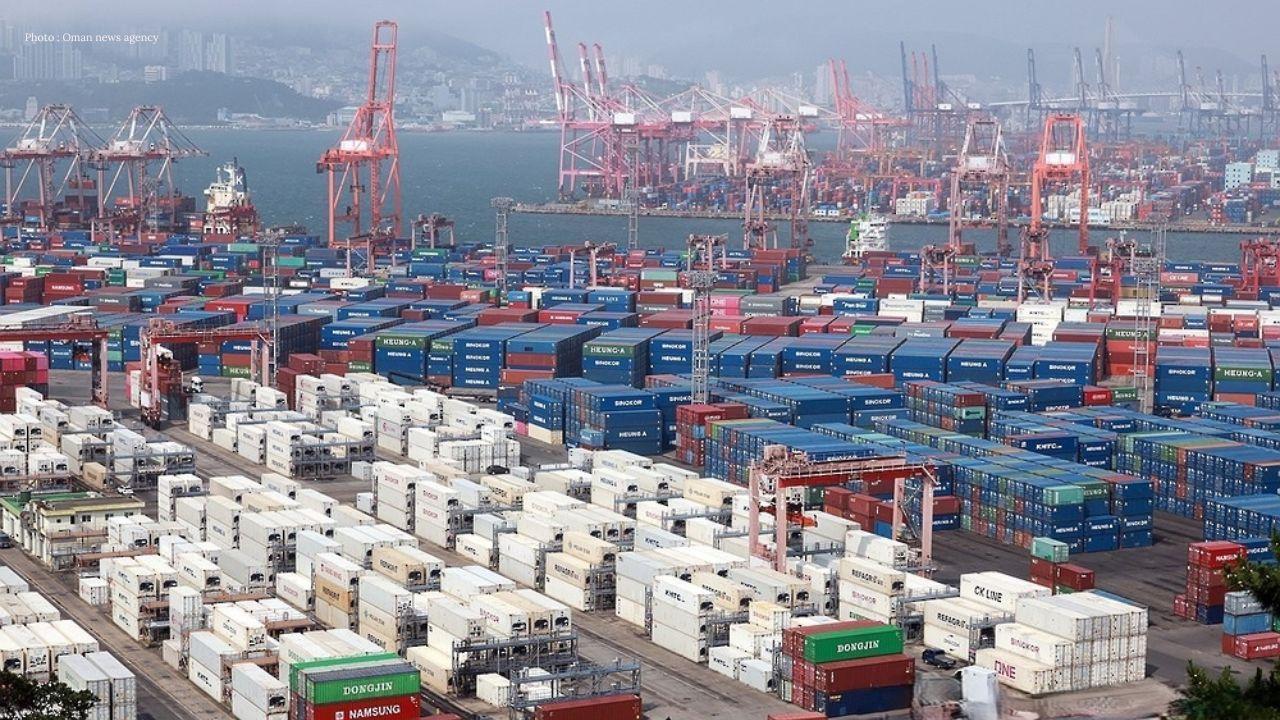
Trade Minister Yeo Han-koo noted that the initial phase of these tariffs predominantly targets high-performance chips from Nvidia and AMD, crucial for AI and advanced computing. As South Korean businesses primarily export memory chips, which are not listed in the current tariffs, the immediate impact on the semiconductor sector appears limited.
However, Minister Yeo warned that premature optimism would be unwise. He expressed concerns regarding the possibility of the U.S. extending these tariffs in a second phase to encompass additional chip types and related products. The South Korean government is engaged with local semiconductor manufacturers to stay prepared for any changes.
These tariffs, enacted by US President Donald Trump, followed a nine-month national security investigation. The White House asserts these tariffs are specifically tailored and exempt those chips used in US data centers, consumer electronics, industrial devices, or public sector endeavors.
Nonetheless, stronger future measures could loom. U.S. Commerce Secretary Howard Lutnick cautioned that South Korean and Taiwanese businesses failing to invest in U.S. production could face tariffs as high as 100 percent down the line, signaling a push for more domestic chip manufacturing.
The newly introduced tariffs are part of a broader U.S. strategy aimed at bolstering domestic chip production and reducing reliance on foreign suppliers from regions like Taiwan. For South Korea, one of the leading global chip exporters, the situation requires navigating the fine line between immediate relief and longer-term risks.
While the short-term fallout may be minimal, South Korea remains prudent, aware that any future broadening of U.S. tariffs could significantly impact its international semiconductor trade. The government is dedicated to tracking developments and supporting the domestic chip industry through potential difficulties.


 English