Post by : Saif
Al-Najjar
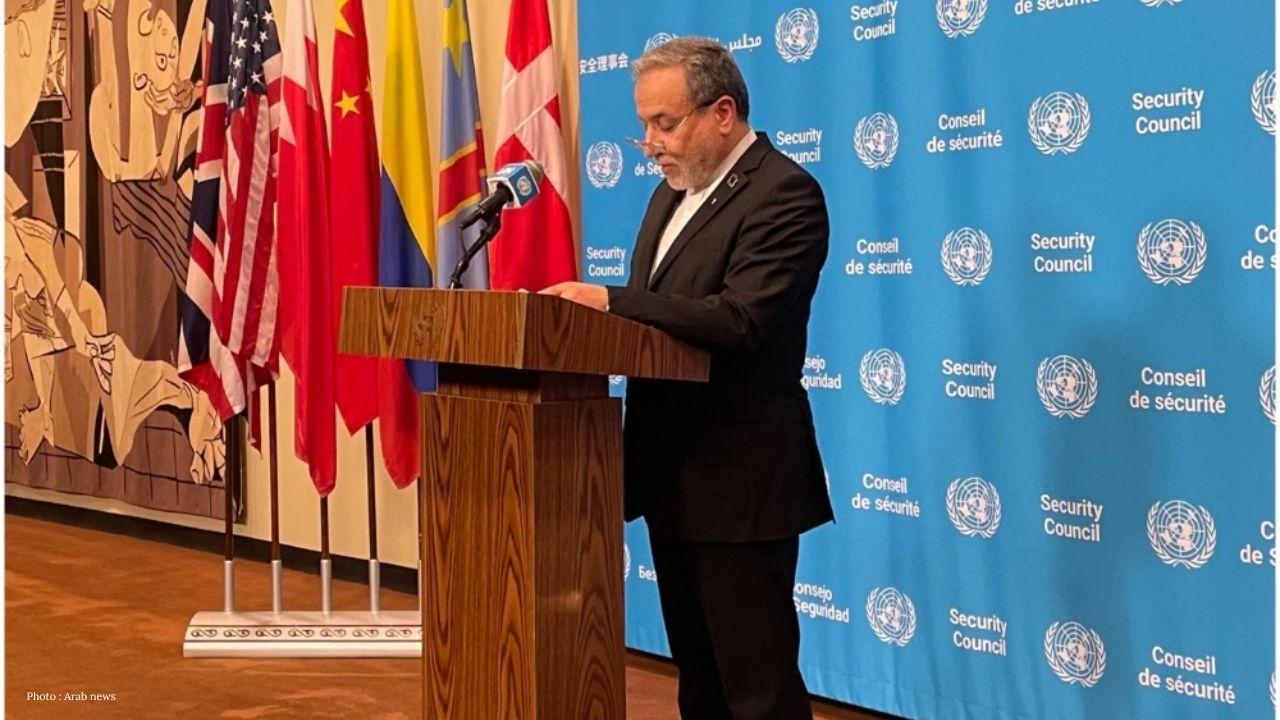
Recent strides in the diplomatic discussions between the United States and Iran have sparked optimism for a potential breakthrough in their lengthy nuclear negotiations. Reports indicate that Tehran has tentatively accepted measures related to uranium disposal, refocusing international attention on efforts to alleviate longstanding regional tensions.
Those involved in the talks are reportedly making efforts to reconcile differences surrounding sanctions, uranium enrichment, and international oversight protocols. While no comprehensive agreement has been finalized, this recent development is being seen as one of the most significant advancements in recent months.
These negotiations are particularly delicate, as the nuclear question continues to impact security concerns across the Middle East. Western nations have consistently voiced apprehensions regarding Iran’s increasing uranium reserves, while the Iranian government asserts that its nuclear activities are strictly for peaceful civilian purposes.
Analysts highlight that the current discussions might pave the way for broader diplomatic engagement if both nations exhibit a willingness to compromise. Previous attempts to mend relations between Washington and Tehran have often faltered due to distrust and disagreements over compliance and shifting political focuses.
The progress involving uranium disposal is notably important, as it has been a significant barrier in the negotiations. Global powers are advocating for stricter regulations, while Iranian representatives are seeking assurance on sanctions relief and access to economic resources.
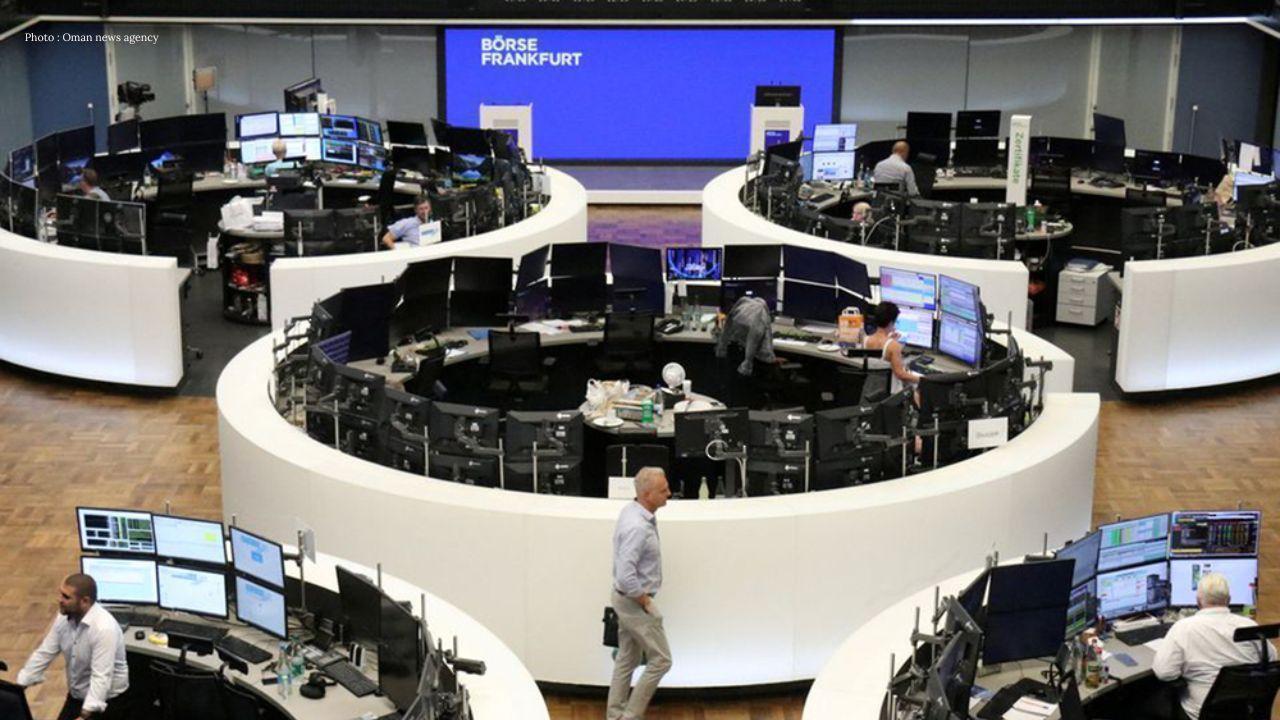
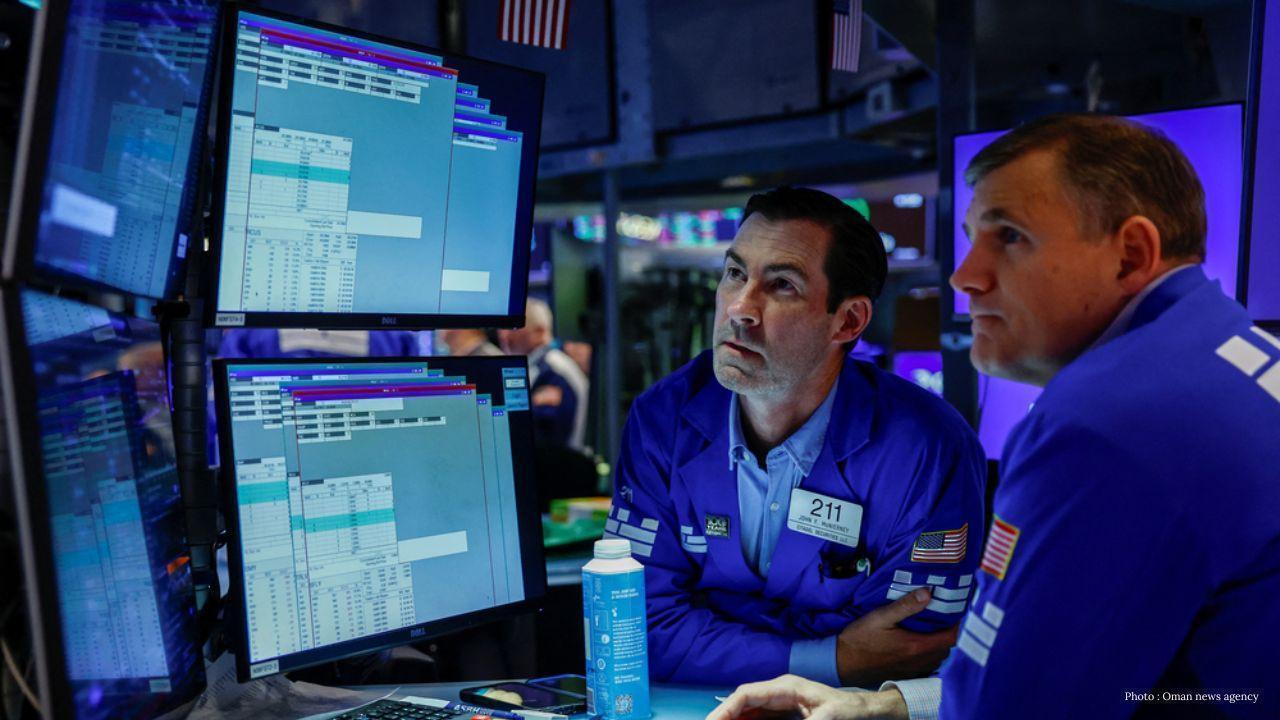
Global energy markets have shown cautious reactions to the latest reports, as any future agreements could potentially redefine oil exports and regional trade. Investors are closely watching the developments, given that changes to sanctions on Iran could impact crude supply and international price dynamics.
This diplomatic initiative is set against a backdrop of escalating geopolitical tensions in the region, with increasing military activity, political rivalries, and security issues pressuring negotiators to avoid further conflicts. Several nations are observing these discussions intently, as the outcomes could redefine strategic relationships across the Middle East.
Evolving economic pressures also play a critical role in advancing negotiations. Long-standing sanctions have hampered Iran’s banking system, foreign investment, and export incomes, while inflation and financial instability create ongoing domestic challenges. Proponents of diplomatic engagement argue that renewed dialogue could help ameliorate economic conditions and alleviate political strain.
However, skeptics in both nations express concern over compromises, with hardline factions warning against concessions and highlighting the failures of past agreements to build lasting trust.
Diplomatic experts maintain that any enduring resolution will require a series of gradual confidence-building steps rather than immediate, large-scale agreements. Historical mistrust complicates negotiations, making each stage politically sensitive and globally significant.
Despite the challenges, recent developments have fostered a sense of cautious optimism among international observers, who view continued discussions as preferable to escalating confrontations. Global mediators are anticipated to advocate for sustained negotiations while urging both parties to refrain from actions that could disrupt progress.
While a final agreement may still be a way off, recent signals indicate that diplomatic efforts are ongoing. Conversations surrounding uranium disposal, sanctions, and monitoring protocols are expected to continue as negotiators strive for a comprehensive nuclear agreement.
The world watches attentively as the United States and Iran embark on yet another crucial episode in one of the most significant diplomatic challenges impacting regional stability, international security, and global energy markets.


 English