Post by : Saif
Al-Najjar
Lebanon finds itself in a challenging predicament as internal political rifts impede talks with Israel. These fractures have complicated Saudi Arabia's role as a mediator, inhibiting any potential for peace.
Recent events indicate a lack of consensus among Lebanese leaders regarding negotiations with Israel. While some officials are advocating for talks, believing they could help ease tensions, others vehemently oppose engagement, fearing it undermines Lebanon's historical stance.
This divergence presents a substantial obstacle. A cohesive internal approach is crucial for effective negotiations, and without unity, progress remains stalled.
The underlying cause of this division lies in the varied influence of political factions. Certain leaders are open to limited agreements, focusing on ceasefire maintenance or hostility reduction, yet others firmly reject any formal discussions or peace treaties.
Hezbollah, a dominant force in Lebanon, staunchly opposes any normalization with Israel. Its significant following adds layers of complexity, as it embodies a considerable segment of both political and public sentiment.
Consequently, Saudi Arabia’s attempts to promote dialogue encounter formidable challenges, as ongoing meetings among Lebanese leaders have failed to yield a unified strategy, highlighting the entrenched divisions.
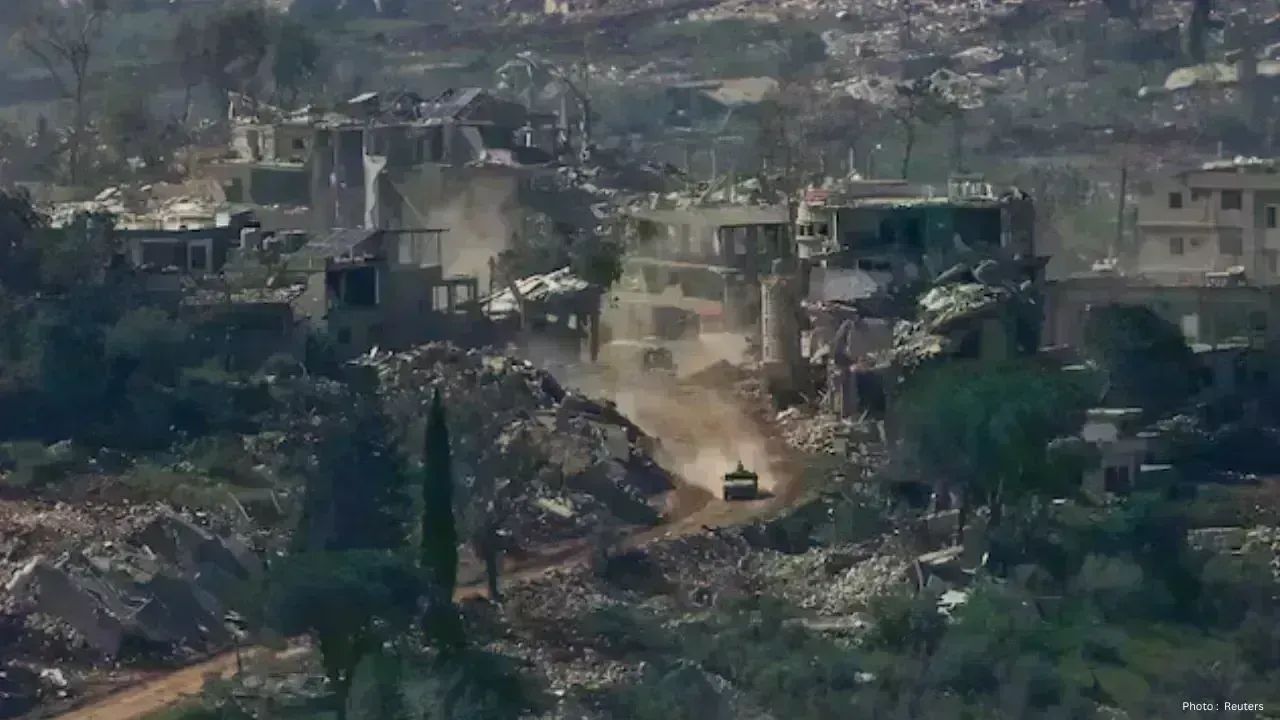
Meanwhile, the situation on the ground remains precarious. Despite a fragile ceasefire, the risk of renewed conflict persists, amidst sporadic military actions that maintain an atmosphere of uncertainty.
The ramifications of these tensions are already evident within Lebanon. Years of economic decline and political instability continue to strain the populace, whose challenges are exacerbated by potential conflict.
Internal divisions in Lebanon are a longstanding issue, often stemming from sectarian and regional loyalties, complicating decision-making processes during critical moments.
The current climate underscores the necessity of unity for any successful peace initiative. External support is essential, but true progress hinges on a cohesive agreement within Lebanon itself. Without such unity, building trust and making advancements in negotiations remains elusive.
Saudi Arabia’s involvement in this context is pivotal yet delicate. Striking a balance between assertive support and cautious non-intrusion is essential; overreaching may stir up tensions, while hesitance might stall progress.
Additionally, the broader Middle Eastern landscape continues to influence Lebanon’s circumstances. Conflicts in other regions impose further complexities, amplifying Lebanon's challenges.
For many Lebanese citizens, daily realities take precedence. Ongoing economic struggles and the legacy of violence have rendered life increasingly challenging. While stability is a collective desire, political disputes thwart clear pathways forward.
Reactions to potential talks with Israel vary significantly. Some view them as a beacon of peace, while others perceive risks and advocate against unnecessary negotiations. This divergence mirrors larger national tensions concerning balancing political aspirations with existing realities.
Lebanon is at a critical juncture. The nation must determine whether it can achieve consensus among its leaders to forge a united front, or continue to grapple with fragmentation and uncertainty.
Forging a path forward will necessitate judicious choices, strong leadership, and readiness to seek common ground. Absent these elements, endeavors for peace and stability will likely continue to languish.


 English