Post by : Shakul
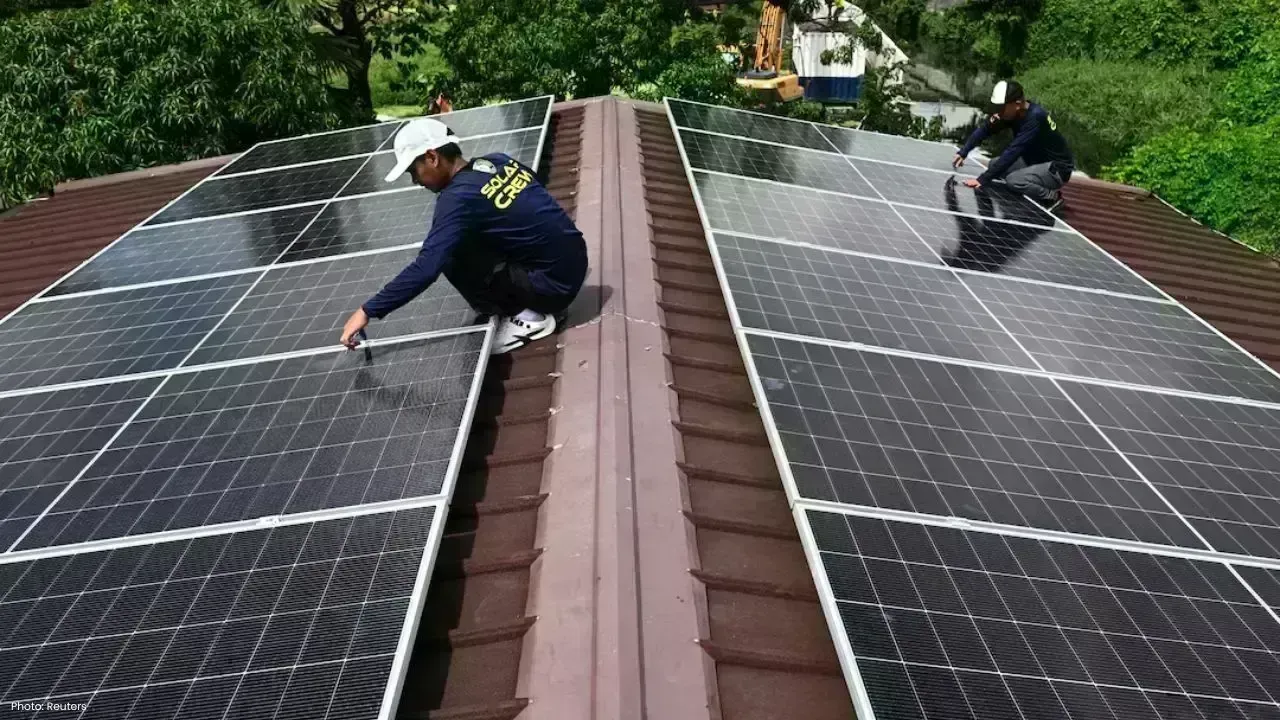
In the Philippines, there is a notable upsurge in the installation of rooftop solar systems as families and businesses seek alternatives to soaring electricity costs. The ongoing regional conflicts have resulted in significant hikes in electricity tariffs, making solar energy an appealing long-term solution for many.
Meralco, the primary electricity distributor, has raised prices by approximately 10 percent, further straining households that are already facing high living expenses. Consequently, a growing number of homeowners are opting for solar installations to alleviate their monthly electricity bills and enhance their energy autonomy.
Record Solar Panel Imports
This increased interest has positioned the Philippines among the top markets for solar panel installations globally. In the three months leading to May, solar panel imports soared to around $407 million, a staggering 145 percent increase year-on-year.
China continues to dominate the supply of solar equipment to the nation. Despite cuts in export tax incentives from China, shipments to the Philippines remain robust, underscoring the strong local demand for solar solutions.
Growing Popularity of Solar Installations
The quick uptake of solar panels can largely be attributed to rising electricity costs, power outages, and decreasing installation prices. Many families are now perceiving rooftop solar as a more immediate pathway to financial savings.
Experts estimate the average payback period for residential solar systems has decreased from four years to just over three, making this investment more appealing for middle-class families.
Obstacles Despite Strong Interest
However, the rapid growth in rooftop solar is not without challenges. Installers are facing issues with limited availability of equipment, variable component pricing, and a lack of skilled workers. Some companies report handling thousands of inquiries each day.
While government financing programs are available, many private employees do not qualify. The high initial costs of installation still deter several households, despite the potential for long-term savings.
Future Prospects for Solar Energy in the Philippines
Analysts predict that the trajectory of rooftop solar installations in the Philippines will continue on an upward trend over the coming years, provided that electricity rates remain elevated and financing options improve. It is estimated that distributed solar capacity could nearly triple, as consumers increasingly seek affordable and reliable energy options.
Proactive government policies, enhanced access to loans, and steady declines in equipment prices are all expected to bolster the transition to sustainable energy in the country.
Implications for the Global Energy Landscape
The swift move toward rooftop solar in the Philippines highlights the global trend of renewable energy adoption in response to rising energy prices. As countries aim to lessen their reliance on imported fossil fuels, decentralized solar solutions are gaining traction as a crucial aspect of energy security and climate resilience. Experts suggest the Philippine model may serve as an inspiration for other developing nations dealing with similar energy challenges.


 English