Post by : Shakul
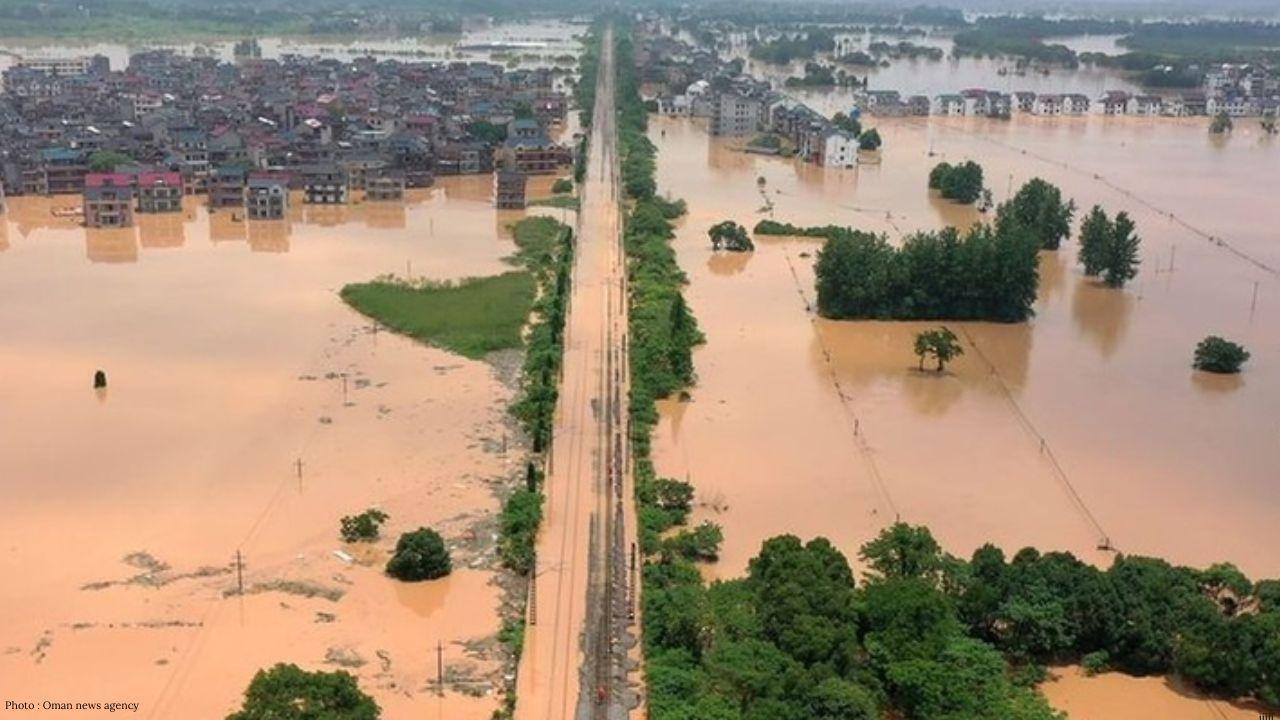
A significant political shift unfolded in the Philippines on June 1, when Senator Jinggoy Estrada was apprehended on non-bailable plunder charges related to alleged corruption tied to flood-control initiatives. This incident represents a critical turning point in one of the nation's most scrutinized political controversies, likely affecting the power dynamics within the Philippine Senate.
Police detained Estrada at the Senate complex in Manila following orders from the Sandiganbayan anti-corruption court regarding accusations that he took over 570 million pesos in kickbacks linked to government-sponsored flood-control programs. The 63-year-old politician has categorically denied the allegations, asserting his innocence.
This latest plunder allegation arrives just after Estrada dealt with a separate graft accusation, leading to his previous voluntary surrender and temporary bail. However, due to Philippine legal provisions, the new charge does not allow bail, resulting in his immediate detention pending the ongoing judicial process.
Prior to his arrest, Estrada hinted that the charges were driven by political motivations connected to his affiliations with former President Rodrigo Duterte and Vice President Sara Duterte. He emphasized his commitment to resist pressures and pledged to navigate the legal channels in defense of himself.
This development has sparked heightened scrutiny of the Philippine Senate, where existing political alliances are already fragile. Estrada's imprisonment sidelines a key member during a period critical for the nation’s political discourse. His absence, along with another senator's legal issues, could shift voting patterns on significant national matters in the near future.
Observers believe the Senate will be pivotal in the impending impeachment proceedings concerning Vice President Sara Duterte, who faces allegations of unexplained wealth and controversial remarks aimed at high-ranking officials. Duterte vehemently denies these accusations.
Beyond the immediate situation regarding Estrada, his arrest has reignited public focus on corruption linked to infrastructure projects within the Philippines. Investigations may extend to other officials possibly involved, and the unfolding court cases could significantly shape the nation’s anti-corruption strategies and the overall political landscape as national elections approach.


 English