Post by : Bianca
Haleem
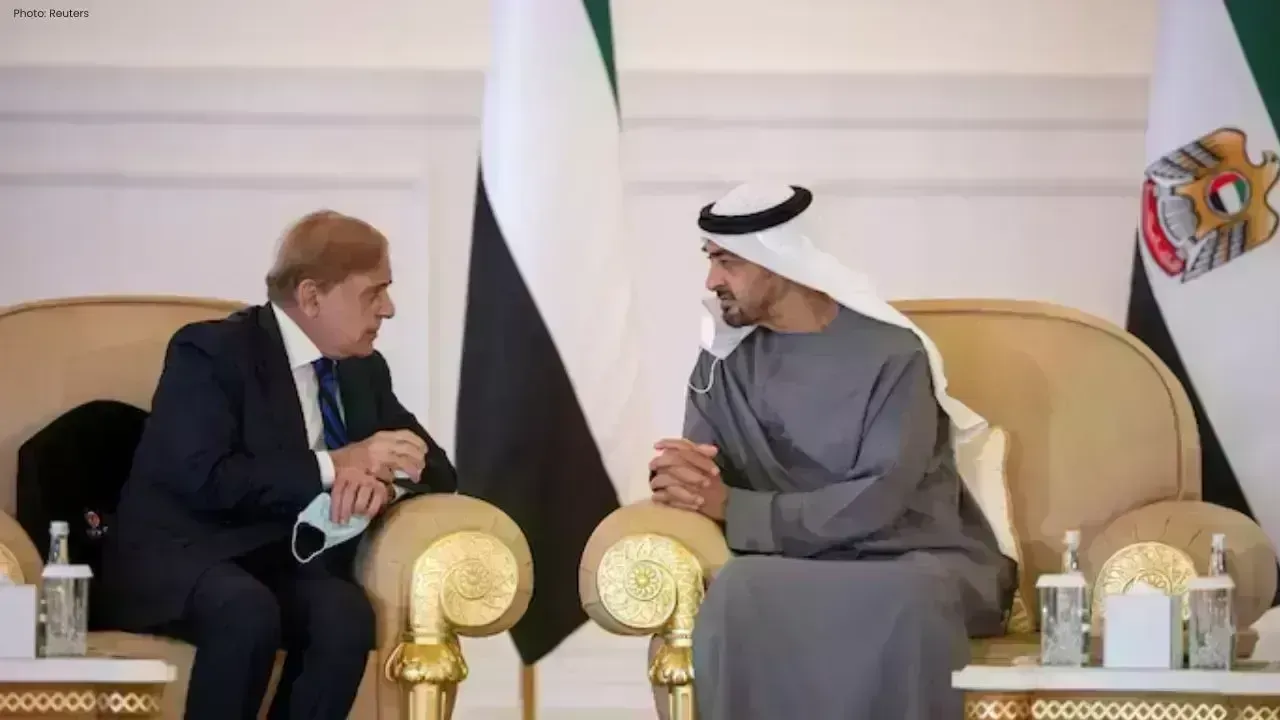
In a pivotal fiscal maneuver, Pakistan is set to pay off its total $3.5 billion debt to the United Arab Emirates (UAE) within this month. This decision is a notable departure from Islamabad’s traditional practice of relying on loan rollovers from its Gulf partners.
As per high-ranking officials from Pakistan’s Finance Ministry, the change follows the UAE's recent pivot in its lending policies, offering only short-term, month-to-month rollovers instead of longer extensions. This shift introduced a level of uncertainty and heightened financial anxiety for Pakistan.
Reasons Behind Pakistan’s Decision
The repayment strategy addresses several pressing economic issues:
1. Enhancing Financial Credibility
Pakistan aims to bolster its standing with global lenders, such as the IMF and in international markets. Ending the endless cycle of borrowing extensions marks a move toward improved financial discipline.
2. Mitigating Default Risk
The reliance on monthly rollovers posed a significant existential risk. A refusal from the UAE to extend the loan could have triggered an immediate crisis in balance-of-payments.
3. Transitioning to Investment
Officials suggest talks are underway to redirect a portion of the repaid sum into direct investments, particularly in the energy and infrastructure sectors. This signifies a shift from dependency on loans towards more sustainable economic partnerships.
Clearing a 30-Year Debt
Notably, this repayment covers a $450 million loan amassed in 1996–97. Initially granted for just a year, it has been renewed multiple times over the decades.
Sources from the Finance Ministry indicate that this segment will be settled as soon as next week. Clearing this long-standing obligation is viewed as a symbolic demonstration of Pakistan's commitment to financial reform.
UAE’s Shifting Financial Policies
The UAE's stricter lending protocol is partially a reflection of its own financial goals. The nation is currently grappling with increased regional tensions and higher defense expenditures amid continuous unrest in West Asia.
Analysts argue that Abu Dhabi is adopting a more cautious approach towards external financial engagements, prompting Pakistan to expedite its decisions.
Pakistan’s initiative to repay the UAE debt signifies a defining moment in its economic strategy. By moving away from perpetual borrowing and prioritizing credibility and investments, the nation seeks to stabilize its economic position and restore global confidence.


 English