Post by : Saif
Al-Najjar
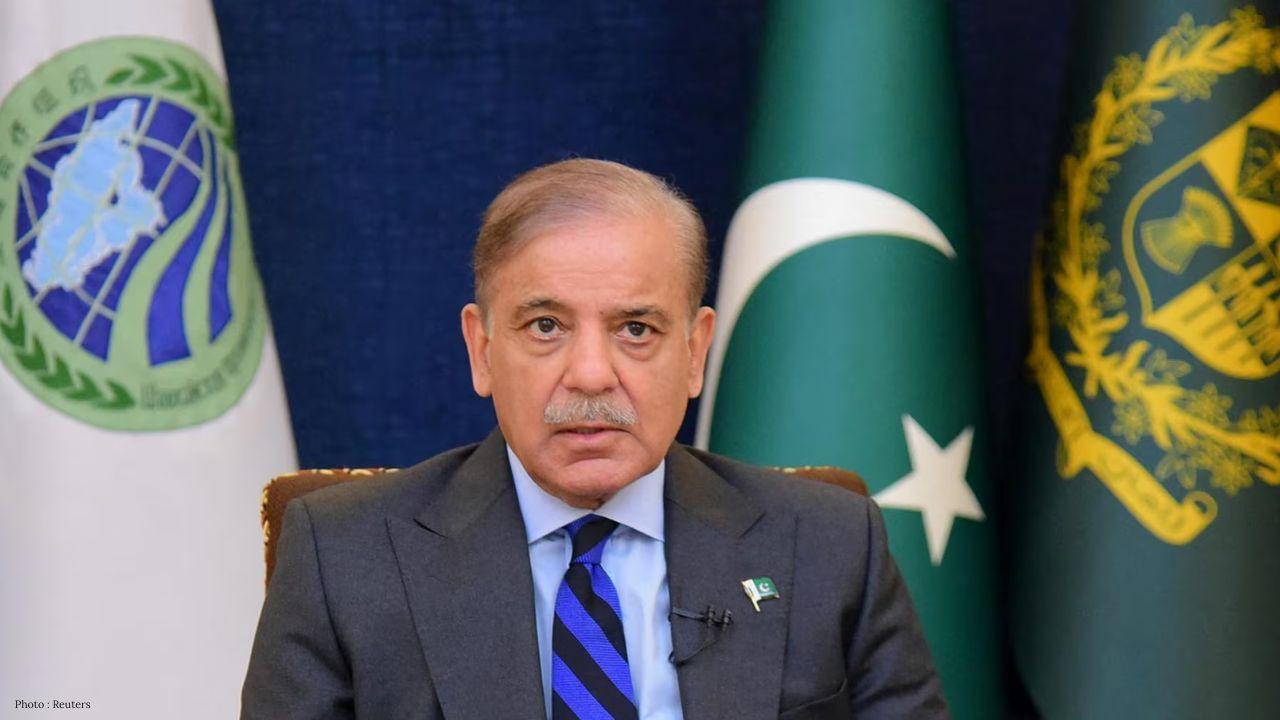
Pakistan’s Prime Minister has commenced a four-day official visit to China, focusing on enhancing economic ties, fostering regional collaboration, and reinforcing the longstanding relationship between the two nations. This trip is particularly significant as Islamabad seeks to attract increased financial backing and investment to bolster its economy.
High-level discussions are on the agenda, including the exploration of infrastructure initiatives, industrial alliances, security concerns, and the future of developmental projects under the China-Pakistan Economic Corridor (CPEC).
The diplomatic engagement underscores the critical nature of the Beijing-Islamabad relationship, which has flourished over many years. Leaders from both countries frequently characterize their partnership as a deep-seated friendship founded on mutual benefit and shared strategic objectives.
A primary goal of the visit revolves around economic growth. Pakistan grapples with inflation, surging debt levels, currency fluctuations, and sluggish industrial progress. Officials are hopeful that bolstered cooperation with China will enhance investment and aid recovery initiatives.
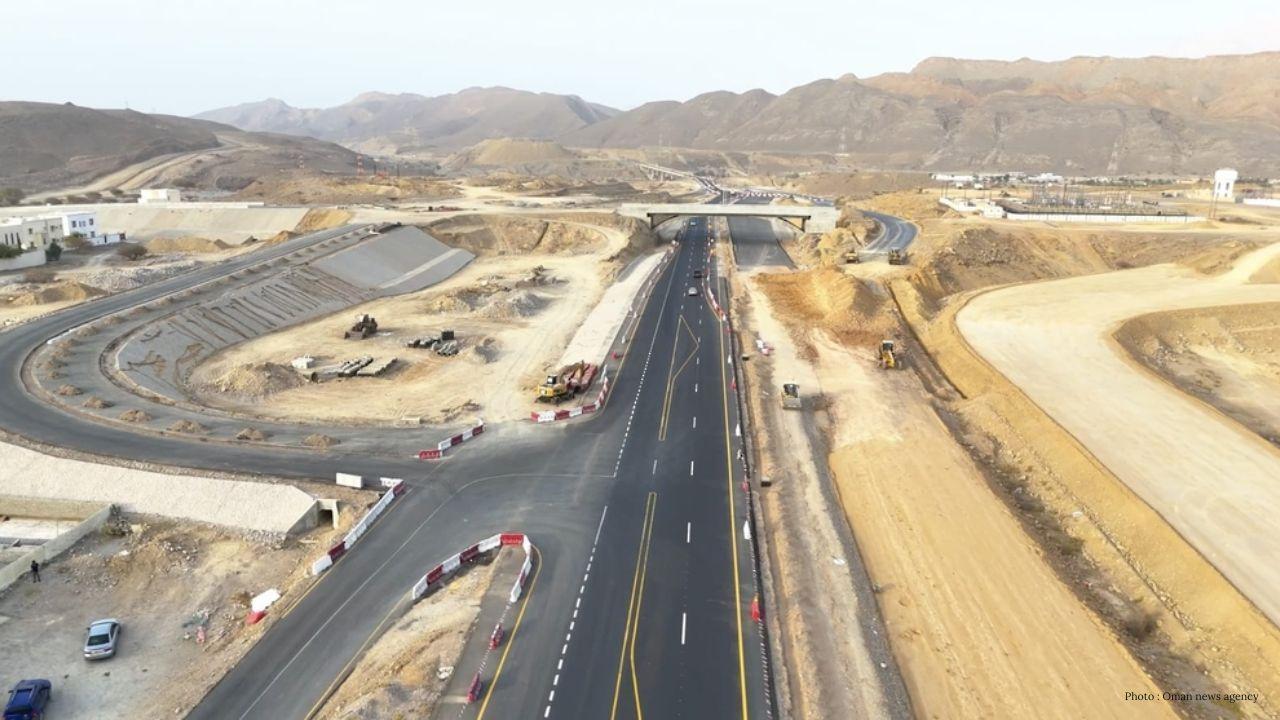
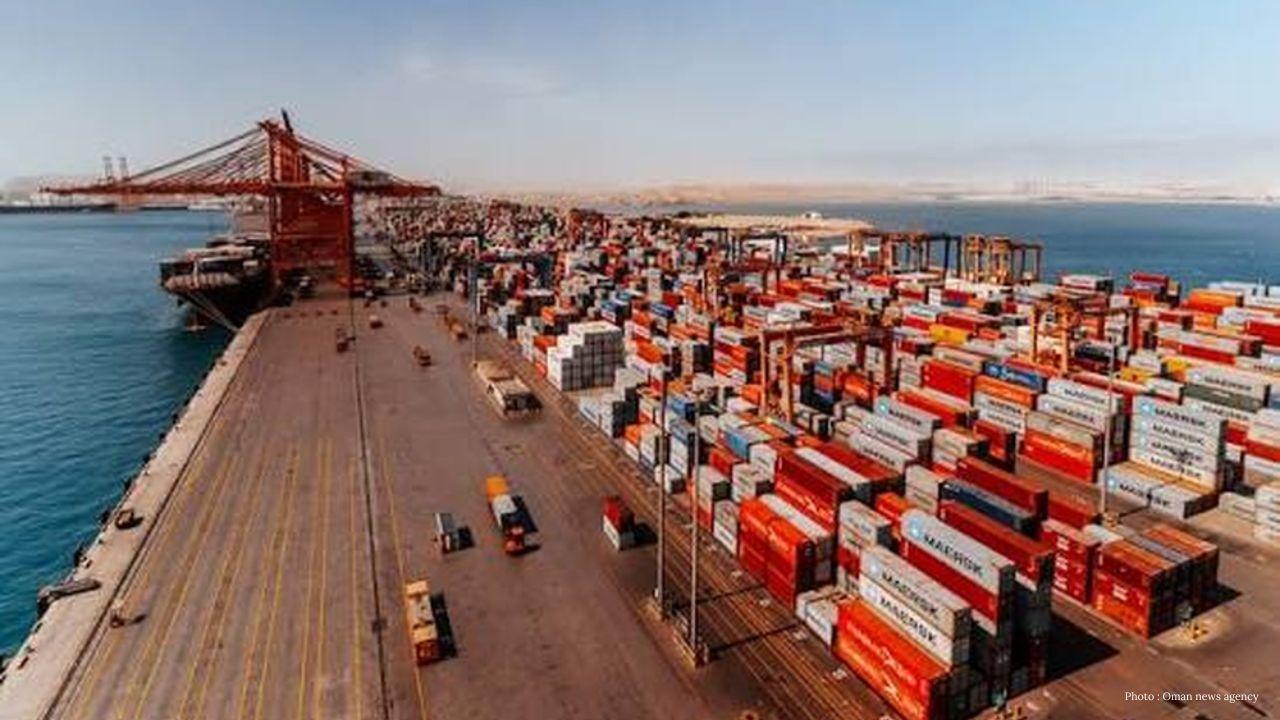
Chinese investments have significantly contributed to the advancement of Pakistan’s infrastructure in recent years, with numerous projects in road construction, energy generation, and industrial development arising from the CPEC.
CPEC advocates assert that this initiative has improved transport systems, boosted electricity supply, and enhanced regional interconnectivity in Pakistan. Business sectors also contend that upgraded infrastructure can create job opportunities and expand trade.
Nonetheless, financial analysts caution against the complications tied to managing debts and ensuring long-term economic viability linked with substantial infrastructure engagements. Experts emphasize that any forthcoming agreements should judiciously weigh developmental ambitions against fiscal soundness.
Security-related themes are also slated for discussion, as China continues to express its apprehensions regarding the safety of its workforce and investments within Pakistan. Continued collaboration on counterterrorism and safeguarding strategic assets remains pivotal for both parties.
This visit occurs at a pivotal junction in Asian politics, highlighting South Asia's significance for international commerce, geopolitical rivalry, and economic growth. Consequently, the cooperative dynamics between China and Pakistan attract global scrutiny from governments and analysts alike.
Observers expect topics such as agriculture, technological exchange, renewable energy, and manufacturing collaborations to be part of the agenda, reflecting China's growing engagement in these areas with its allies.
The business sphere in Pakistan is keenly awaiting the visit's outcomes, with many hoping for new trade agreements, investment commitments, and enhanced market access that could benefit local industries and job creation.
As a key economic ally, China remains a vital source of foreign investment for Pakistan. Beijing's backing has historically been essential for Islamabad's infrastructure development strategies.
Diplomatic visits of this caliber serve not just to finalize economic accords but to fortify political trust and cultivate strategic insights between governments. Such meetings also facilitate the review of regional events and alignment on international matters.
Experts suggest that while heightened economic cooperation can assist Pakistan in alleviating some financial stress, enduring growth hinges on internal reforms and stable economic policies.
For China, nurturing robust relations with Pakistan is imperative for regional connectivity and broader strategic ambitions across Asia. Pakistan's geographical significance enhances its role in trade and logistics linked to the Belt and Road Initiative.
Thus, this visit represents much more than mere bilateral diplomacy. It encapsulates broader endeavors by both nations to deepen economic collaboration, assert regional presence, and maintain a strategic alliance amid global unpredictability.
Within Pakistan, public interest remains keen on the potential investment pledges or major infrastructure announcements resulting from these discussions. As citizens face economic strains, they look to these international collaborations for improvement in job prospects and living conditions.
As negotiations progress in Beijing, both sides' leaders are expected to underscore themes of camaraderie, joint efforts, and developmental aspirations. The outcomes of this extensive visit are poised to influence Pakistan-China relations for the foreseeable future.


 English