Post by : Shweta
Recent discussions indicate that the Canadian federal government and Alberta are on the verge of a significant agreement concerning industrial carbon pricing, a move that could transform the nation’s energy and climate policies for years to come. Reports suggest that this new deal aims to elevate Alberta's industrial carbon price to $130 per tonne by 2040, slower than Canada's previous climate targets.
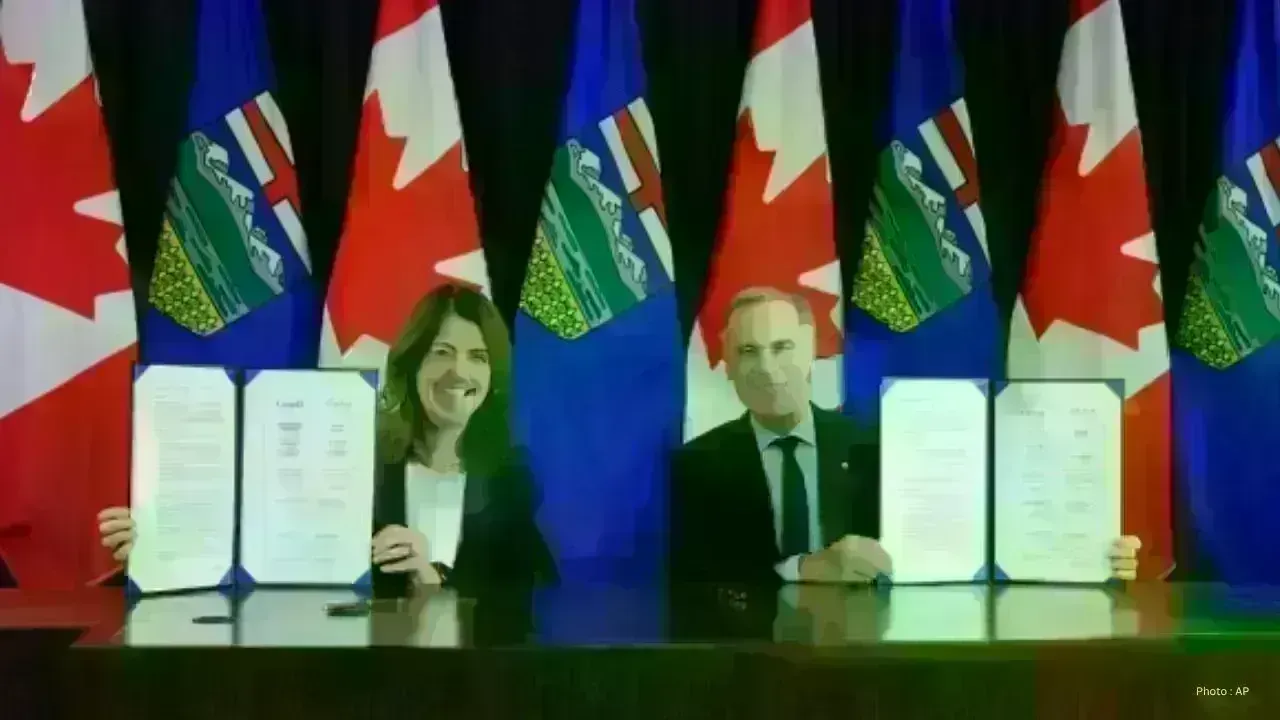
Sources close to the talks mentioned that Prime Minister Mark Carney is anticipated to visit Calgary for an official announcement alongside Alberta Premier Danielle Smith. This negotiation is perceived as a tactical compromise between Ottawa’s environmental aims and the concerns of Alberta’s oil and gas sector.
As per the proposed changes, Alberta's current industrial carbon pricing, set at approximately C$95 per tonne, would rise to C$100 next year. The price would gradually increase, eventually hitting C$130 per tonne by 2040, followed by an annual rise of around 1.5 percent. Industry insiders and provincial officials argue that a more measured ascension in rates will allow Canadian energy companies to stay competitive globally, while still motivating long-term emissions reductions.
This agreement comes after Alberta put a pause on its industrial carbon pricing in 2025. Experts have since cautioned that the market price for industrial carbon credits has fallen to levels that fail to inspire investment in cleaner technologies. Current carbon credits in Alberta are said to trade between C$20 and C$40 per tonne, significantly short of the figures many climate experts believe are required for substantial emissions reductions.
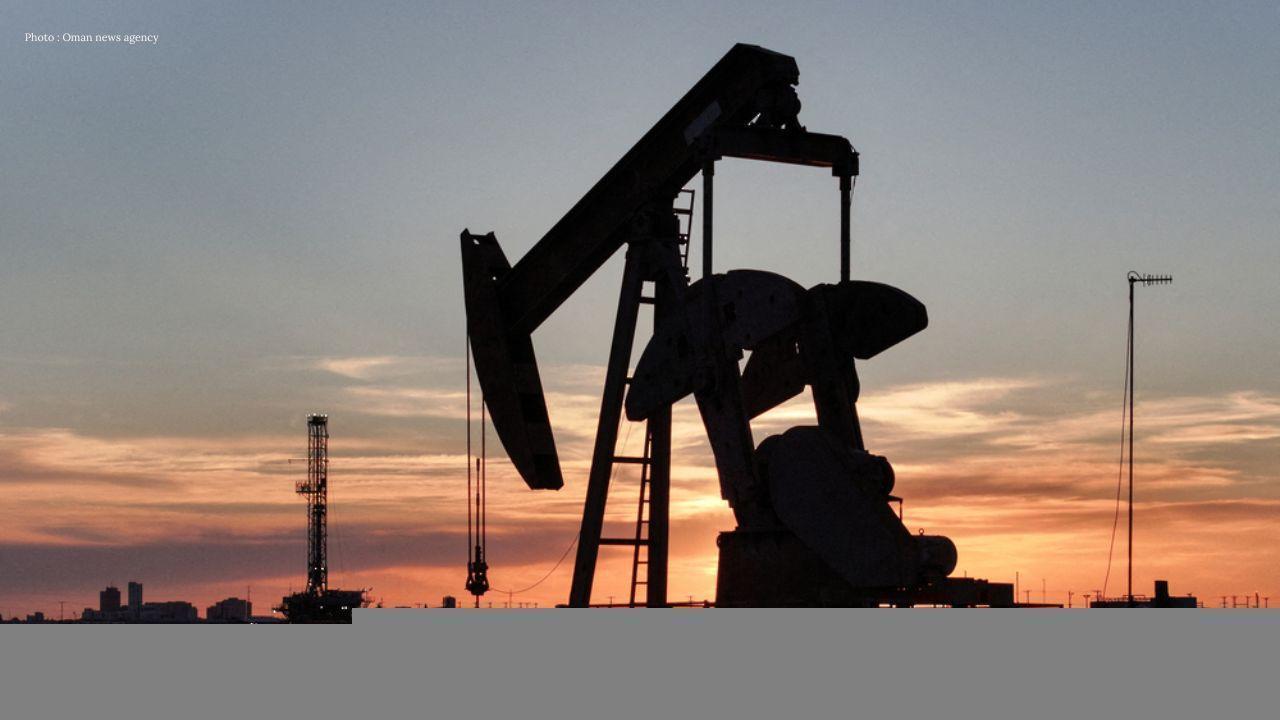
Federal authorities are optimistic that this new agreement could also facilitate the progress of major energy infrastructure initiatives, including Alberta's proposed crude oil pipeline to British Columbia's northwest coast. Ottawa has previously stated that the approval of significant pipeline expansions will likely hinge on energy companies’ commitment to more robust carbon reduction strategies like carbon capture and storage.
Nonetheless, environmental activists have voiced criticism regarding the slow timeline, as they had advocated for reaching the C$130-per-tonne target by 2030 instead of 2040. Critics contend that postponing stronger carbon pricing undermines Canada’s climate objectives and diminishes the urgency for major polluters to reduce emissions swiftly.
This proposed agreement has ignited discussions on social media, with numerous Canadians expressing doubts about whether too many concessions have been made to Alberta’s oil sector. Some argue that the gradual increase could hinder substantial climate action, while others see the compromise as essential for safeguarding jobs, investment, and Canada’s energy exports amid fluctuating global economic conditions.
According to political analysts, these negotiations highlight the challenging equilibrium Ottawa seeks between environmental policy and economic expansion. As Canada’s largest oil-producing province, Alberta has been at the center of tensions regarding carbon pricing that have historically strained relations between federal and provincial governments. The Carney administration seems determined to strike a middle ground that fosters industrial development while adhering to a long-term emissions reduction framework.
If realized, this agreement could stand as one of the most critical climate-policy negotiations in Canada since the initial introduction of the federal carbon pricing system. However, environmental groups, industry figures, and provincial governments are likely to remain engaged in dialogue over whether the plan adequately addresses both economic growth and urgent climate challenges.


 English