Post by : Abhinav
Rana
Photo : X / The Straits Times
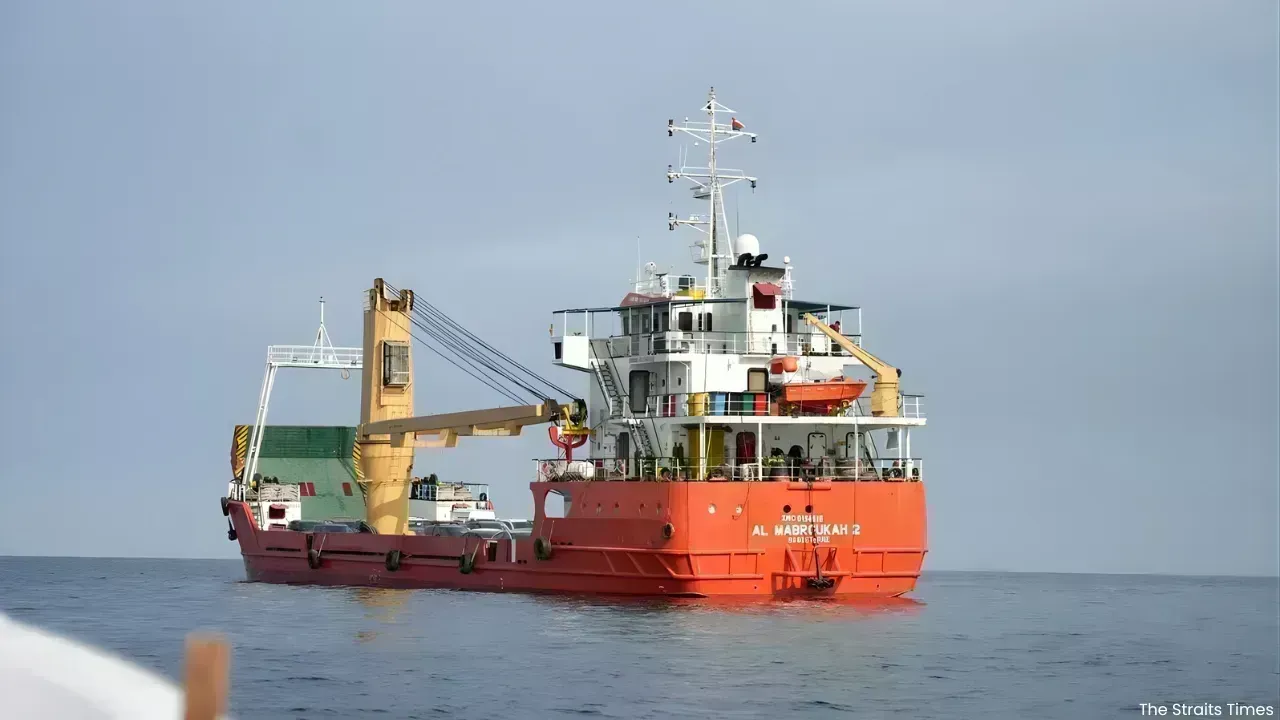
A dramatic escalation in the Iran conflict has taken a decisive turn as the United States initiates a strategic blockade of Iranian ports, triggering immediate reactions across global shipping and energy markets. While military maneuvers in the Gulf are not new, this latest development stands out for its scale and timing—coming at a moment when global trade networks are already under pressure. The move has sent shockwaves through the maritime industry, forcing shipping operators, insurers, and logistics planners to recalibrate risk assessments overnight, even as oil markets show unexpected signs of calm.
The blockade is being viewed as a calculated attempt to restrict Iran’s oil exports and apply economic pressure without direct large-scale confrontation. By targeting key ports and shipping routes, the United States aims to disrupt supply chains that are critical to Iran’s economic stability. This tactic underscores a broader shift toward maritime dominance as a geopolitical tool, where control over sea lanes translates directly into economic leverage.
However, such measures also carry inherent risks. The Gulf region, particularly the Strait of Hormuz, remains one of the world’s most sensitive maritime chokepoints. Any disruption here can have cascading effects across global energy supply chains, making the blockade not just a regional issue but a global concern with far-reaching implications for trade and transportation systems.
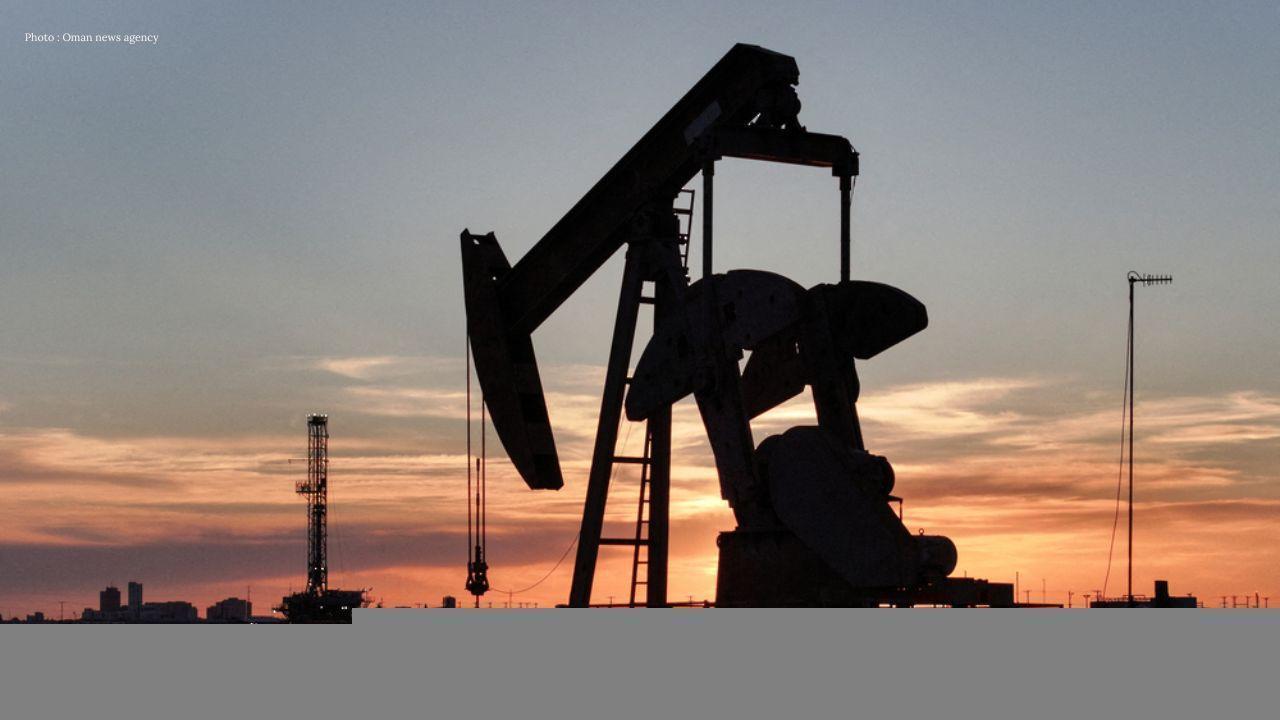
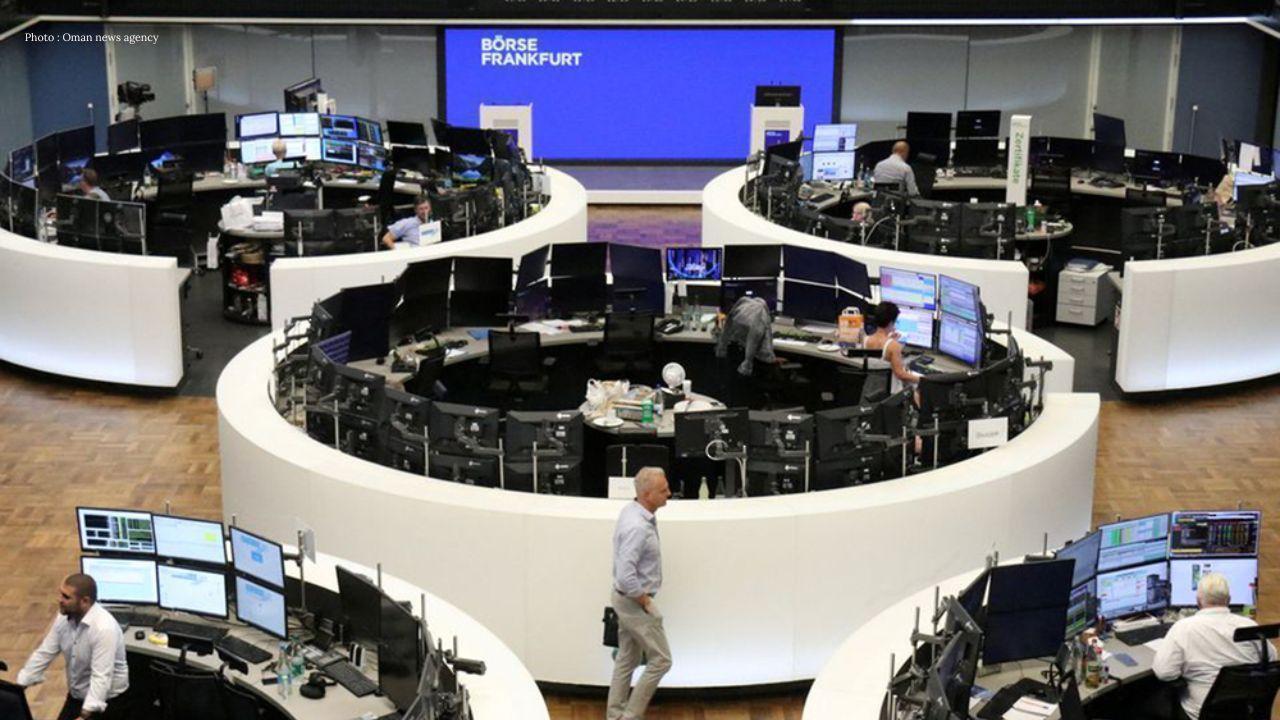
In a surprising twist, global oil prices have shown signs of easing despite the escalation, reflecting cautious optimism among investors that diplomatic channels may still prevail. This reaction suggests that markets are not yet pricing in a prolonged conflict but are instead anticipating negotiations that could de-escalate tensions.
For the transportation sector, this development offers a temporary cushion. Lower fuel costs can ease operational burdens for airlines, shipping companies, and logistics providers. Yet, the underlying uncertainty continues to loom large, as any further escalation could quickly reverse this trend and push costs sharply higher.
The immediate impact of the blockade is being felt most acutely in maritime logistics. Shipping companies are already exploring alternative routes, increasing transit times and operational costs. Insurance premiums for vessels operating in the region are expected to rise significantly, reflecting heightened risk levels.
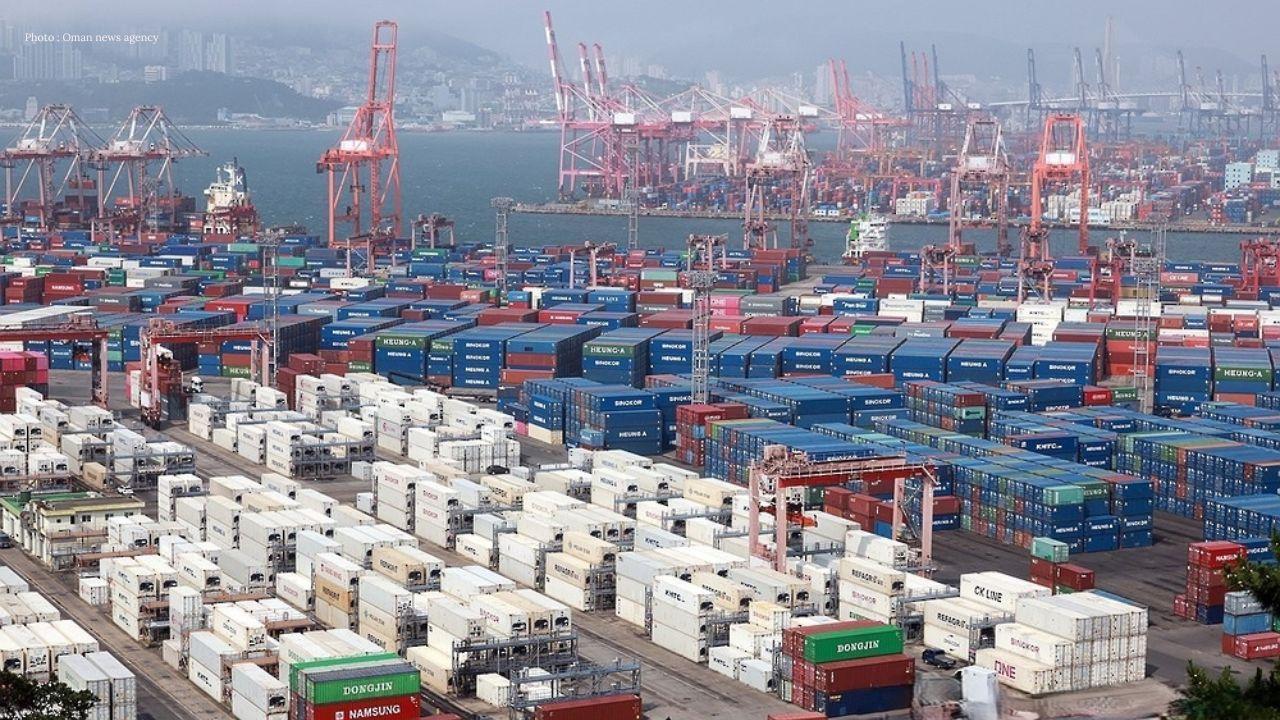
For global supply chains, the consequences extend beyond delays. Industries reliant on timely deliveries ranging from manufacturing to automotive sectors could face disruptions that ripple across production cycles. Ports outside the conflict zone may also experience congestion as traffic patterns shift, further complicating logistics planning.
The aviation sector is not immune either. Airspace restrictions and heightened security concerns in the region could lead to rerouted flights, increased fuel consumption, and longer travel times, adding another layer of complexity to global transportation networks.
At its core, the blockade reflects a broader geopolitical contest over influence and stability in the Middle East. While the move signals a hardline approach, the simultaneous easing of oil prices indicates that diplomatic efforts are still in play behind the scenes. This dual dynamic military pressure combined with negotiation signals creates a highly unpredictable environment for global stakeholders.
The situation also highlights the growing importance of maritime strategy in modern geopolitics. As global trade continues to rely heavily on sea routes, control over these pathways is becoming a defining factor in international relations. The Iran blockade serves as a stark reminder of how quickly geopolitical tensions can translate into economic and logistical challenges.
As the situation unfolds, the world finds itself at a critical juncture where decisions made in the coming weeks could reshape the future of global trade and transportation. If dialogue prevails, the blockade could become a short-lived episode that reinforces the importance of diplomacy. If not, the industry may have to brace for a prolonged period of disruption, marked by volatile markets and shifting trade routes.
For the transportation and logistics sectors, adaptability will be key. Companies that can quickly adjust to changing conditions, diversify routes, and manage risk effectively will be better positioned to navigate this uncertainty. In the end, this moment is more than a geopolitical flashpoint, it is a powerful reminder that in an interconnected world, the movement of goods, energy, and people is inseparably linked to the dynamics of global power.


 English