Post by : Saif
Al-Najjar
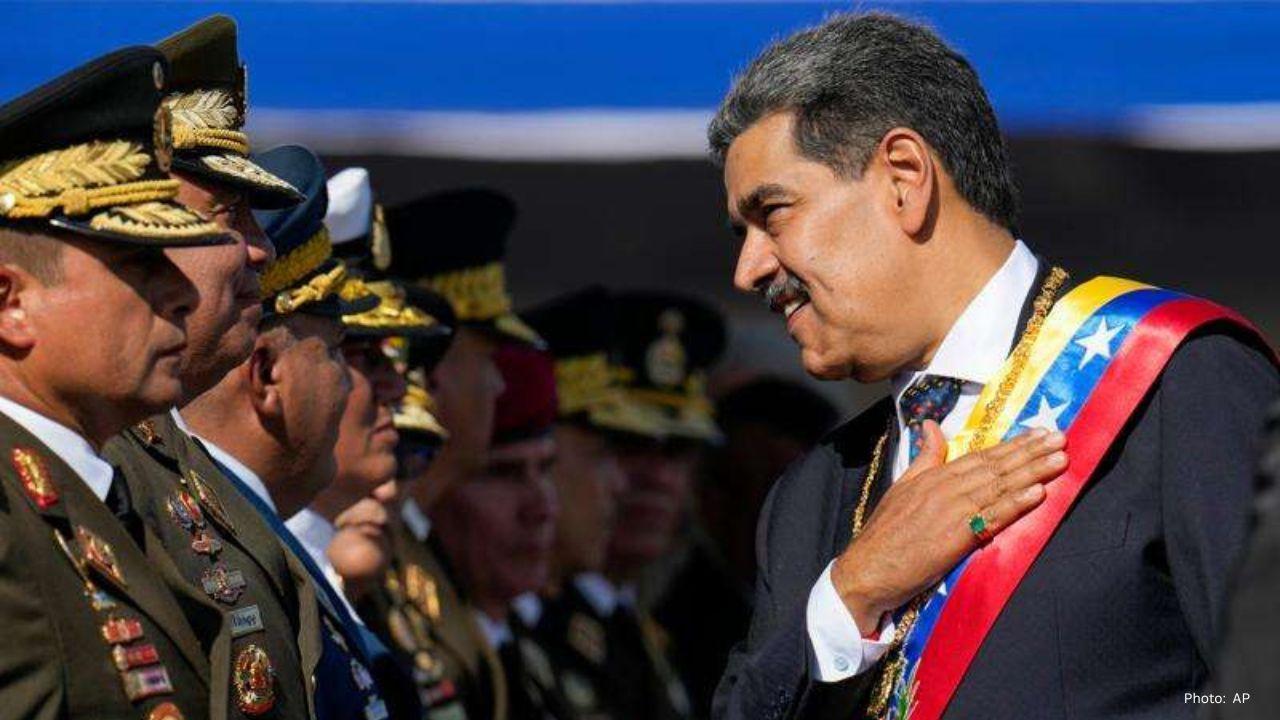
The former Venezuelan leader, Nicolás Maduro, will make his debut in a U.S. courtroom this Monday. He faces grave accusations of drug trafficking and narco-terrorism, marking a significant chapter in U.S.-Venezuela relations and international politics.
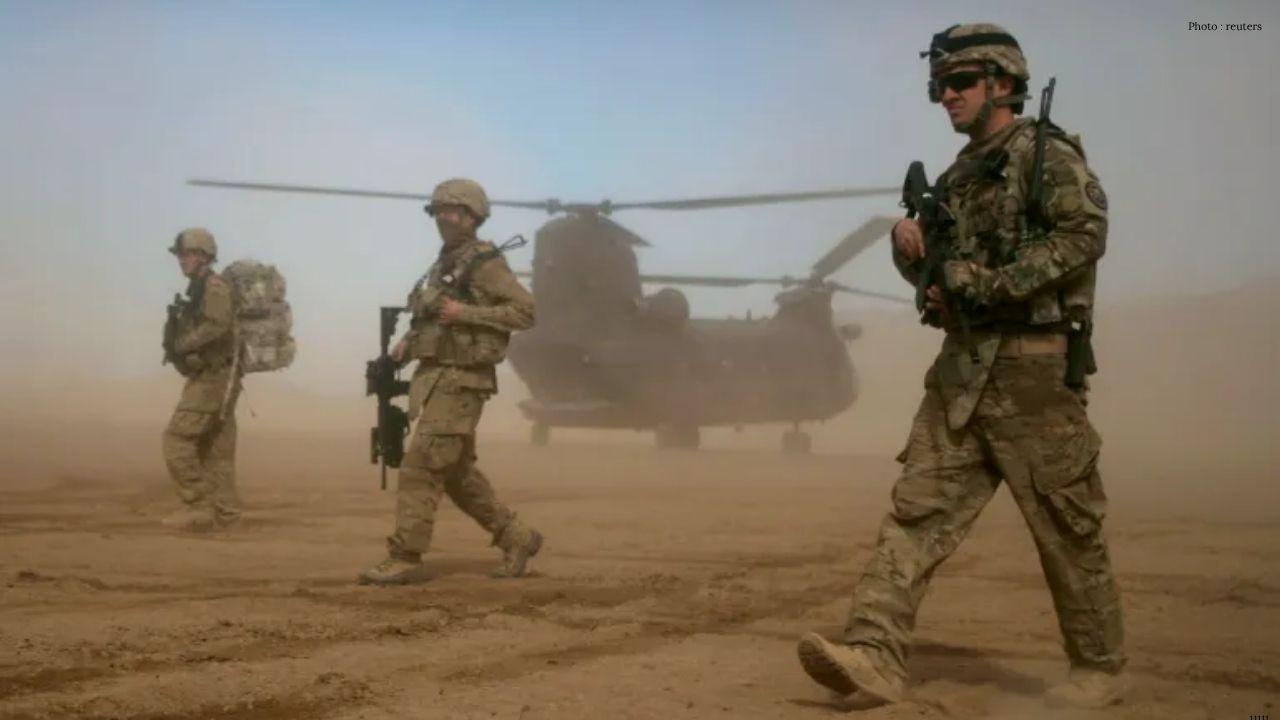
Maduro was apprehended during a U.S. military operation and transported to New York alongside his spouse. He is currently detained in a Brooklyn federal facility. On Monday afternoon, both will be brought to a Manhattan courthouse for a crucial legal session. This appearance initiates a potentially lengthy legal journey.
The U.S. government claims Maduro orchestrated a network collaborating with drug cartels to funnel substantial quantities of cocaine into the U.S. These charges, first unveiled years ago, saw Maduro evading U.S. jurisdiction while retaining power in Venezuela.
As a defendant, Maduro will enjoy the same legal protections granted to any accused individual, including the right to representation, the ability to contest the allegations, and access to a jury trial. Should the proceedings advance, a jury of New Yorkers could ultimately determine his future.
Nonetheless, the complexities of Maduro's case are notable. His legal team is anticipated to assert that he cannot be tried in the U.S. due to his position as a sitting head of state, arguing legal immunity under international law.
Conversely, the U.S. government firmly disputes this stance, as it does not recognize Maduro as the legitimate president following his contested re-election in 2024, asserting that he is subject to prosecution like any other defendant.
A historical parallel can be drawn with Manuel Noriega, Panama's former leader, who claimed similar immunity after U.S. capture in 1990; this defense was dismissed by U.S. courts, resulting in his conviction on drug-related charges. This precedent may be influential for judges addressing Maduro's defense.
In Venezuela, reactions have been mixed. While some view this as a beacon of hope for change after prolonged economic struggles and political turmoil, others express anxiety regarding the nation's future.
Maduro's court appearance transcends legal proceedings; it stands as a testament to the extent the U.S. will go in seeking accountability from foreign leaders accused of serious violations. The outcome could reshape international legal discourse and the framework for holding global leaders accountable.
All attention now turns to the New York courtroom, where a former head of state will confront justice not as a ruler, but as an individual charged with crimes.


 English