Post by : Shweta
Munikh Observatory Preserves Saudi Arabia’s Najdi Heritage
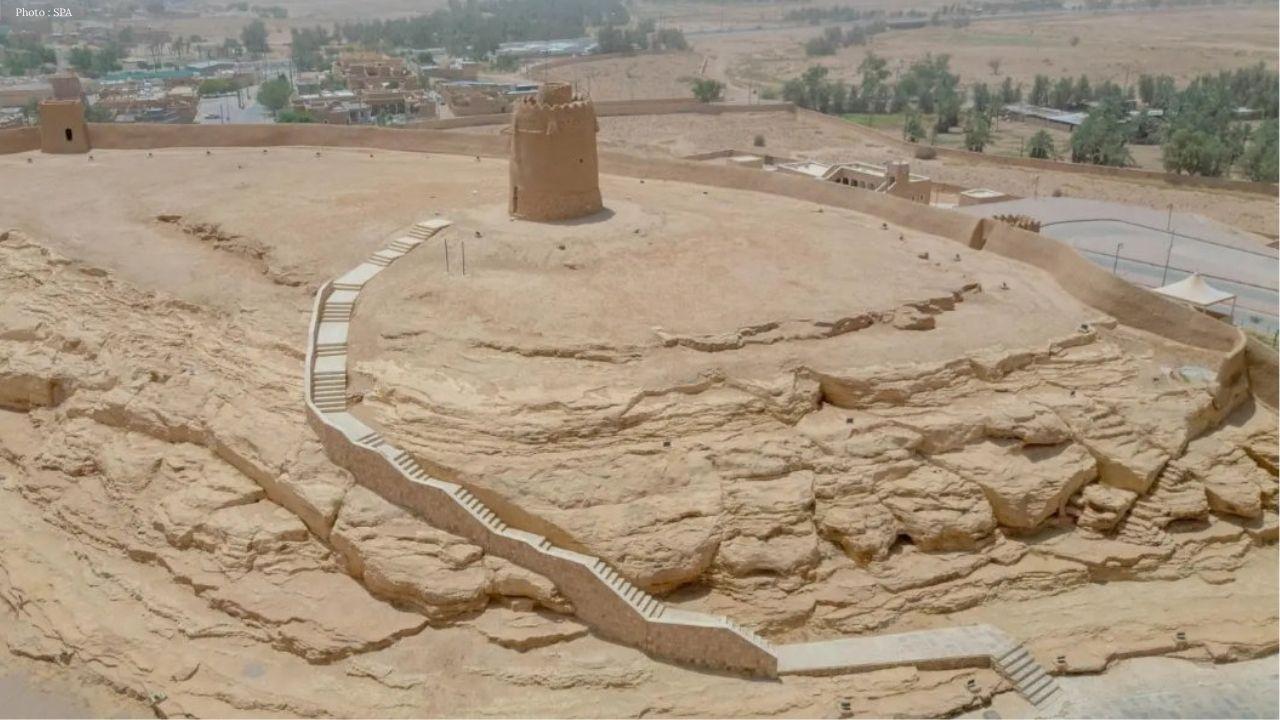
Perched on Mount Munikh west of Al-Majmaah, the historic Munikh Observatory stands as a remarkable example of traditional Najdi architecture and defensive engineering. The elevated site once served as an important observation post overlooking the settlement and surrounding agricultural areas. Today, the restored landmark has been transformed into a cultural destination where visitors can explore the history, architecture and traditions of the region.
A Historic Watchtower Overlooking Al-Majmaah
Rising about 25 metres above the mountain, the Munikh watchtower provides wide views across Al-Majmaah and nearby farms. Its strategic location allowed guards to monitor approaches to the settlement through narrow openings built into its thick walls. Historical references associate the name Munikh with an ancient town near the mountain, while local traditions date the origins of the site to the 15th century.
Read more : 9/11 at 25: America Remembers Nearly 3,000 Lives
Traditional Najdi Architecture Built for Defence
The observatory was traditionally known as a marqab, meaning an observation or lookout post. It formed part of a wider defensive system surrounding Al-Majmaah. A historic stone wall once followed the natural ridges of the mountain and included three defensive bastions. The surviving structure features thick stone foundations, narrow firing openings and architectural elements designed for surveillance and protection.
Local Materials Shaped the Historic Structure
The main structure consists of two cylindrical towers, one positioned inside the other, with the structure rising about 12 metres. Local stone was used in the lower sections, while mud brick formed the upper levels. Tamarisk wood was used for ceilings and lintels, reflecting the way traditional Najdi builders adapted locally available materials to the region’s climate and landscape.
Defensive Features Reveal Its Strategic Importance
Five projecting defensive balconies strengthened the observatory, with four positioned to protect its sides and another covering the main entrance. Traditional Najdi crenellations crown the towers, while specialised openings allowed guards to observe the surrounding landscape. The site also functioned as an early-warning post, with night-fire beacons reportedly used to signal approaching danger.
From Military Outpost to Cultural Destination
Following the unification of Saudi Arabia, the mountain’s strategic position continued to have practical importance. Its elevated location was used to monitor trade caravans, seasonal floods and pilgrim routes. Mount Munikh lies in the historic Sudair region of the Najd plateau, around 180 kilometres northwest of Riyadh, and Al-Majmaah was historically known as “Baldat Munikh,” reflecting the mountain’s importance to the settlement.
Restoration Opens Munikh’s History to Visitors
Saudi Arabia’s Heritage Commission has restored the observatory and surviving sections of its fortified walls while improving access through visitor paths, stone staircases and lighting. A visitor centre now introduces guests to the history of Al-Majmaah, Mount Munikh and the watchtower through bilingual interactive exhibits and guided stations. What was once a military lookout has now become a year-round heritage destination connecting visitors with the architecture, landscape and traditions that shaped the region’s past.


 English