Post by : Shweta
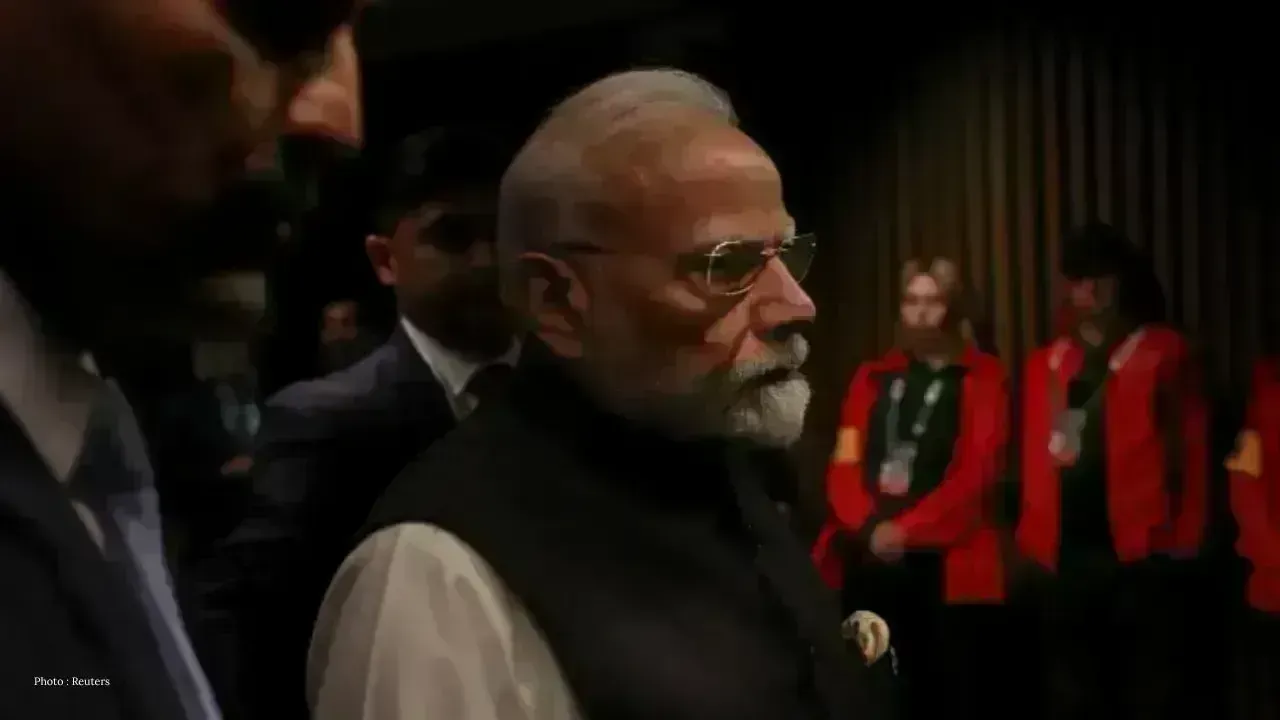
The diplomatic initiative led by Indian Prime Minister Narendra Modi aimed at isolating Pakistan is reportedly witnessing setbacks as numerous nations continue to bolster ties with Islamabad. The complexities surrounding this issue have intensified in light of heightened regional tensions between the neighboring states.
Over the past few years, India has sought to internationally portray Pakistan as a nation associated with instability and security issues. This strategy gained momentum in response to cross-border conflict, terrorism allegations, and disputes regarding Kashmir. Indian diplomats have worked closely with Western nations and international agencies to curb Pakistan’s global sway and diminish external support.
Nevertheless, recent developments indicate that this approach may not be entirely effective. Countries such as China, Turkey, Saudi Arabia, and several Gulf nations are deepening their connections with Pakistan through trade, defense collaboration, and investment. Analysts believe that Pakistan's military significance, economic links, and strategic location have prevented it from facing complete diplomatic isolation despite India's ongoing efforts.
Particularly, China remains Pakistan's most significant ally through the China-Pakistan Economic Corridor (CPEC), which forms part of the Belt and Road Initiative. This substantial infrastructure investment has enhanced economic collaboration between the two nations and underscored Pakistan's role in vital trade channels. Chinese leadership continues to back Pakistan on critical regional issues, posing challenges to India’s diplomatic aspirations.
Simultaneously, Pakistan has fortified its relationships with Gulf states through expanded defense cooperation and economic agreements. Investments from Saudi Arabia and the UAE are continuing, while Turkey has shown political support for Islamabad on various fronts. Experts suggest that these ties have mitigated the effectiveness of India's strategy to isolate Pakistan on the global stage.
Recent international dialogues indicate that many countries still recognize Pakistan as a key player in South Asia, particularly concerning Afghanistan and counterterrorism. Western governments, including the U.S., maintain their channels of communication with Pakistani military and political entities due to shared strategic interests in South Asia and the Middle East.
Political analysts note that India’s assertive stance against Pakistan might be contributing to increased regional polarization rather than fostering international unity. Some experts argue that aggressive diplomatic messaging has inadvertently led neutral countries to adopt a non-aligned position. Others contend that global powers prioritize economic and strategic interests over endorsing a singular narrative in the region.
In spite of these difficulties, India continues to emerge as one of the world’s rapidly growing economies, strengthening its alliances with nations such as the U.S., European states, Japan, and allies in the Indo-Pacific. Modi's administration is working to augment India's global standing through trade agreements and defense collaborations.
The ongoing discourse highlights the intricate dynamics of South Asian geopolitics, where countries navigate economic, security, and diplomatic challenges simultaneously. While India strives to exert pressure on Pakistan at an international level, Islamabad's established partnerships with influential regional players have rendered total isolation a daunting task.
The topic will likely persist as a significant geopolitical consideration as both nations vie for influence within South Asia and on the international diplomatic scene.


 English