Post by : Shweta
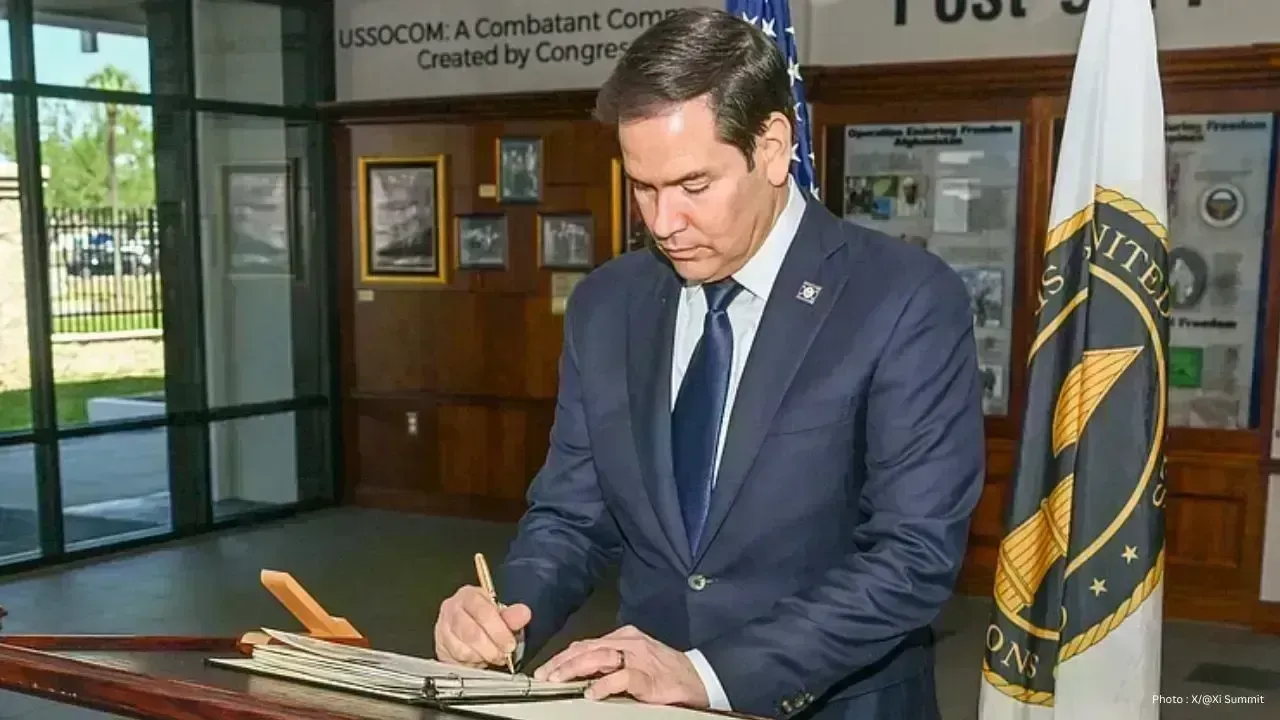
With the upcoming summit between U.S. President Donald Trump and Chinese President Xi Jinping on the horizon, Senator Marco Rubio's firm stance regarding China is back in the limelight. As dialogue resumes between Washington and Beijing, Rubio's insights on trade, security, technology, and human rights are once more playing a critical role in the broader discussion regarding America's strategy towards China.
Rubio has long positioned himself as a staunch critic of the Chinese regime. The senator from Florida has consistently raised alarms about China’s expanding global footprint, military growth, technological aspirations, and its involvement in alleged interference operations. He has advocated for stricter economic measures, stronger security collaborations in Asia, and decisive actions against Chinese businesses in critical sectors.
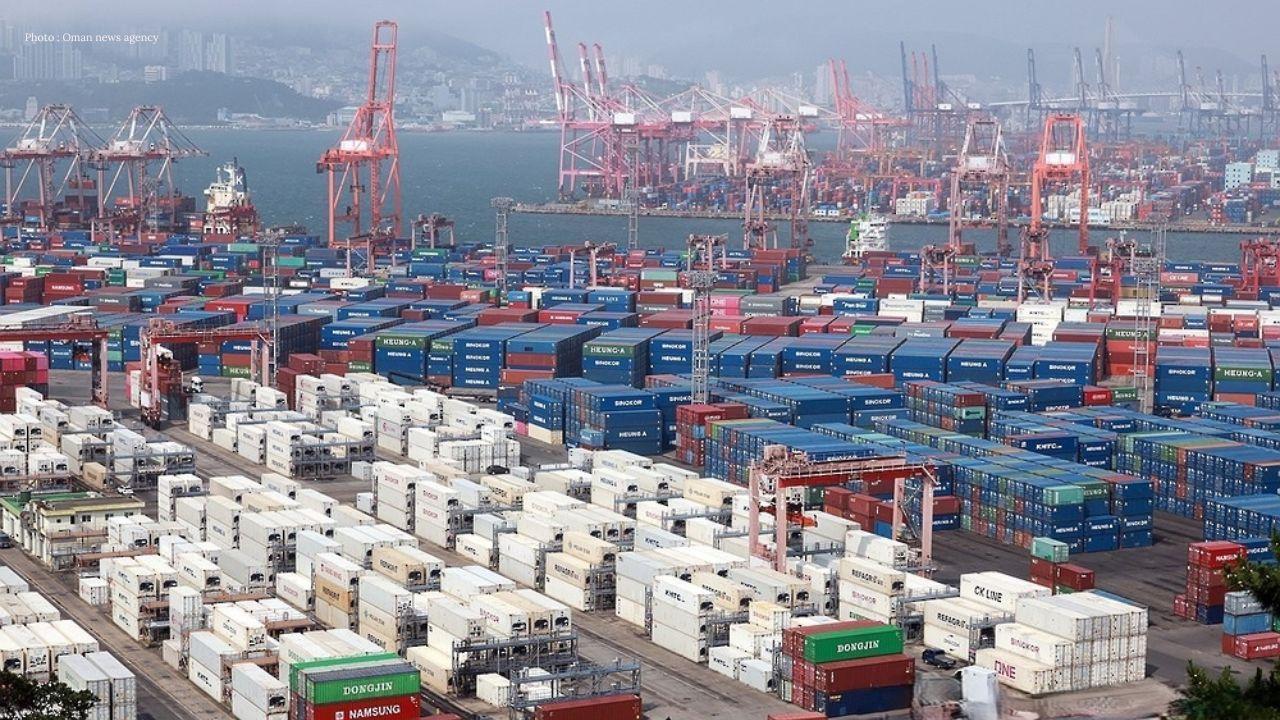
This renewed emphasis coincides with the discussions set to take place between Trump and Xi, expected to address trade issues, tariffs, Taiwan, cybersecurity, artificial intelligence, and the intricacies of global supply chains. Analysts suggest that Rubio's uncompromising stance mirrors a growing bipartisan sentiment in Washington, where an increasing number of lawmakers view China as the primary strategic adversary for the U.S.
Rubio’s focus remains especially sharp on technology and national security. Over recent years, he has actively supported placing constraints on Chinese tech firms, lobbying for stricter regulations on semiconductor exports, telecommunications hardware, and AI collaborations. He underscores that China's technological advancements pose a potential threat to both American economic and military dominance.
Human rights have also been a cornerstone of Rubio’s stance towards China. He has continually voiced criticism of Beijing over matters relating to Hong Kong, Xinjiang, censorship, religious freedoms, and persecution of political dissidents. Rubio has previously backed sanctions and legislative measures targeting Chinese officials implicated in human rights violations.
As the Trump-Xi summit nears, it raises questions about the United States' approach towards China—whether it will adopt a more confrontational stance or seek to mitigate economic disputes. Some experts predict that Trump may pursue limited economic collaborations with Beijing to reduce market volatility. However, there’s concern that political dynamics in Washington hinder any significant conciliatory moves towards China.
Rubio’s views typically converge with hawkish national security circles advocating for diminished reliance on Chinese production, arguing for enhanced partnerships with nations like Japan, India, South Korea, and the Philippines. Proponents of this approach contend that China’s growing influence necessitates a comprehensive, long-term competitive strategy rather than short-term diplomatic solutions.
Conversely, critics of an aggressive China policy warn that escalating tensions could harm international trade, raise military threats, and amplify economic uncertainty. U.S. business leaders express ongoing concern regarding tariffs, disruption of supply chains, and the unpredictability surrounding future relations with China.
Rubio's firm stance has frequently riled Chinese officials, who have enacted sanctions against him and other American figures they perceive as meddling in China's domestic matters. Chinese state media often frames Rubio as a prominent adversary of China in Washington.
As global competition intensifies between the U.S. and China—spanning technological, energy, military, and diplomatic domains—both nations strive to bolster alliances and economic ties while vying for supremacy across regions including Asia, Africa, and the Middle East.
Political analysts observe that Rubio's substantial anti-China rhetoric illustrates a significant shift in American political sentiment, where skepticism toward Beijing has rapidly increased among both major parties. Even politicians with differing views on domestic issues often agree on the necessity of stricter trade measures, security initiatives, and technological limitations regarding China.
As the Trump-Xi summit approaches, the emphasis on Rubio underscores how pivotal China policy has become in molding contemporary U.S. foreign relations. Regardless of whether this summit fosters collaboration or intensifies rivalry, discussions on America's strategy towards China are poised to remain a central theme in Washington's political and strategic discourse.


 English