Post by : Shweta
The Liberal government of Canada is under scrutiny as opposition parties and advocates for transparency criticize the shift of numerous parliamentary committee meetings to private sessions. In light of mounting pressure, officials from the Liberal party have vowed to foster increased openness and facilitate more public discussions.
The controversy ignited when it was revealed that multiple meetings within the House of Commons had been held away from the public eye during recent parliamentary sessions. Opposition members accused the Liberals of stifling public accountability by minimizing media and citizen access to crucial political dialogues. Critics highlighted the vital role committees play in assessing government actions, examining legislation, and holding ministers and officials accountable, thereby making transparency a key element of democracy.
In Canada, parliamentary committees typically oversee government spending, legislative proposals, national concerns, and public policies. Although some private sessions may be warranted for sensitive topics such as national security or legal matters, opposition parties assert that the Liberal government has increasingly resorted to closed-door discussions for reasons of political expediency rather than necessity.
Members of the Conservative Party have vocally condemned the government, arguing that Canadians are entitled to insights into the decision-making processes occurring within Parliament. Opposition MPs maintain that an excessive number of in-camera sessions erode trust in public institutions and obstruct voters from comprehending how elected officials are addressing significant matters. Concerns about transparency and accountability have also been raised by the New Democratic Party and Bloc Québécois.
In response, Liberals have justified the necessity of some private sessions by emphasizing the involvement of confidential information, procedural elements, or legal advice that can’t be publicly debated. Government representatives contend that committees across various administrations have historically employed closed sessions when deemed essential. Nonetheless, Liberal MPs have acknowledged the public's concerns and indicated a commitment to improving transparency in future engagements.
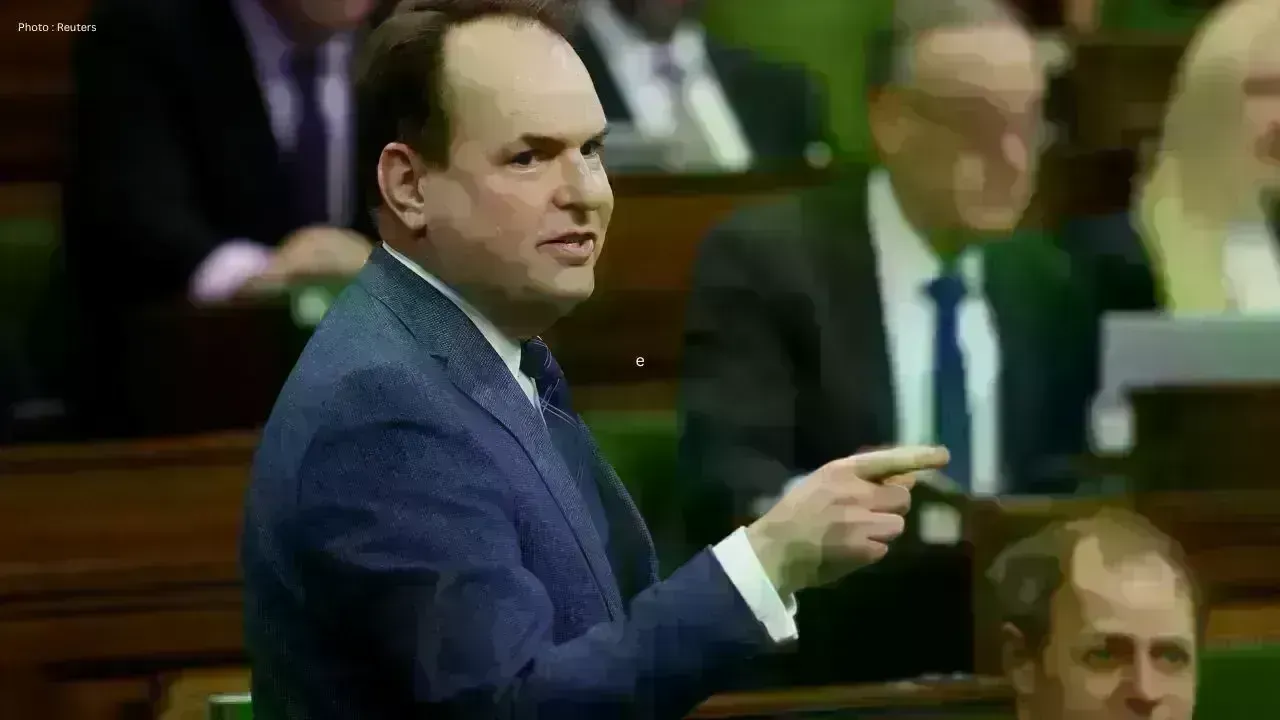
Government House Leader Steven MacKinnon stated that the Liberal party endorses the notion of open parliamentary discussion and recognizes Canadians' expectations for more access to committee work. He emphasized the need for committees to strike a balance between maintaining transparency and safeguarding sensitive information in certain cases.
The topic has gained broader attention as parliamentary committees frequently serve as forums for investigating major political controversies. Over the years, these committees have looked into allegations of election interference, spending controversies, ethics probes, international policy matters, and public safety discussions. Political analysts concur that public participation in such meetings fosters a stronger trust in democratic institutions.
Experts in transparency and parliamentary systems have also contributed insights on the discussion. Some have cautioned that excessive recourse to closed-door meetings might undermine accountability and diminish confidence in Parliament. They argue that Canadians should have opportunities to observe how elected officials interrogate government representatives and address significant national issues whenever feasible.
The Liberals have pledged to collaborate with committee members to ensure that more meetings remain open to the public unless privacy or security concerns necessitate confidentiality. Nevertheless, opposition parties continue to advocate for clearer guidelines and more robust protections against potential abuses of private sessions.
As the debate over parliamentary transparency persists in Ottawa, political factions are gearing up for forthcoming committee investigations and discussions. Many observers anticipate that this issue could serve as a crucial measure of the Liberal government’s dedication to openness and accountability in the approaching months.


 English