Post by : Saif
Al-Najjar
Lebanon is actively pursuing an extension of its precarious ceasefire with Israel in fresh negotiations facilitated by the United States. These talks emerge amidst persistently high tensions in the region, with both nations striving to avert a return to widespread hostilities.
The negotiations are part of a sustained diplomatic initiative led by the United States to quell violence between Israel and Lebanon. While the current ceasefire has decelerated hostilities, instability persists, evidenced by sporadic clashes and military maneuvers reported in border areas.
The primary objective for Lebanon in these negotiations is to broaden the ceasefire duration and cultivate an environment conducive to long-term stability. Officials believe a prolonged period of peace could facilitate more substantial negotiations and curtail the likelihood of further escalations.
These discussions also underscore the broader role of the United States in fostering peace in the region. Washington is striving to engage both parties in organized dialogues, hoping to inhibit the conflict from expanding. The US-hosted format provides an avenue for diplomatic engagement even when direct lines of communication are strained.
Yet, trust between Israel and Lebanon remains alarmingly low despite the ceasefire. Accusations of violations persist on both sides, and a pronounced military presence along the border persists, complicating the maintenance of any long-term agreement.
From an editorial perspective, these negotiations illuminate the precarious nature of peace within conflict-ridden areas. While a ceasefire may halt immediate hostilities, it fails to resolve underlying political and security dilemmas. In the absence of enduring agreements, tensions may resurface rapidly.
The current situation is closely intertwined with larger cycles of regional instability. Conflicts involving armed groups, border disputes, and external influences continue to impact both nations, complicating negotiations and amplifying the necessity for international mediation.
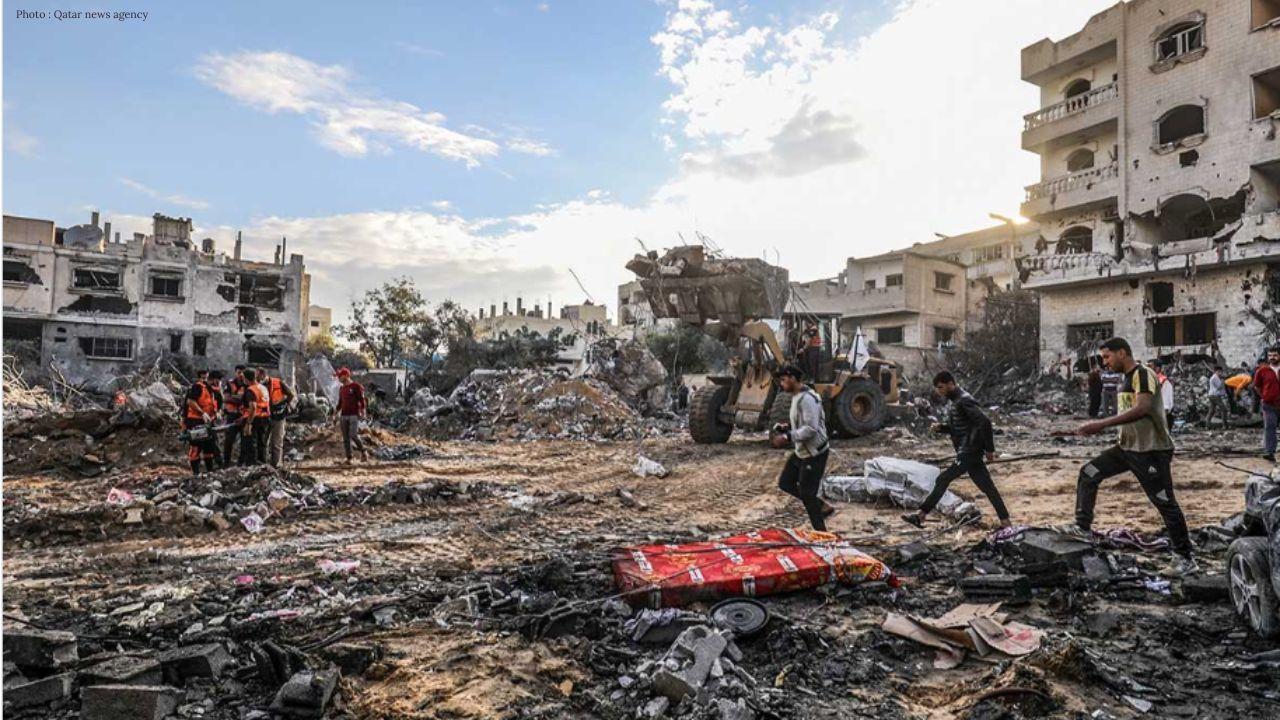
For civilians residing in the impacted regions, even brief periods of peace are crucial. Many families have endured displacement, home damage, and interruptions to their daily lives. An extended ceasefire could offer much-needed relief and allow essential services to recover.
However, numerous challenges are yet to be navigated. Vital issues regarding border security, armed groups' presence, and political discord require resolution. Without advances in these areas, any extension of the ceasefire risks being merely temporary.
The results of the US-mediated talks will be monitored closely. A successful extension could alleviate tensions and pave the way for more serious peace endeavors. Conversely, a failure could result in renewed violence and heightened instability in the region.


 English