Post by : Shakul
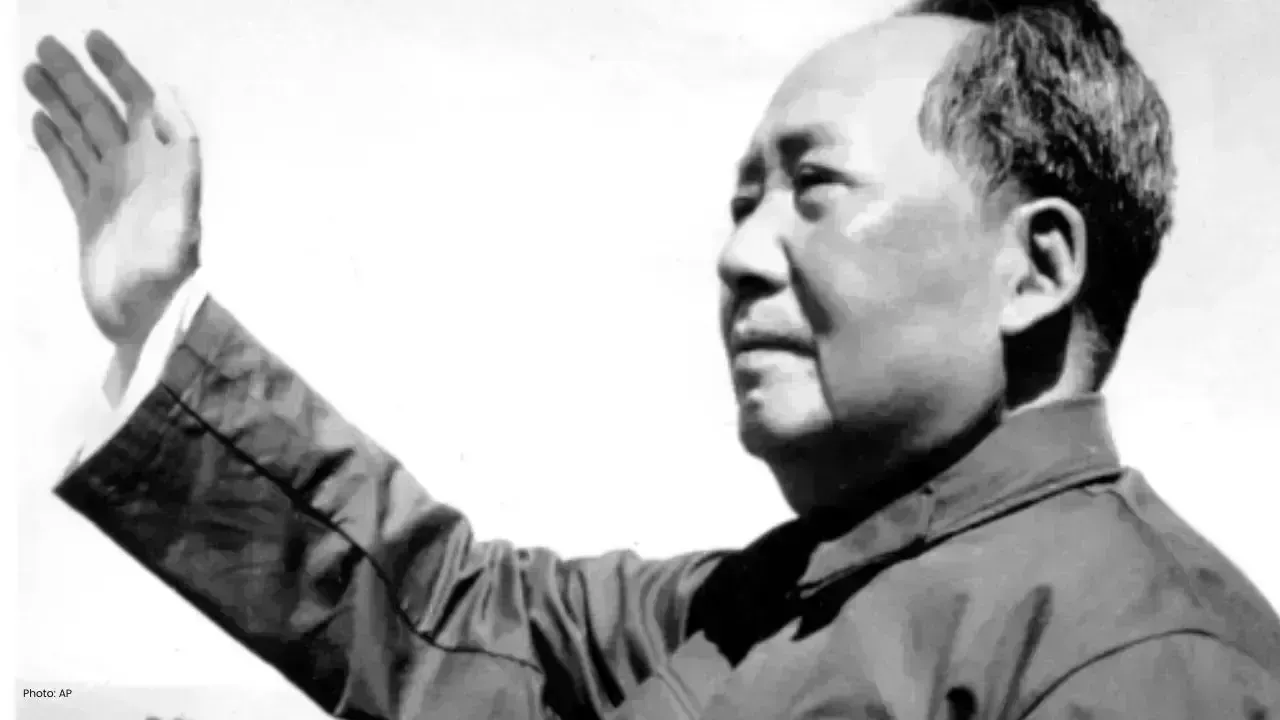
The date of May 16 is etched in the chronicles of modern Chinese history as it signifies the inception of the Cultural Revolution in 1966. On this day, the Chinese Communist Party unveiled the crucial “May 16 Notification,” which denounced various party officials for allegedly endorsing counterrevolutionary sentiments.
Under the aegis of Chairman Mao Zedong, this movement sought to purge the government, education, and cultural arenas of perceived anti-communist threats. What began as a campaign soon morphed into a widespread political and societal upheaval that indelibly transformed China.
Spanning from 1966 to 1976, the Cultural Revolution had a profound impact, displacing millions. Institutions of learning were shuttered, intellectuals faced persecution, and numerous cultural customs were obliterated. Enthusiastic youths, called the Red Guards, played a significant role in various political actions and public denunciation events.
Historians regard this ten-year span as one of the most chaotic in China's recent past. The power structures saw dramatic shifts, many families faced upheaval, and numerous individuals endured systemic oppression during this turbulent decade.
The May 16 Notification served as the pivotal declaration heralding the commencement of this movement, indicting so-called “revisionists” within the Party and alerting members to the perceived undemocratic capitalist ideologies endangering China’s socialist agenda.
In addition to marking the anniversary of the Cultural Revolution, May 16 has witnessed other significant historical moments. For instance, in 1770, Marie Antoinette wed the future King Louis XVI of France. In 1929, Hollywood hosted its inaugural Academy Awards ceremony.
Furthermore, on this date in 1975, Junko Tabei made history as the first woman to conquer Mount Everest. In 1997, US President Bill Clinton issued a public apology concerning the historically controversial Tuskegee Experiment.
The legacy of the Cultural Revolution continues to be a topic of heated debate and academic inquiry, as scholars strive to unravel its enduring political, cultural, and social ramifications within China and beyond.


 English