Post by : Shweta
In response to the ongoing conflict involving Iran, Japan has begun sourcing oil from Russia to mitigate the disruptions affecting global energy markets. With rising oil prices and concerns over fuel shortages looming, this strategic pivot underscores the growing instability in the Middle East.
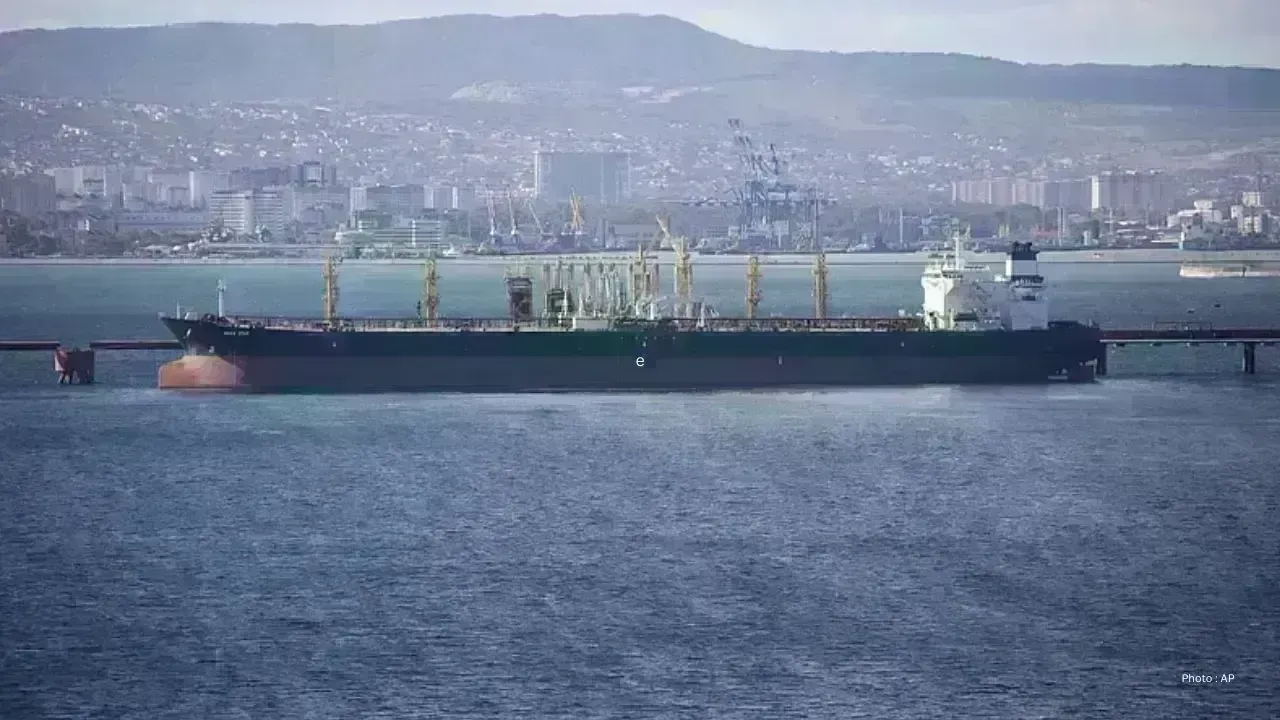
Recent reports highlight that Taiyo Oil, a Japanese refining company, has secured a shipment of crude from Russia's Sakhalin-2 energy project, marking a notable return to Russian oil since Japan reduced its imports following the Russia-Ukraine conflict.
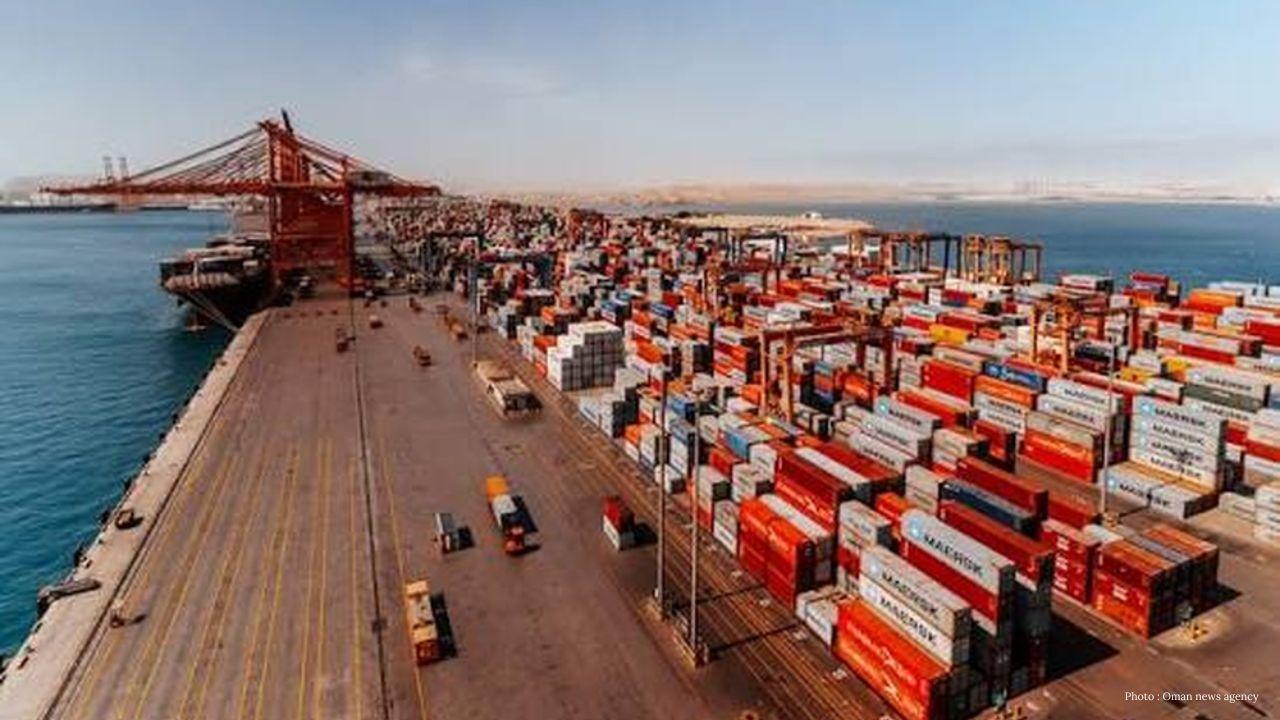
This decision comes amid significant issues in the Strait of Hormuz, a critical passage for oil transport. Historically, a substantial portion of Japan's oil has flowed through this region; thus, enhanced tensions have created uncertainty in energy supplies, impacting various Asian economies.
To lessen the impact of potential fuel shortages and economic strain, Japanese energy firms and officials have been actively seeking alternative oil suppliers. They have also ramped up imports from the United States and other non-Middle Eastern sources to stabilize energy availability.
Experts note that the ongoing crisis is causing wider ramifications beyond crude oil, with shortages of vital fuel products like jet fuel and liquefied petroleum gas beginning to affect sectors such as transportation, manufacturing, and chemicals. Coupled with rising shipping expenses, these issues are heightening inflationary pressures in economies worldwide.
Japan, heavily reliant on foreign oil, historically imported around 90 percent of its crude supply from Gulf nations. Such reliance means that even slight disruptions in the region can swiftly affect Japan’s economic landscape, including industrial output and fuel pricing.
Analysts indicate this move to procure Russian oil signifies a broader trend across Asia as nations recalibrate their energy strategies to secure reliable supply during ongoing geopolitical tensions. Many governments are prioritizing diversification of oil sources to shield their economies from potential future disruptions.
The global energy market remains precarious as the Iranian conflict continues to affect shipping routes and fuel procurement. Industry experts caution that prolonged hostilities could lead to further economic difficulties for countries reliant on imports, including rising transport costs and slower industrial growth.


 English