Post by : Shakul
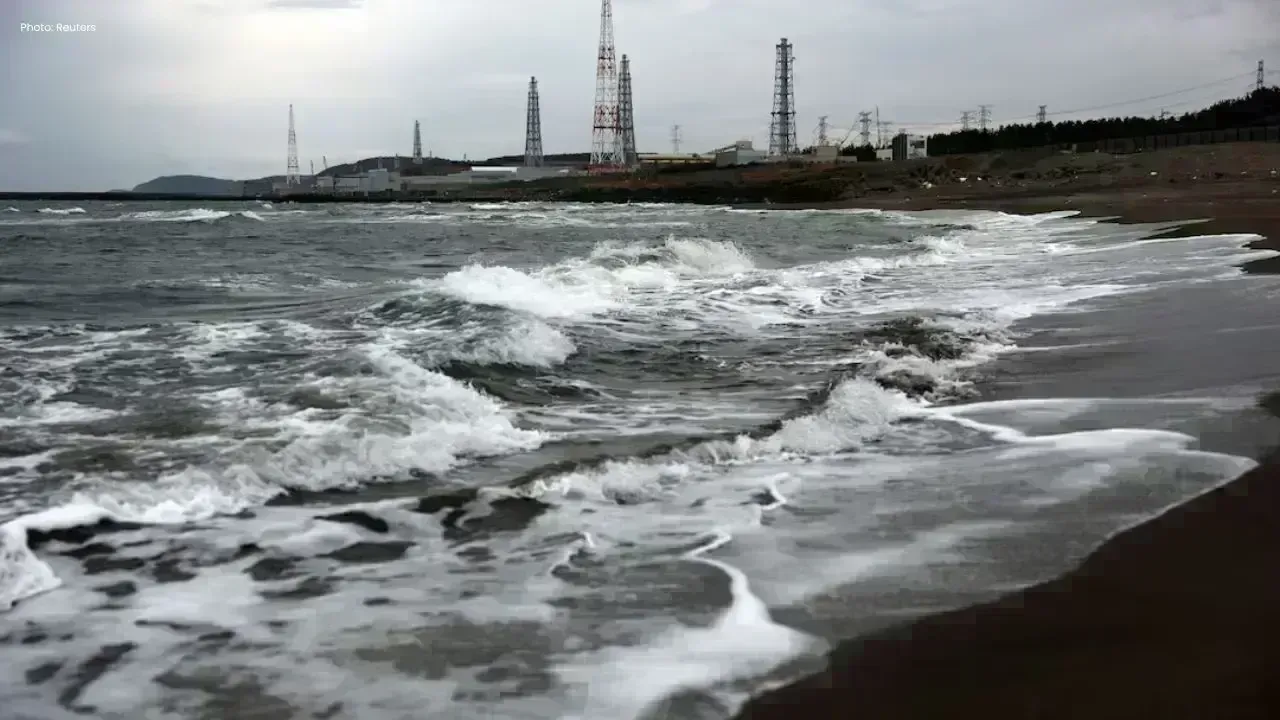
Japan has introduced a comprehensive strategy aimed at replacing its older nuclear power facilities to ensure a steady electricity supply and enhance national energy security. This proposal marks a notable change in the nation's energy policy, anticipating a significant increase in power demand over the forthcoming decades.
The Ministry of Economy, Trade and Industry (METI) indicates that Japan could require the construction of two to five replacement nuclear reactors by the 2040s, with projections suggesting a total of 11 to 14 reactors may be needed by the 2050s as existing plants near the end of their service life.
Officials assert that boosting nuclear energy is crucial to meet the rising electricity needs spurred by new industries, notably artificial intelligence, cloud technologies, and expansive data centers. These developments are anticipated to generate additional strain on the national energy grid in the coming years.
The proposed nuclear reactors are expected to deliver around 16 gigawatts of power, which would significantly diminish Japan's dependence on imported fossil fuels. Currently, a substantial portion of the country's electricity is generated from coal, natural gas, and oil, making reliance on energy imports a considerable economic issue.
Ever since the 2011 Fukushima disaster resulted in the shutdown of all 54 operating reactors, Japan's nuclear sector has encountered numerous difficulties. To date, only 15 out of the remaining 33 operable reactors have resumed operations, having complied with stringent safety standards introduced by regulators.
As part of its updated national energy policy, Japan seeks to elevate nuclear power's contribution to electricity generation to approximately 20 percent by the fiscal year 2040. Prime Minister Sanae Takaichi has been an ardent backer of reviving nuclear energy, viewing it as a vital strategy for enhancing energy self-sufficiency and mitigating vulnerability to unpredictable global fuel markets.
However, public confidence in nuclear energy continues to waver. Ongoing safety concerns affect public sentiment, with recent controversies surrounding inaccurate seismic risk evaluations at specific plants prompting renewed discussions about transparency and regulatory oversight. Nevertheless, officials posit that advancements in reactor technology and improved safety protocols will be essential for ensuring lasting energy stability in Japan.


 English