Post by : Shakul
In a bid to shield both households and businesses from escalating costs arising from the ongoing conflict in Iran, Japan’s government is initiating new economic relief measures. Satsuki Katayama shared this information during a press briefing in Tokyo, noting a key goal: minimizing the reliance on debt financing.
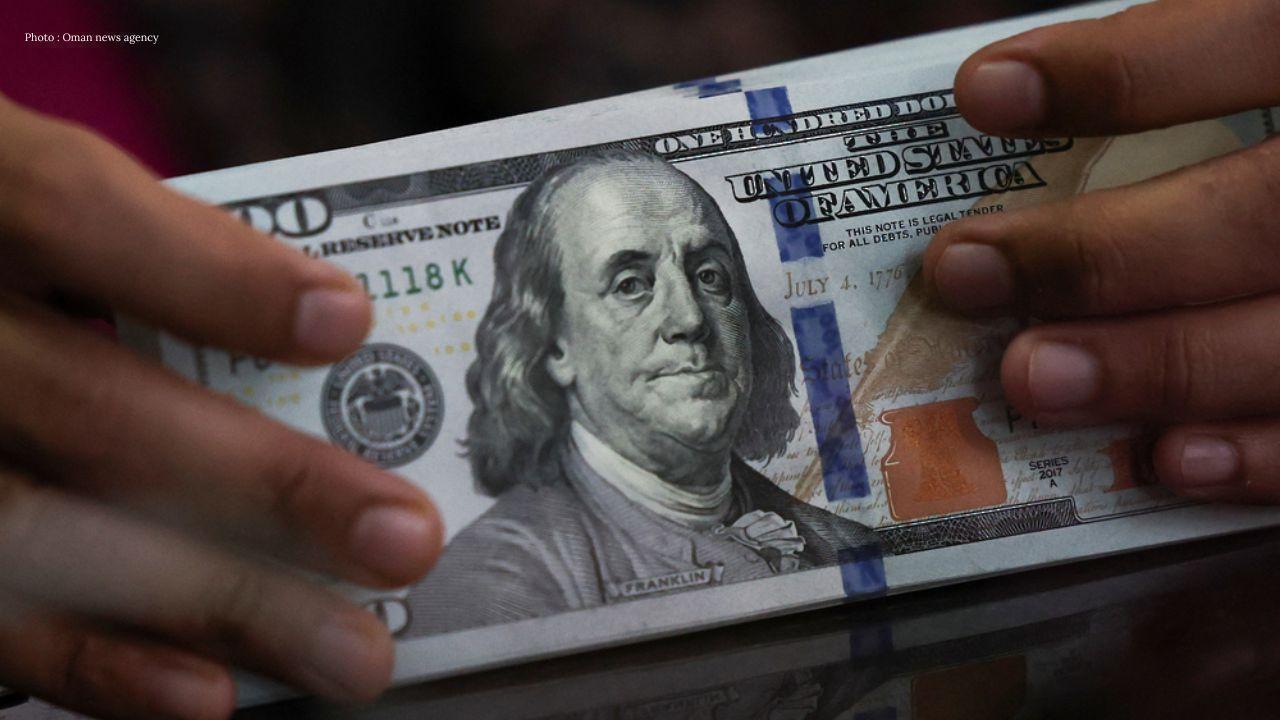
Prime Minister Sanae Takaichi has recently mandated cabinet members to explore the formulation of a supplementary budget aimed at alleviating the financial strain caused by soaring fuel prices, inflation, and turbulence in global markets linked to the Iran war. Preliminary reports suggest that this additional budget may approach 3 trillion yen, or roughly 18.9 billion US dollars.
While discussions are ongoing regarding a considerable expenditure plan, Finance Minister Katayama reiterated the government’s intention to decrease reliance on bonds and avoid significant borrowing. She emphasized that upholding trust in financial markets is crucial during such uncertain global economic circumstances.
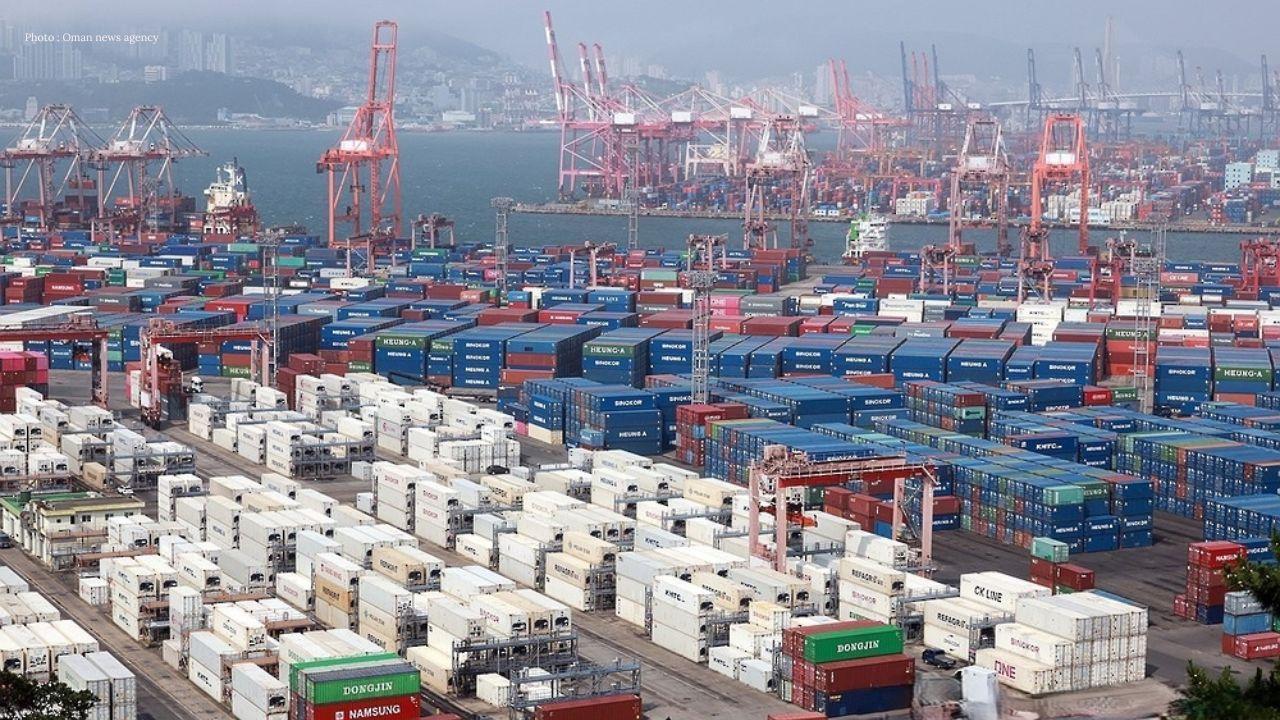
There’s mounting concern among Japanese officials about how rising energy prices and inflation are affecting everyday consumers and businesses. The conflict in Iran has disrupted international oil supplies, driving up transportation and import costs and intensifying the economic strain on nations reliant on imported energy, such as Japan.
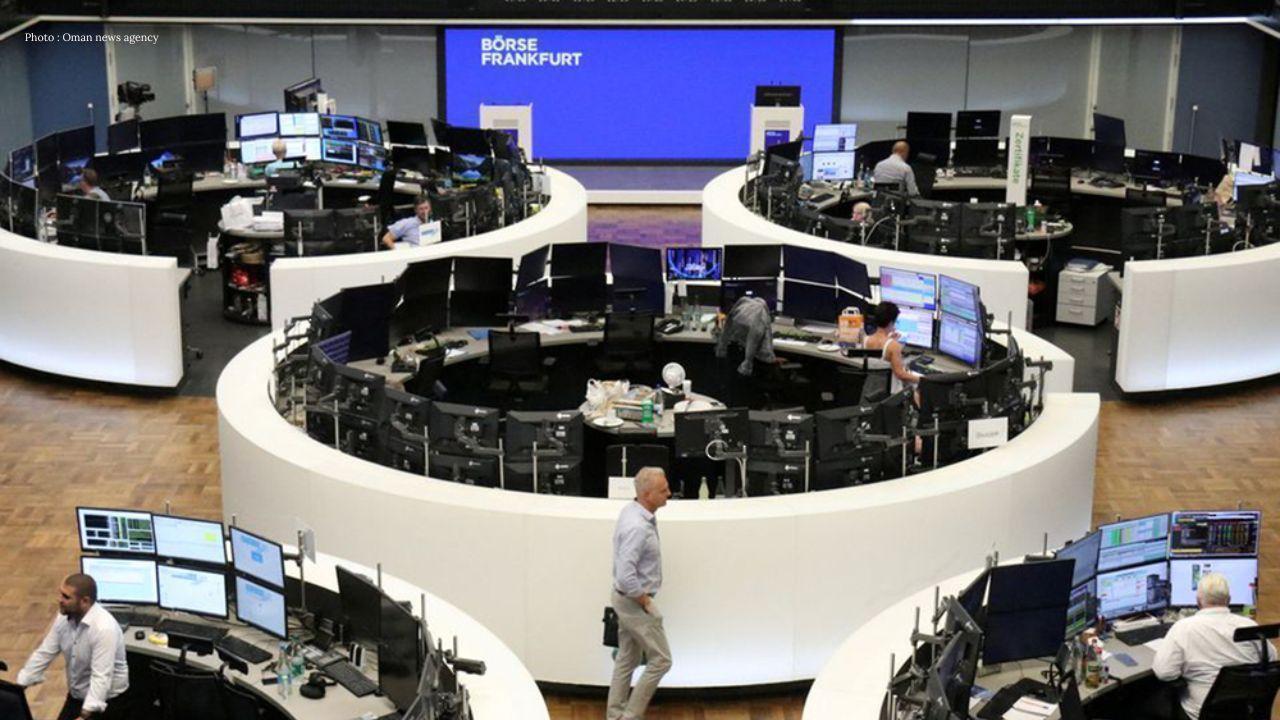
Katayama stressed the importance of mitigating economic risks while ensuring fiscal prudence. She highlighted the need for effective communication with financial markets and investors as a safeguard for Japan’s economic stability and its enduring financial integrity.
The prospective supplementary budget may include strategies to alleviate inflationary pressures, support sectors impacted by surging energy prices, and assist families grappling with increased living costs. Nevertheless, analysts caution that the government faces a formidable task in reconciling economic support initiatives with the existing burdens from Japan’s substantial public debt.
Japan's public debt is among the highest in the world, underscoring the sensitivity of fiscal policy decisions. Economists warn that excessive borrowing could exacerbate government financial health and erode investor confidence, particularly amidst ongoing geopolitical tensions and economic volatility.
Market analysts are keenly observing the Japanese government’s forthcoming strategies, anticipating Prime Minister Takaichi to share further insights on the proposed relief package and its financing approach soon.


 English