Post by : Shakul
Japan's administration has officially approved an impressive supplementary budget of approximately $19 billion, designed to help families and businesses cope with the escalating fuel and energy expenses amid persistent global market volatility.
This measure comes against a backdrop of fluctuating international energy prices, heavily influenced by geopolitical tensions, particularly the ongoing instability in the Middle East, which has affected oil supply forecasts and driven up global fuel prices.
Under Prime Minister Sanae Takaichi, the additional funding for the current fiscal year is part of a wider initiative to maintain economic stability and shield citizens from inflation linked to rising utility and transportation costs.
The supplementary budget, totaling around 3.1 trillion yen, will be financed entirely through government bonds aimed at covering deficits. However, officials have assured that the overall bond issuance will be carefully managed in conjunction with improved tax revenues and other income sources to prevent excessive financial strain.
A significant portion of this funding is earmarked to bolster contingency reserves for fuel subsidy initiatives, specifically for stabilizing gasoline prices and providing relief for household electricity and gas bills already implemented nationwide.
Government representatives warned that without ongoing government action, rising crude oil prices would directly affect transportation and manufacturing costs, which could endanger the fragile economic recovery Japan is experiencing.
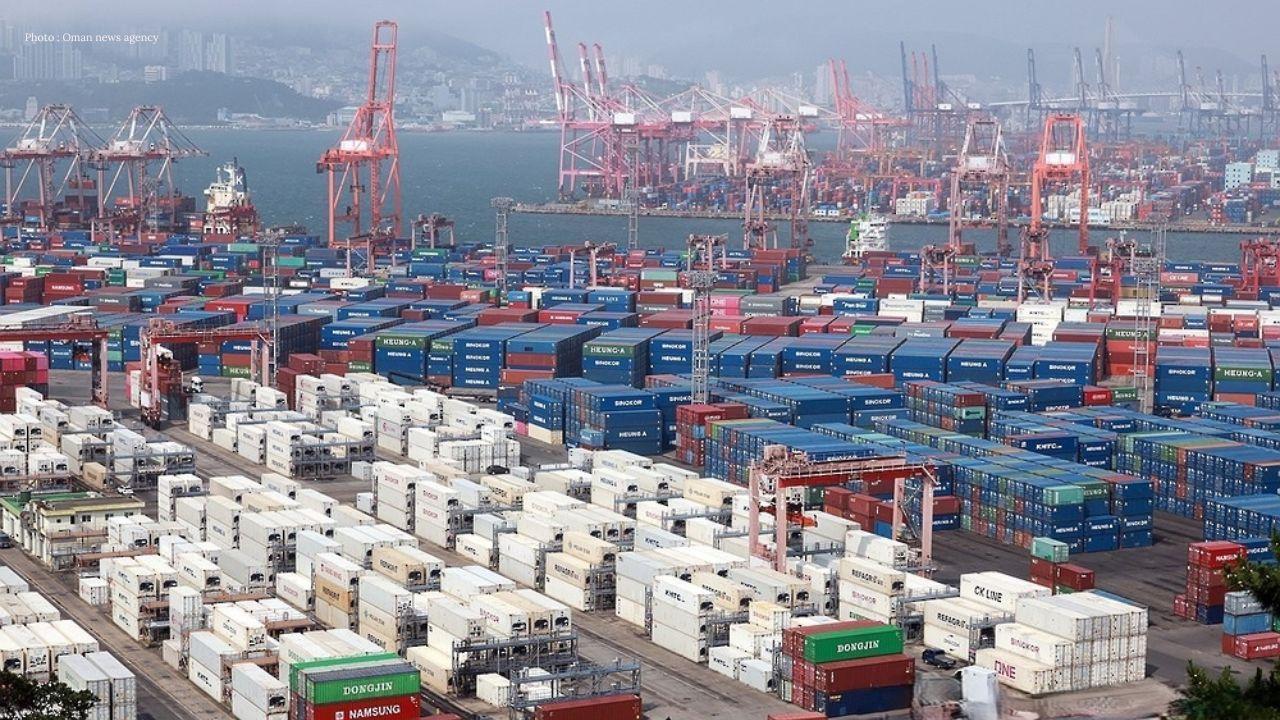
Heavily reliant on imported energy sources, Japan is particularly susceptible to swings in global oil markets, with sharp increases in crude prices quickly reflected in domestic fuel costs, creating pressure on consumers and small enterprises.
As such, the administration is prioritizing immediate relief strategies to mitigate economic shocks while closely monitoring global developments. Officials have also suggested the potential for additional support measures if energy tensions continue or worsen.
While economists recognize that this budget offers immediate aid, it simultaneously raises concerns regarding Japan's long-term fiscal sustainability, given its already elevated public debt levels. Nonetheless, policymakers contend that stabilizing household expenditures is essential to support consumer spending and avert economic downturns.
Officials have pledged that the subsidy program will undergo regular reviews to ensure its effectiveness while focusing on the most vulnerable sectors, including low-income households and energy-consuming industries.
Overall, this initiative signifies Japan's commitment to balancing fiscal prudence with social welfare as it navigates external pressures and domestic inflation challenges in an uncertain global landscape.


 English