Post by : Shweta
In southern Lebanon, tensions are elevating as Israel establishes a contentious military zone termed the “Yellow Line,” provoking serious fears of potential breaches of the recent ceasefire agreement.
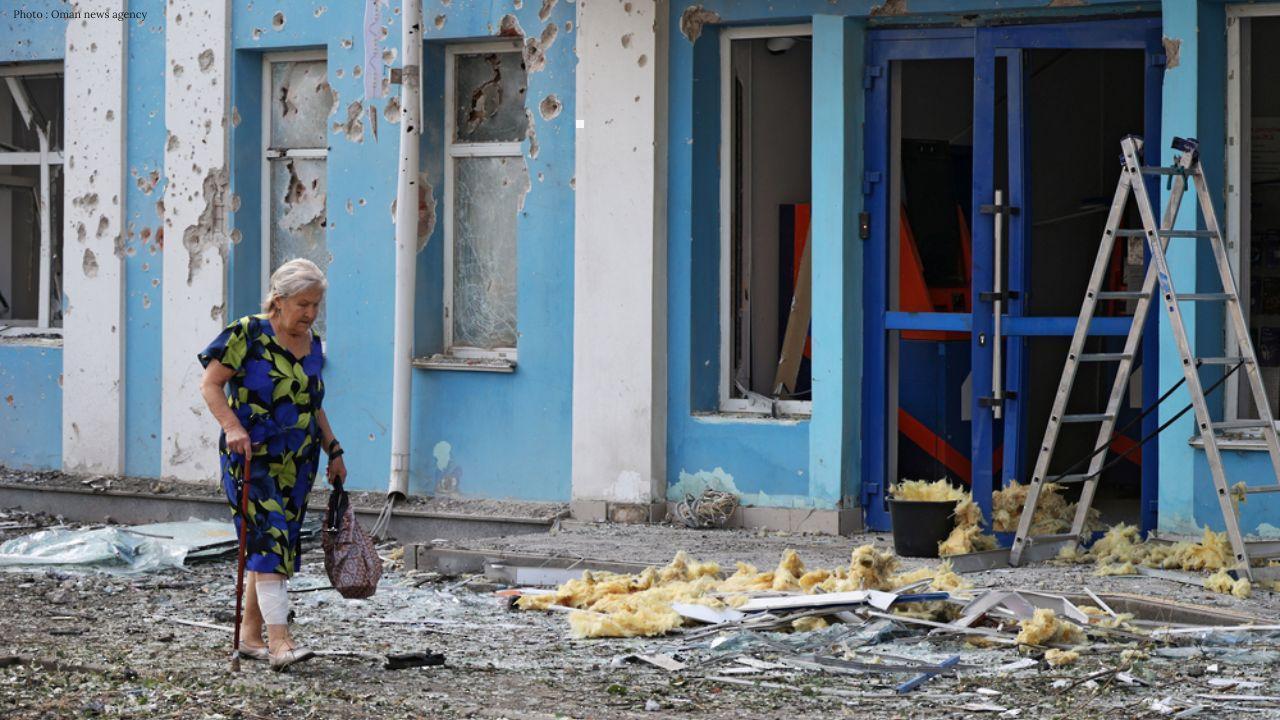
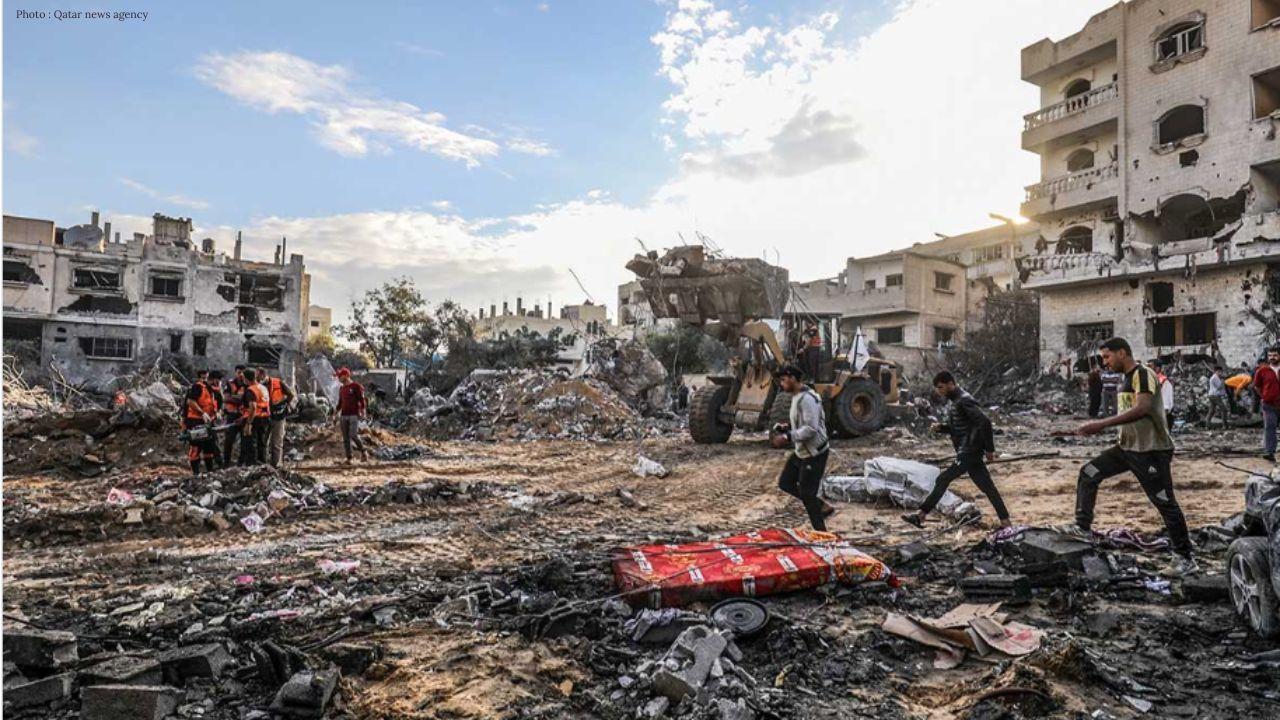
Set against the backdrop of a ceasefire after weeks of intense combat, the agreement aimed to end hostilities and restore regional stability. Nevertheless, ground reports indicate ongoing military activities by Israeli forces, including airstrikes, artillery bombardments, and the destruction of homes across various villages near the boundary.
Central to the dispute is the designated “Yellow Line,” extending roughly 10 kilometers into Lebanese territory. Israeli officials assert that this zone is crucial for security, intended to thwart attacks from Hezbollah. They have also signaled that troop presence will persist here, with the potential for strikes should they perceive a threat.
Countering this, Lebanon and Hezbollah categorically oppose the initiative, arguing that military occupation inside Lebanon contravenes the ceasefire and infringes upon national sovereignty. They emphasize that a ceasefire should entail an exhaustive cessation of military hostility, rather than continued actions under the guise of self-defense.
The ceasefire terms themselves have compounded the issue. While they advocate for a “cessation of hostilities,” they also permit Israel to undertake necessary self-defense measures, resulting in ambiguity that enables Israel to broadly define threats, encompassing potential or planned assaults, not solely immediate risks.
Locally, the atmosphere is fraught with tension. Many residents in southern Lebanon remain barred from returning to numerous towns situated within the “Yellow Line” area. Reports of ongoing devastation to homes and infrastructure persist, alongside the continuous military presence, heightening civilian anxieties.
Experts caution that Israel's actions might reflect a longer-term strategy, potentially aiming to impose control over the region for leverage in upcoming negotiations. This raises alarms that what is framed as a short-lived security measure risks evolving into an extended occupation.
The escalating situation could provoke further tensions, as Hezbollah has indicated its readiness to retaliate against any violations. Despite both parties maintaining that the ceasefire is intact, ongoing military operations and assertive rhetoric signify the agreement's fragility.
The international community is vigilant regarding these developments, with the stability of southern Lebanon deemed vital for broader regional peace. With both factions entrenched in their stances, the future of the ceasefire is uncertain, intensifying fears of re-ignited conflict.


 English