Post by : Shweta
Israel's government led by Benjamin Netanyahu has established a new military boundary dubbed the "Yellow Line," triggering significant alarm regarding potential infractions of the ceasefire between Israel and Lebanon. This zone spans approximately 10 kilometers into southern Lebanon and remains under Israeli military control.
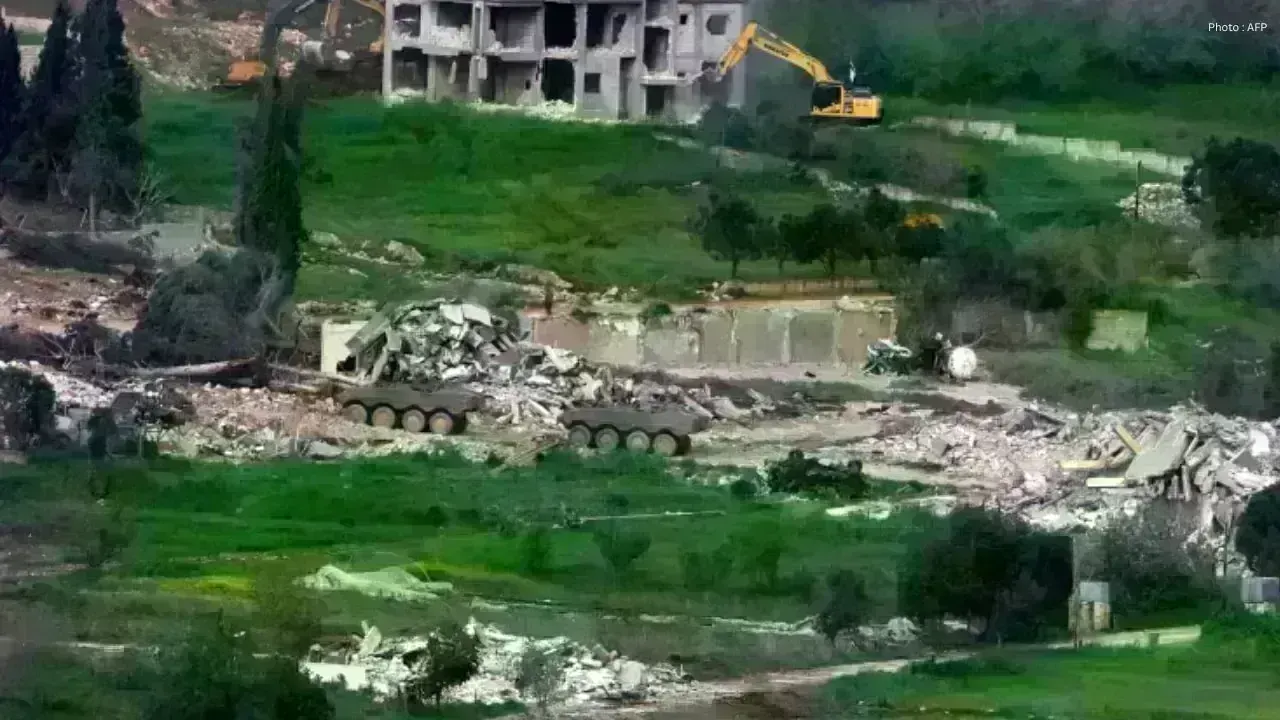
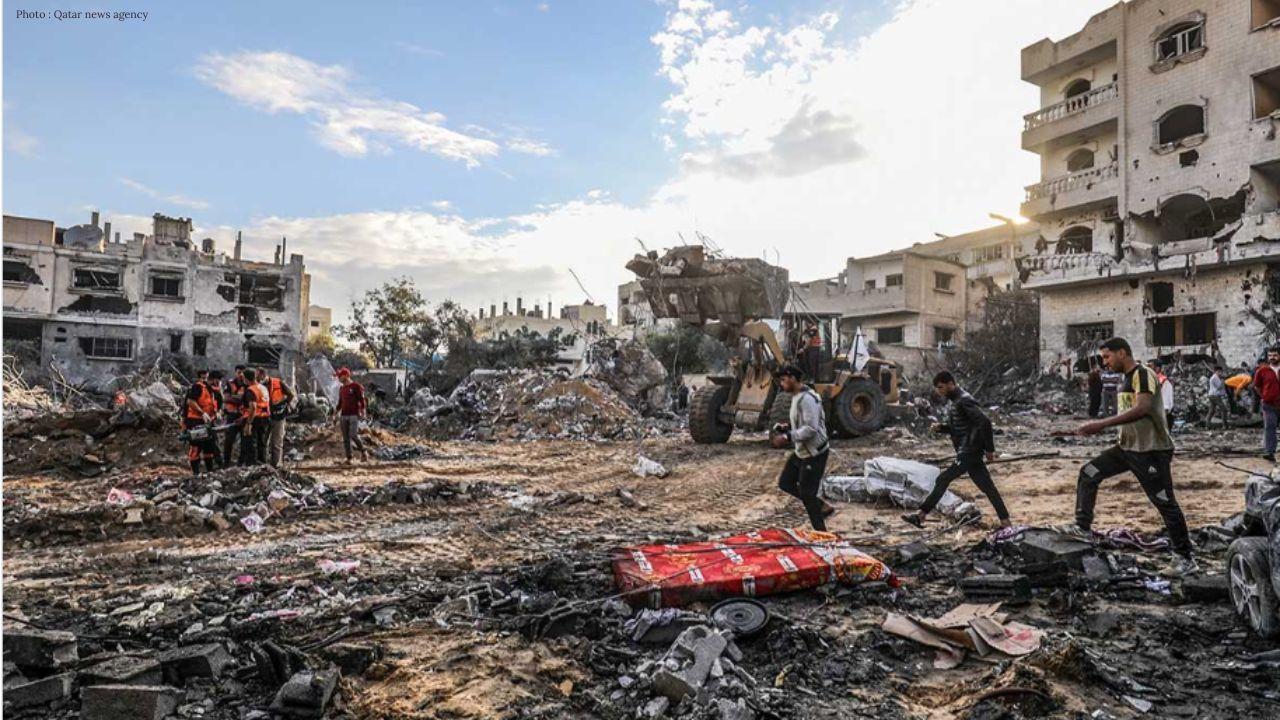
The ceasefire, which was supposed to halt conflicts after a period of intense warfare, appears to be faltering as reports indicate ongoing activities by Israeli forces, including home demolitions, artillery fire, and land clearing near the border. These actions have sparked serious doubts about the actual adherence to the ceasefire.
Israeli representatives assert that the "Yellow Line" serves as a crucial security buffer. They maintain that this control mitigates threats from Hezbollah, allowing Israel to respond to any potential dangers in self-defense. The government has indicated intentions to maintain military presence in the zone indefinitely.
Conversely, both Lebanon and Hezbollah have vocally opposed this development, deeming the presence of Israeli forces within Lebanese territory a breach of sovereignty and contrary to the ceasefire's intent. They argue that a ceasefire should entail a full cessation of hostilities.
The matter is further complicated by ambiguities in the ceasefire agreement. It mandates a pause in hostilities but also permits Israel to act defensively against perceived threats, leading to varying interpretations of the stipulations—making the enforcement of the agreement challenging.
There are rising concerns that this temporary military area might solidify into a permanent establishment, as analysts speculate that Israel could leverage control of this territory in future diplomatic discussions. This has escalated fears among local Lebanese residents, many of whom have been displaced from their homes within the designated area.
Moreover, the ramifications extend beyond Lebanon, linking to broader regional dynamics involving Iran and the United States. Any intensification of conflict in Lebanon could undermine ongoing diplomatic initiatives and heighten the risk of further unrest.
While both parties maintain that the ceasefire is intact, the ongoing military maneuvers and disputes over the "Yellow Line" indicate a precarious situation. The future of the ceasefire hinges on the ability of both sides to clarify terms and curb actions that could reignite violence.


 English