Post by : Saif
Al-Najjar
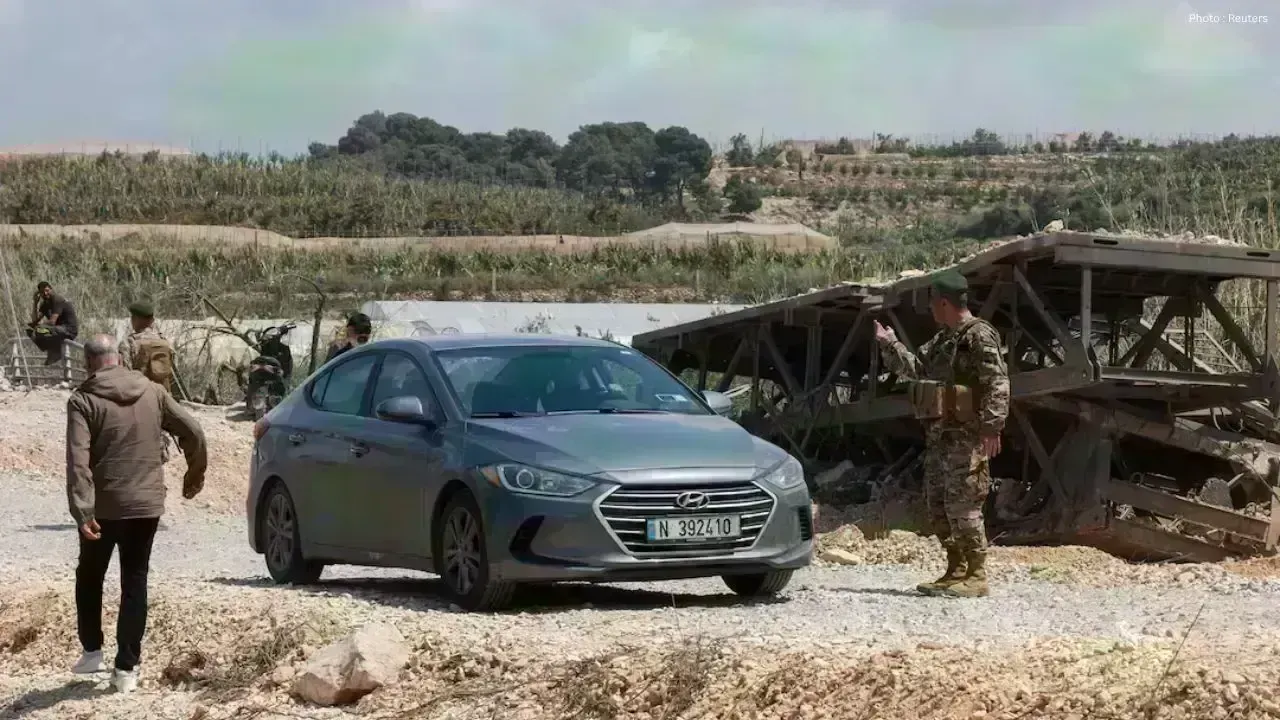
Israel has intensified its military operations in southern Lebanon, advising residents to steer clear of vast areas near the border, even with a ceasefire still active. This development has sparked renewed worries regarding regional peace and civilian safety.
The advisory follows a 10-day ceasefire deal recently facilitated by the United States, aimed at curbing violence between Israel and Hezbollah, a significant armed faction in Lebanon. Nevertheless, the atmosphere remains charged and perilous.
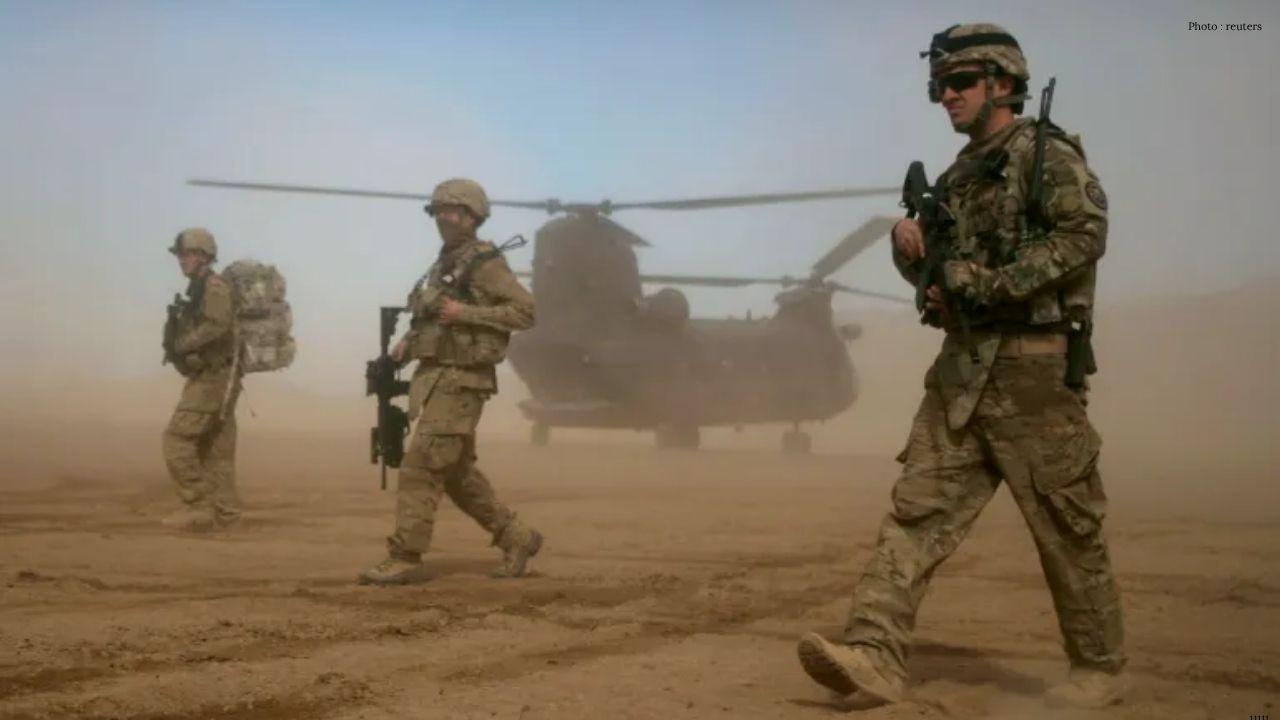
Israeli troops have established command over a broad expanse of land adjacent to the border. Authorities claim this initiative aims to form a “buffer zone” to shield northern Israel from potential attacks. This area encompasses numerous villages and extends toward the strategic Litani River in southern Lebanon.
The Israeli military has provided maps identifying zones where civilians are prohibited from returning. Over 20 villages have been marked as no-go areas, while more than 50 others have been deemed unsafe. Residents are cautioned to remain distant due to ongoing military engagements and security hazards.
This advisory has instilled fear among many Lebanese families. Thousands had already evacuated their homes due to the clashes. Now, even with a ceasefire in effect, safe return is elusive. Reports indicate that upwards of one million individuals have been displaced since the outbreak of hostilities earlier this year.
The clashes between Israel and Hezbollah have been severe. The conflict emerged in March amid broader regional tensions involving Iran and the U.S. Since then, both factions have launched attacks, resulting in substantial casualties and devastation to infrastructure.
Although the ceasefire has curtailed significant combat, sporadic violence persists. Hezbollah has also expressed its intention to retaliate against what it views as Israeli occupation of Lebanese territories.
Observers contend that Israel’s strategy to secure territory within Lebanon may complicate matters further. While Israel asserts this is solely for security, others fear it may lead to a prolonged presence in the region, which could exacerbate tensions and hinder peace negotiations.
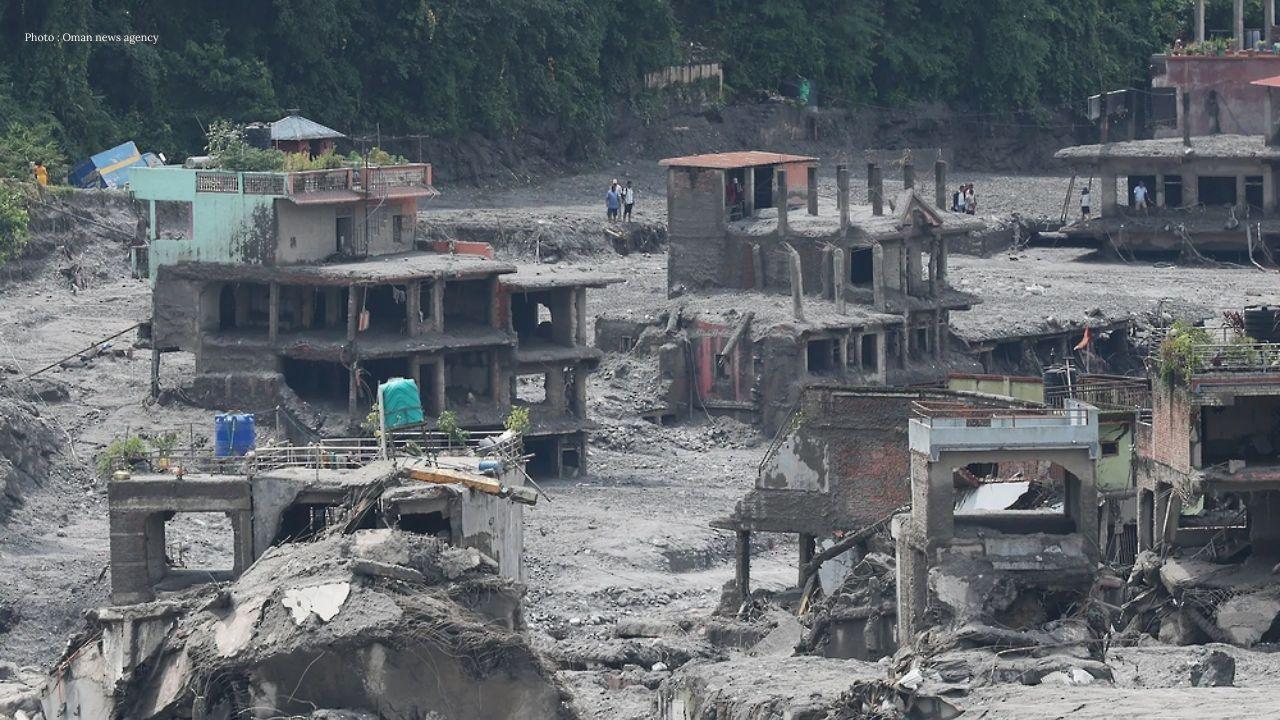
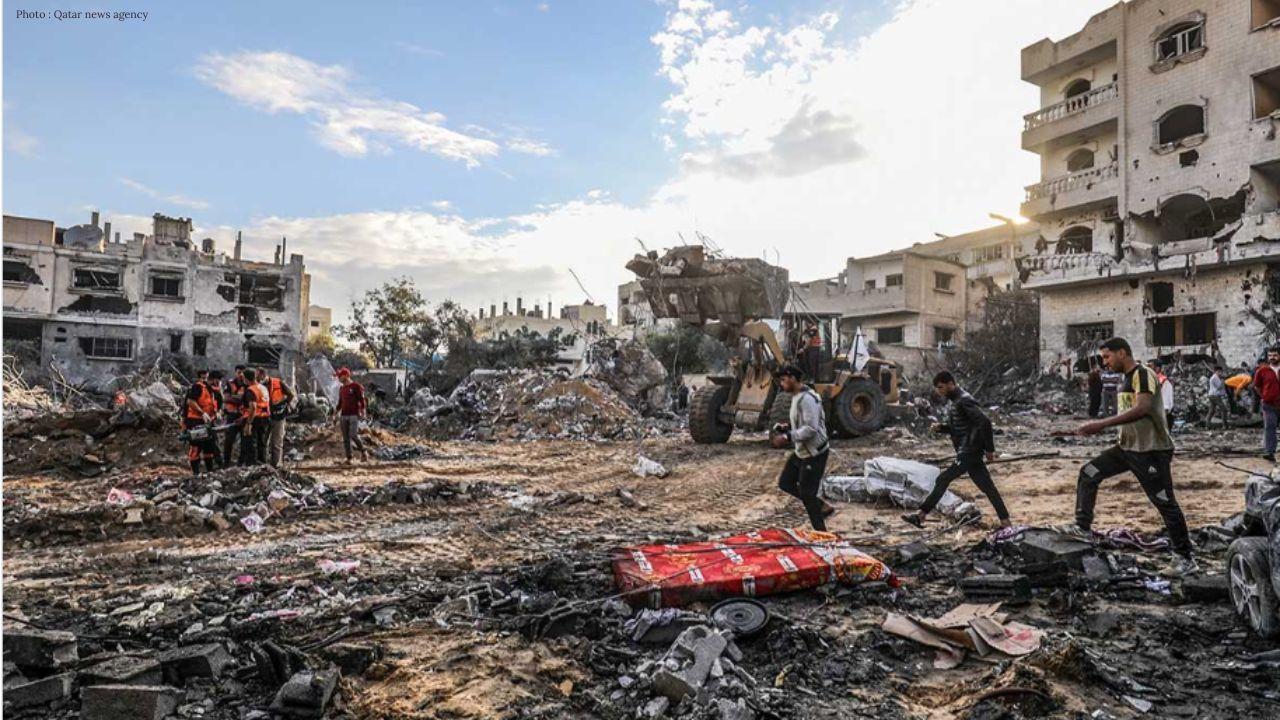
Moreover, the humanitarian dimensions pose significant challenges. Numerous homes and villages are in ruins, with essential services such as electricity, water, and healthcare severely limited. Families eager to return find themselves in limbo, uncertain when it will be safe to do so.
International organizations and leaders are closely monitoring developments, urging both sides to uphold the ceasefire and pursue a peaceful resolution. However, ongoing distrust and military skirmishes hinder progress.
The situation in southern Lebanon highlights the fragility of ceasefires. Even when hostilities abate momentarily, deeper-rooted issues typically remain unresolved. Without concerted efforts towards dialogue and resolution, the likelihood of renewed conflict persists.
At present, civilians find themselves sandwiched between opposing forces. Their safety, homes, and future hinge on the decisions of leaders and militant groups. The upcoming days will be critical in determining whether the ceasefire endures or if tensions escalate anew.


 English