Post by : Saif
Al-Najjar
Israel and Lebanon have mutually agreed to prolong their ceasefire for an additional 45 days, following diplomatic discussions aimed at lowering tensions along their border. This decision brings a welcome respite to numerous civilians who have endured months of anxiety due to the looming threat of conflict.
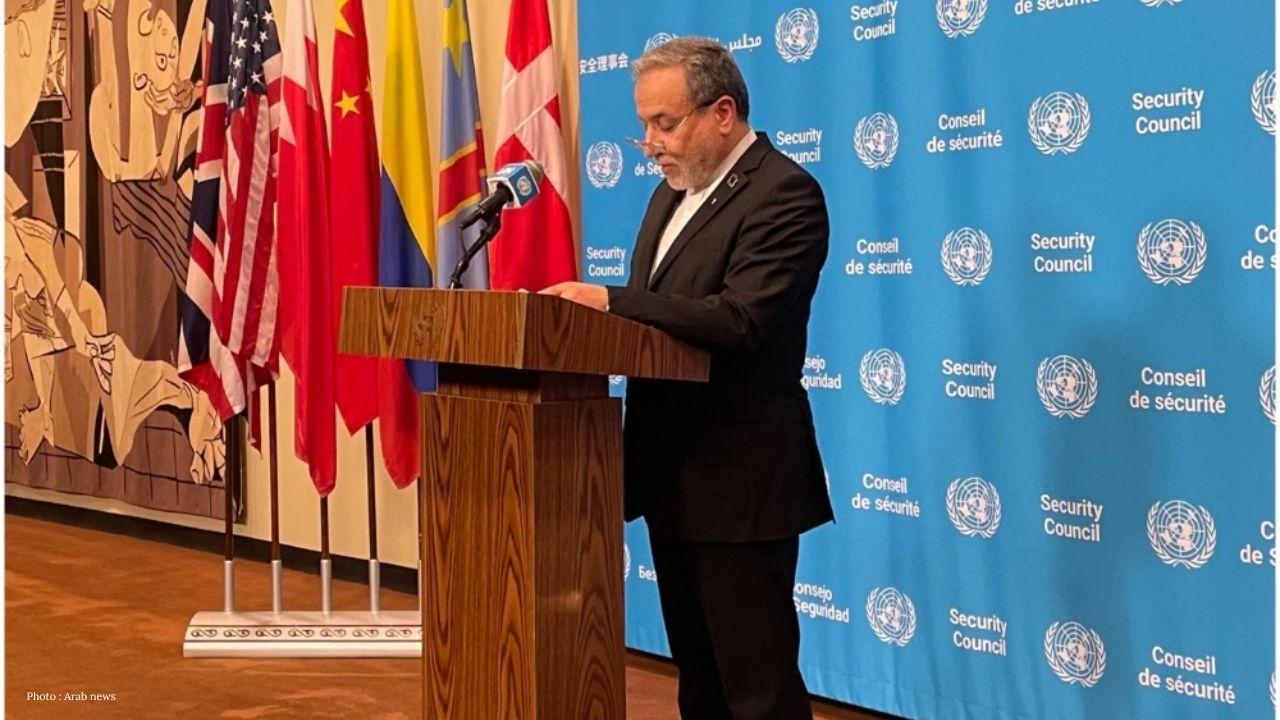
The extension was initiated after conversations in Washington, supported by the international community. Officials remain hopeful that this truce will facilitate further dialogue, thereby averting a serious military confrontation between the two nations.
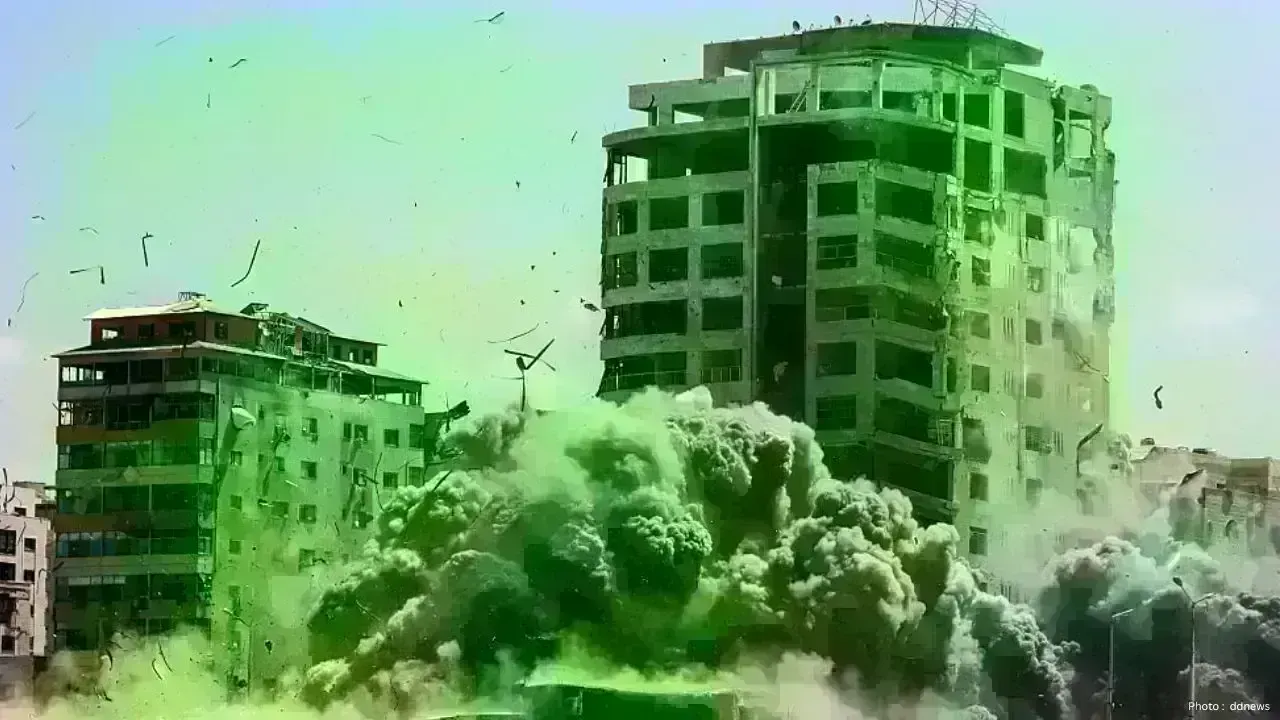
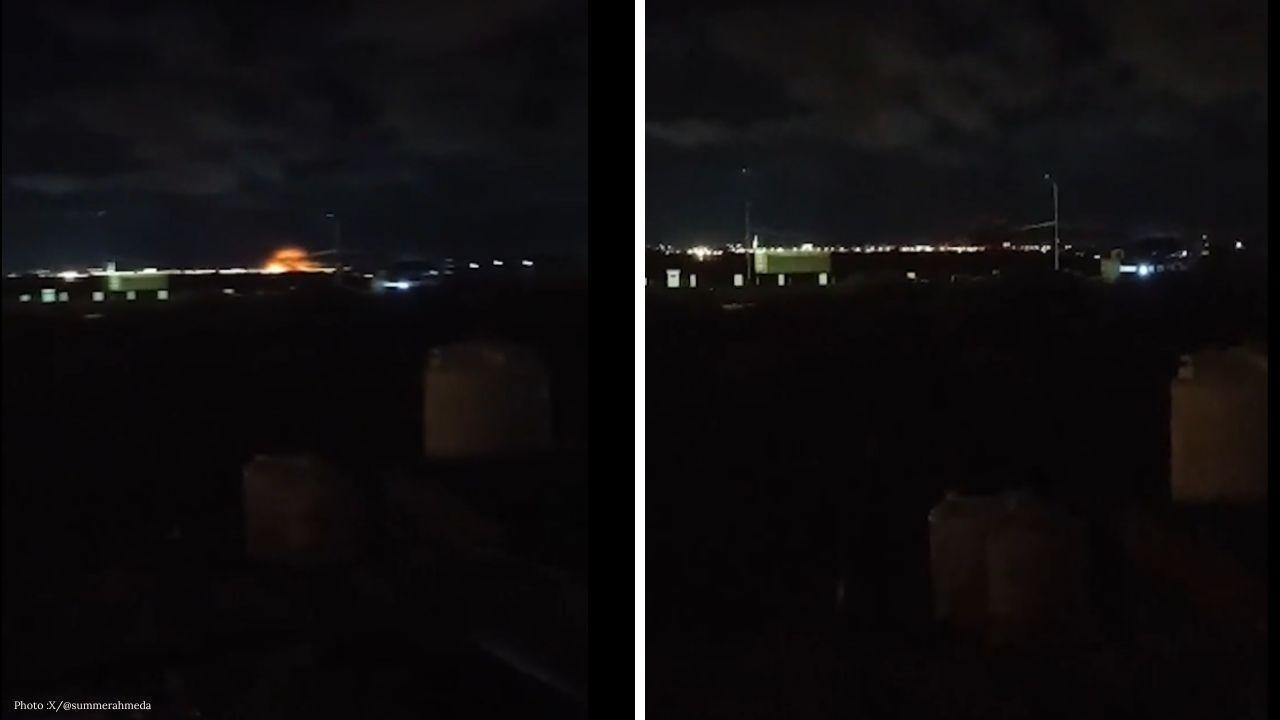
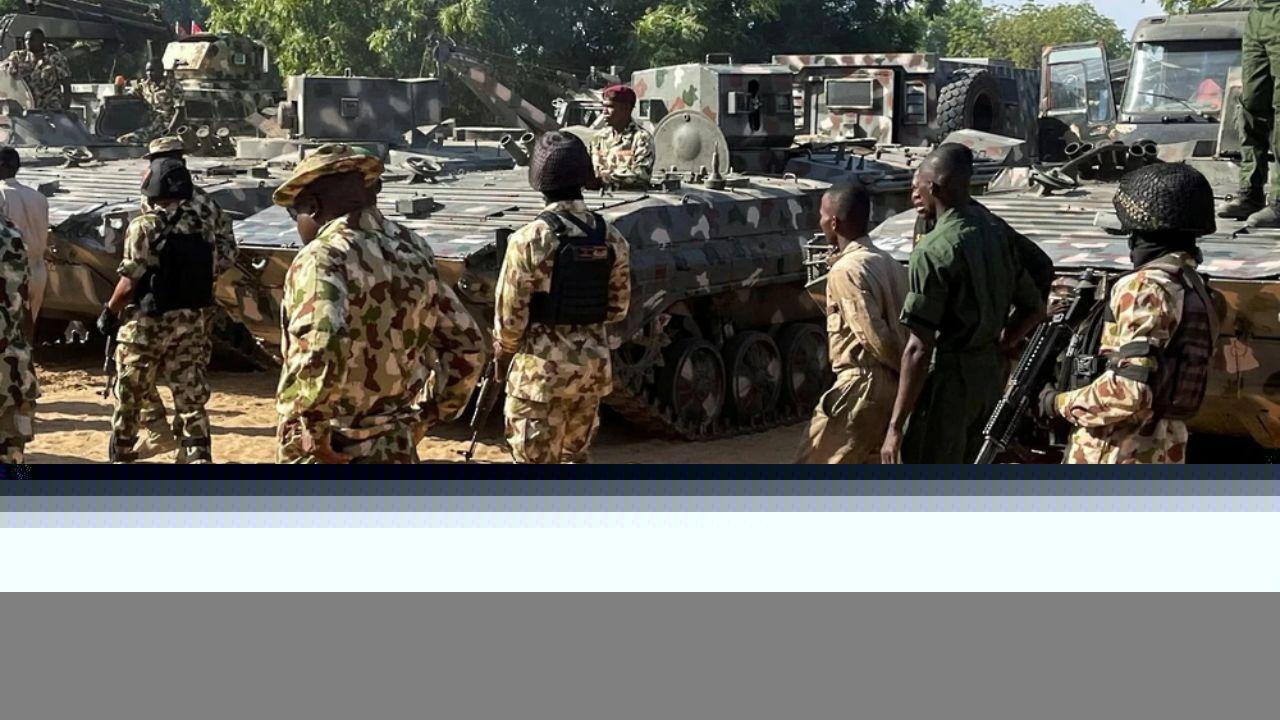
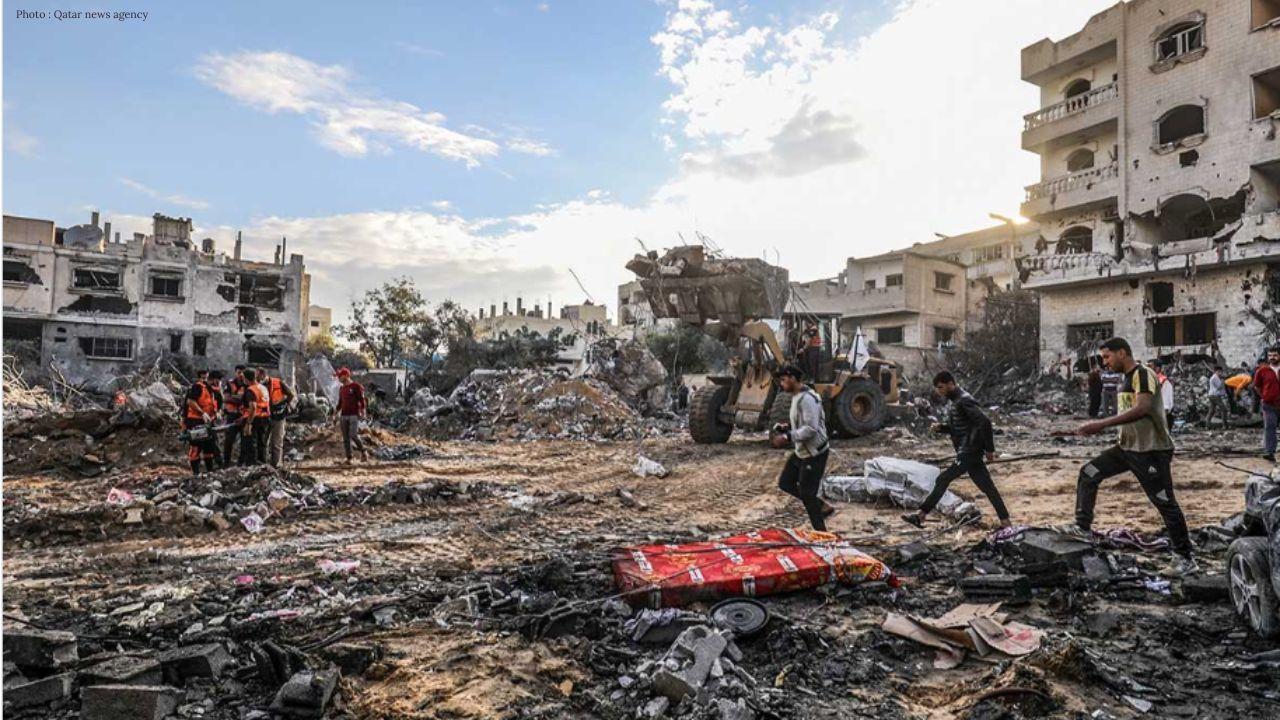
In recent months, the Israel-Lebanon border has experienced a surge in clashes, with aerial strikes, rocket fire, and military operations prompting many families to evacuate their homes, particularly in southern Lebanon and northern Israel. The infrastructure in nearby villages suffered damage, disrupting schools, businesses, and essential services.
Civilians faced escalating uncertainty in their daily lives, with family safety becoming a pressing concern and local economies faltering due to the sustained tensions. The ceasefire's extension is expected to provide a temporary reprieve for the affected communities.
However, the situation remains fragile. Minor security incidents and military actions have persisted in some regions despite earlier ceasefire agreements, indicating a lack of trust and the ongoing threat of renewed violence.
Hezbollah, the militant organization based in Lebanon, is a significant factor in the escalating tensions. Israel perceives Hezbollah as a considerable risk to its security, advocating for firmer responses against the group. Meanwhile, Lebanon is grappling with its political and economic crises, complicating the matter further.
The U.S. has played a proactive role in fostering negotiations and seeking to prevent a broader regional conflict, with world leaders expressing concerns that renewed hostilities between Israel and Lebanon could destabilize the entire Middle East.
This ceasefire extension does not signify a conclusive peace agreement but serves as a crucial diplomatic milestone. It provides both nations with essential time to address security issues and explore pathways to prevent future escalations.
For the residents near the border, the aspiration for peace is paramount. Many displaced individuals yearn to safely return home and rebuild their lives after prolonged fear and chaos. Businesses and local communities also wish for stability to return, enabling a revival of economic activities.
The upcoming weeks will be decisive for the ceasefire's future. Should negotiations proceed well, tensions may gradually diminish. Conversely, if discussions falter or violence resumes, the risk of renewed conflict looms large.


 English