Post by : Bianca
Haleem
Tensions in the Middle East flared over the weekend as Israel and Iran exchanged missile attacks, raising alarms about the potential for a broader conflict. This new hostilities surge comes nearly two months after their last direct confrontation.
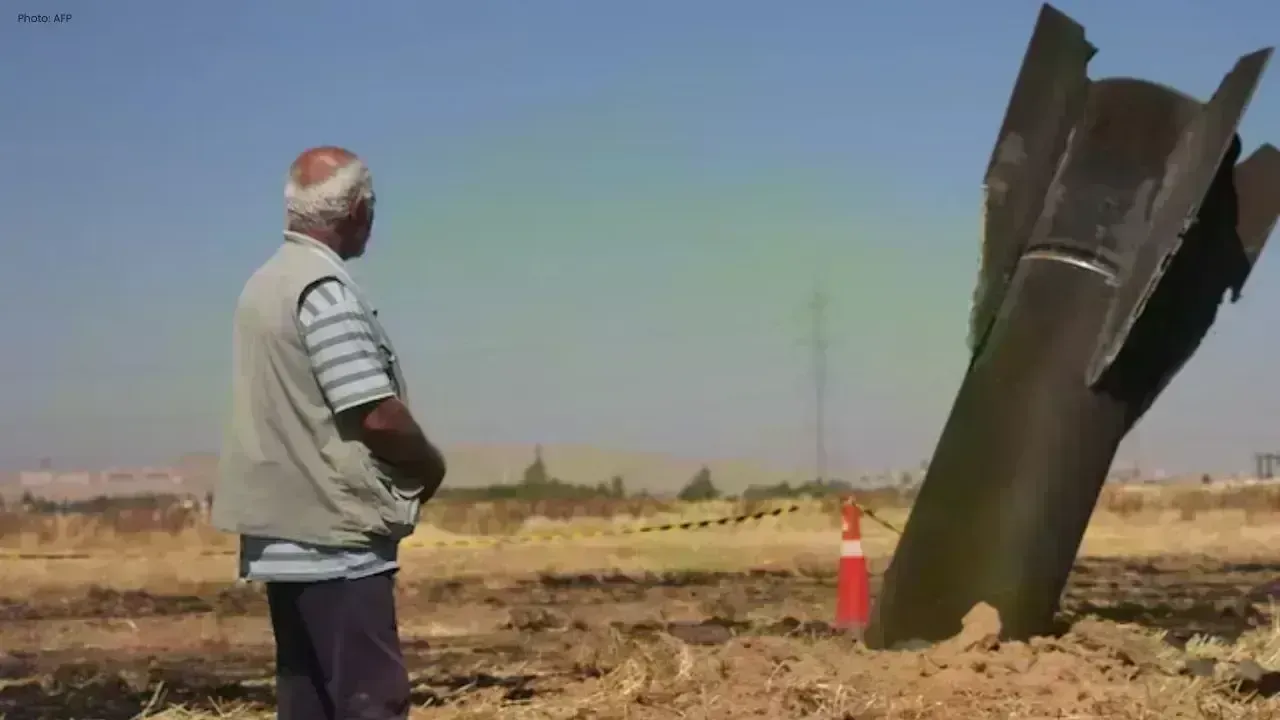
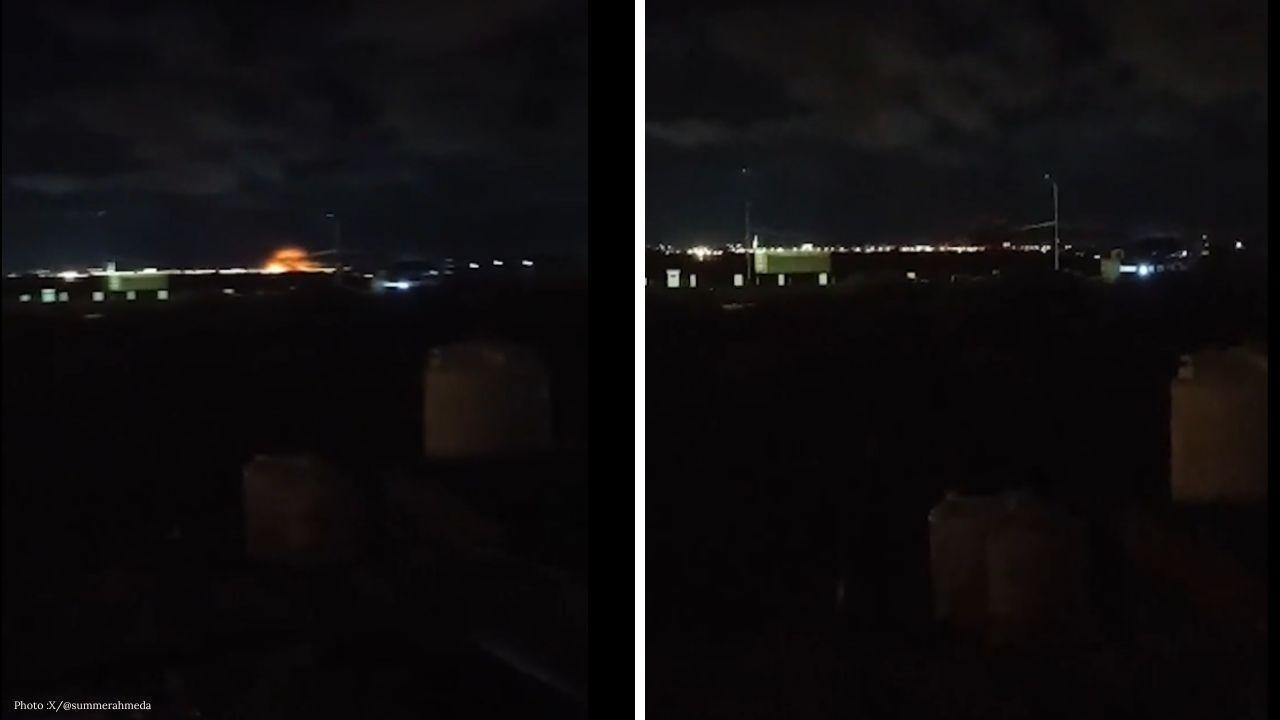
The repercussions of the missile exchanges extended to Syria, where a local farmer, Mahmoud Ataya, found a missile debris after a fire erupted in his field near Damascus. This occurred amid ongoing assaults that saw projectiles traverse Syrian airspace, with state media confirming explosions over Damascus on Sunday night.
The flare-up initiated when Israel conducted airstrikes in Beirut’s southern suburbs on Sunday, a move that President Donald Trump had cautioned against, urging Israel to refrain from escalating tensions further.
In retaliation, Iran fired approximately 30 missiles at Israel throughout the night, a military official from Israel confirmed, characterizing the missile launch as an act of revenge for the airstrikes in Beirut.
Israel quickly countered with strikes aimed at Iranian military assets and defense structures, resulting in at least 15 reported injuries in Iran, though no fatalities were confirmed at that time.
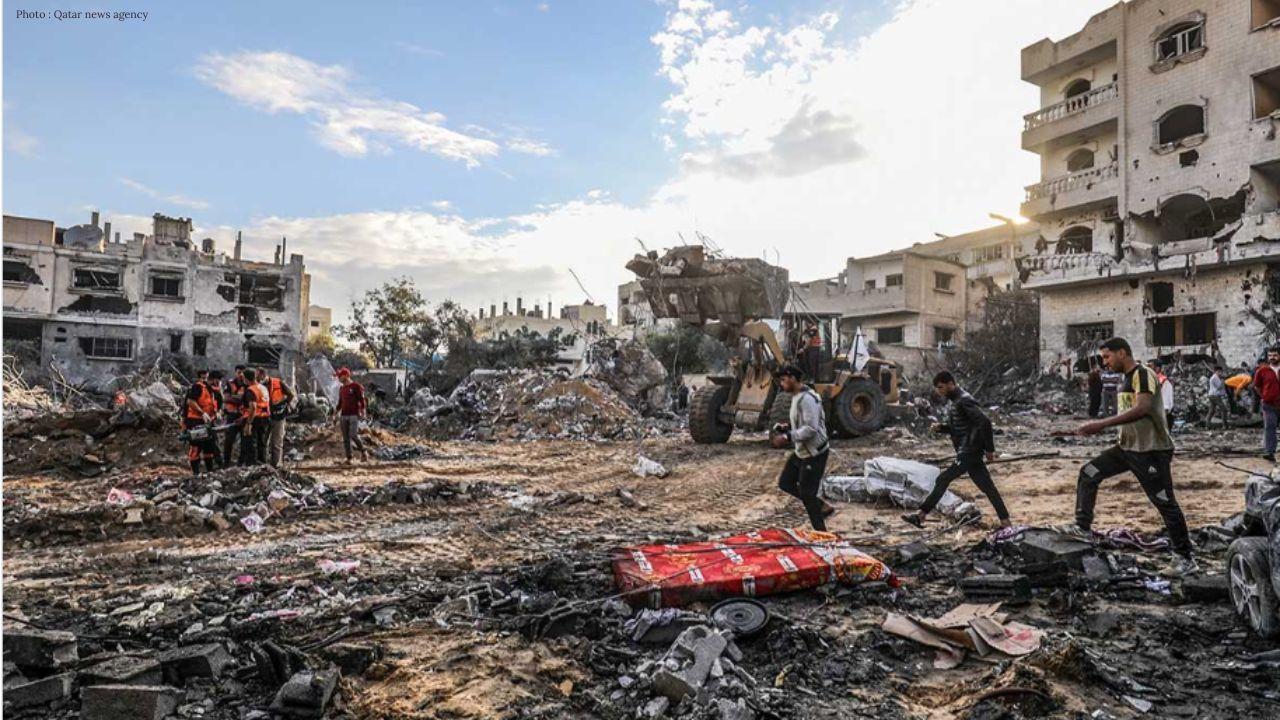
The violence further erupted in Gaza, where Israeli strikes on Monday led to the deaths of five individuals, including a child, with additional injuries reported.
These renewed hostilities have swiftly impacted the surrounding region, prompting Iraq to temporarily shut its airspace for 72 hours but reopening it by Monday. Furthermore, Yemen’s Houthi rebels launched a missile aimed at Israel, also threatening to resume attacks against maritime trade routes in the Red Sea, a crucial transit path.
Amid these developments, President Trump called for both parties to cease hostilities, appealing through posts on Truth Social for an immediate halt to military actions and reaffirming the pursuit of peace negotiations. He claimed that both nations were considering a ceasefire.
This resurgence of conflict surfaces against a backdrop of increasing tensions between Trump and Israeli Prime Minister Benjamin Netanyahu. Recently, Trump stated that he is setting US policy rather than taking directives from Netanyahu.
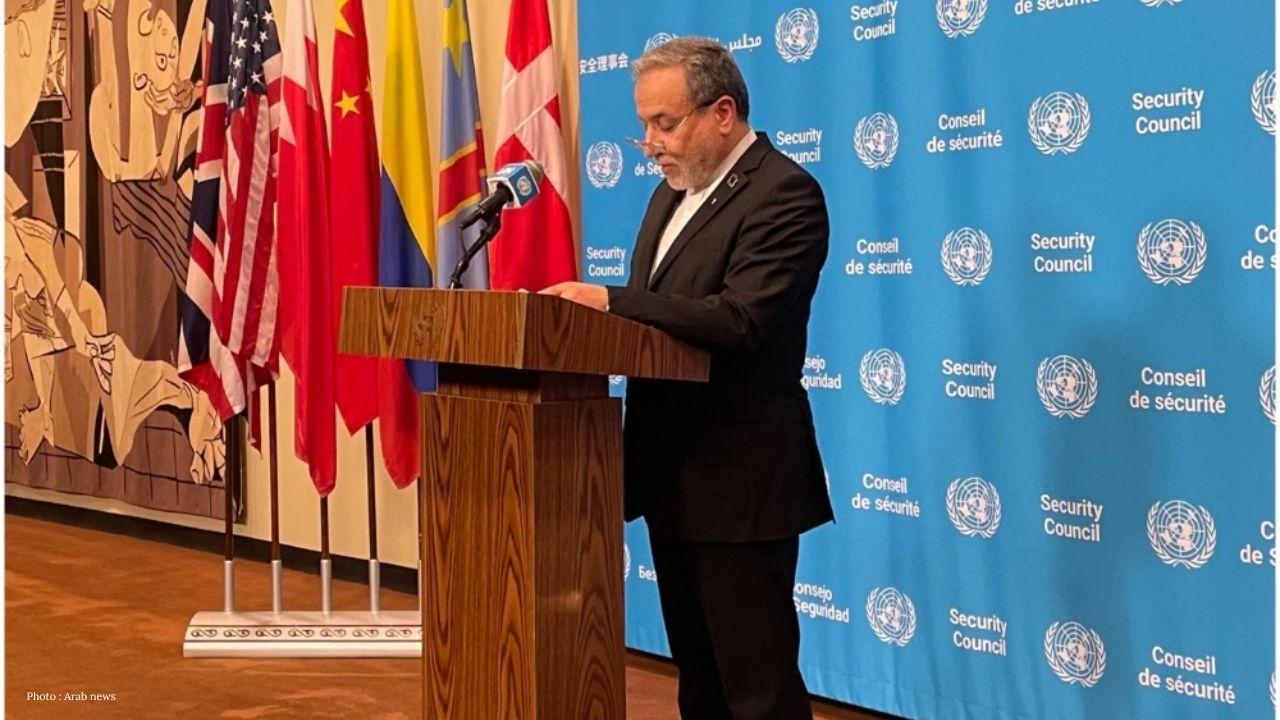
On Monday, Iran’s military joint command reported a halt in offensive operations but cautioned that any repeated aggression from Israel or its allies, particularly in southern Lebanon, would provoke a more forceful response.
As the fighting continues into its 100th day, anxiety and uncertainty are palpable among Iranian residents, many of whom reported hearing explosions and living in dread of further conflict.
The latest exchanges have sparked fears that the recent period of relative tranquility in the Gulf region could be coming to a close. Despite ongoing diplomatic endeavors, the escalating hostilities underscore the precarious security landscape of the Middle East and the potential for a larger regional war.


 English