Post by : Shweta
Iraq Moves to Strengthen State Control Over Weapons
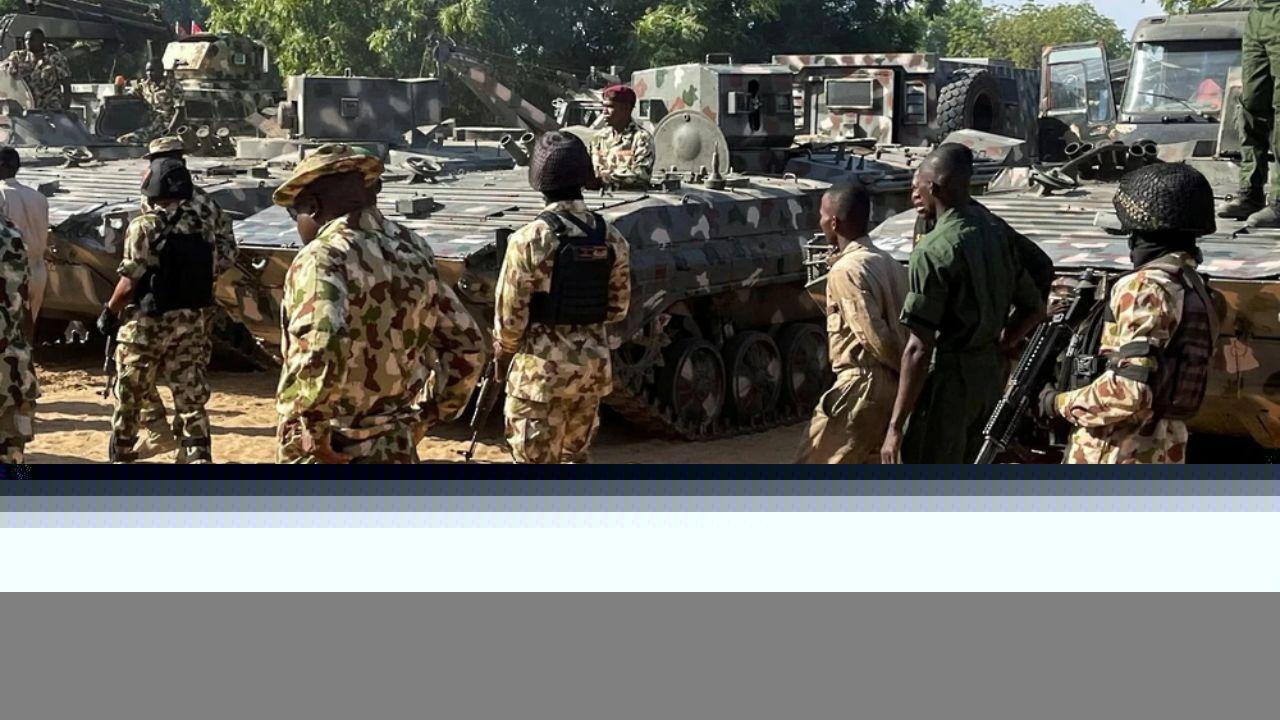
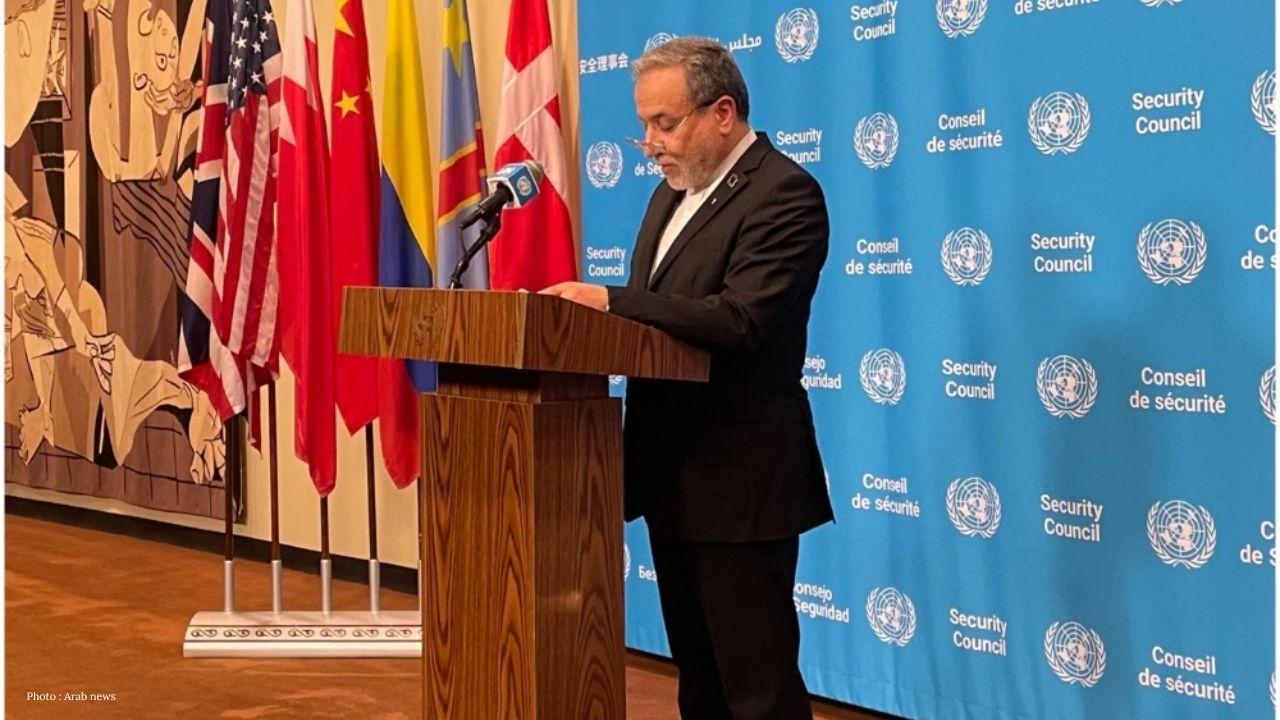
Iraq's government says it will continue efforts to ensure that weapons are controlled exclusively by the state. National Security Adviser Qasim al-Araji said Baghdad remains determined to resolve the issue and move toward an arrangement involving armed factions and their personnel.
Those Targeting Neighboring Countries Face Accountability
Al-Araji said anyone proven to have been involved in attacks against neighboring countries would be held accountable. The warning comes as Iraq faces pressure to prevent its territory from being used as a launch point for attacks against other states.
The Iraqi government has emphasized that the weapons issue is an internal matter and should be resolved according to the country's national interests rather than through foreign intervention.
Baghdad Seeks Dialogue Instead of Confrontation
The security adviser said the government does not want to rely on force to resolve the issue. Instead, Baghdad is pursuing dialogue, understanding and containment while discussing the future status of armed factions and the possible integration of their members into state institutions.
Iraqi officials have repeatedly indicated that the process of bringing weapons under state control is expected to be gradual rather than an immediate forced disarmament campaign.
Iraq to Continue Cooperation With Washington
Al-Araji also said Iraq would continue coordination and consultation with the United States after the international coalition's withdrawal. Baghdad wants future relations with Washington to continue under existing agreements, particularly in security and other areas of cooperation.
Recent Iraqi statements indicate that the relationship is expected to move from the multinational coalition framework toward bilateral cooperation based on Iraq's sovereignty and mutual interests.
September 30 Coalition Withdrawal Deadline
Iraq remains committed to completing the withdrawal of the U.S.-led international coalition's military mission by September 30, 2026. Iraqi officials have said the withdrawal is progressing according to an agreed timetable, with coalition forces transferring responsibilities and positions to Iraqi forces.
Importantly, Iraqi security officials have clarified that September 30 primarily marks the end of the coalition mission. The broader process of restricting weapons to state institutions is expected to continue through political dialogue and gradual arrangements.
Iraq Seeks Regional Stability
Al-Araji said Iraq is committed to maintaining its strategic relationships and strengthening its Arab ties while working toward lasting security and stability. He stressed that the government does not want confrontation and instead favors political understanding.
The approach comes at a sensitive time for Iraq, which is attempting to strengthen its sovereignty while navigating relationships with the United States, neighboring countries and powerful domestic armed factions.
Read more : Bahrain Intercepts Iranian Drone Attacks
Government Rejects Foreign Interference
Baghdad says the issue of armed factions and weapons must ultimately be settled through Iraqi decision-making. The government has indicated that discussions over the future of factions and the integration of their personnel will be handled internally.
The Iraqi government has also rejected proposals to extend the international coalition's military presence beyond September 30, reinforcing its position that the country should assume full responsibility for its security.


 English