Post by : Saif
Al-Najjar
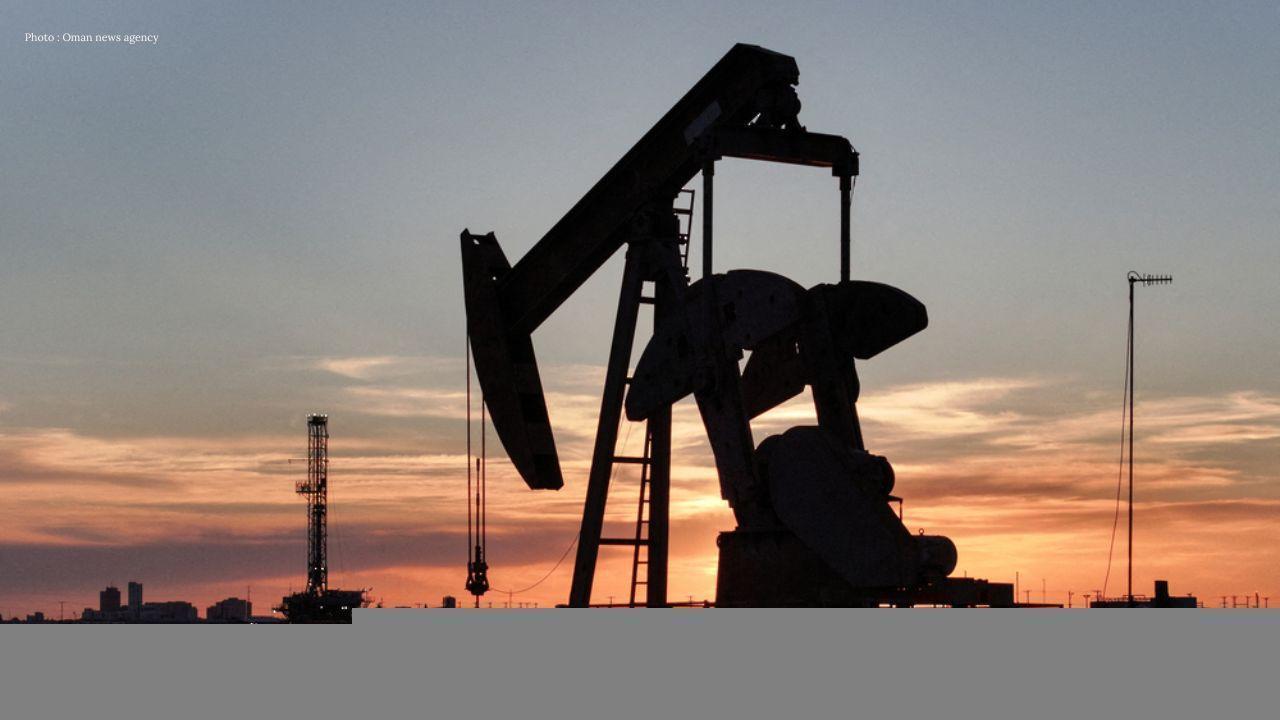
Growing tensions between Iran and the United States have created uncertainty in global oil markets as concerns arise over vital trade routes. Recently, Iran has put forward a proposal to reopen the Strait of Hormuz, a crucial corridor for oil transportation worldwide.
The Strait of Hormuz is responsible for a significant proportion of daily global oil transit. Any disruptions in this crucial waterway can rapidly impact fuel supplies and prices throughout various nations. In the past few weeks, regional disruptions have already resulted in shipping delays and increased energy costs.
Under its proposal, Iran would consider relaxing its grip on the Strait in exchange for the US lifting its naval blockade on Iranian ports. While this offer has sparked some optimism for market stability, no solid agreement has emerged yet. The US maintains its scrutiny over Iran’s nuclear ambitions, complicating the matter further.
The ongoing standoff has repercussions for the global economy, with rising oil prices contributing to heightened transportation costs. Consequently, prices for essential goods, including food, are becoming more burdensome for consumers. Nations heavily reliant on oil imports are experiencing significant strain.
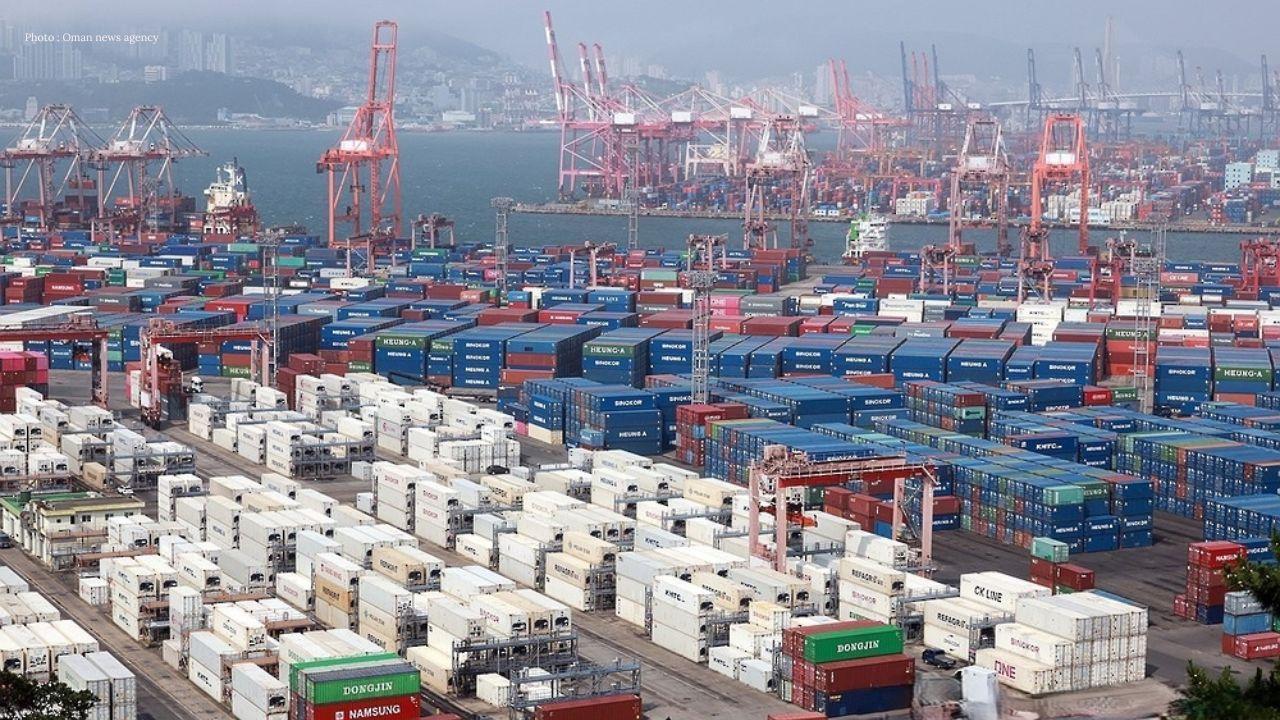
Shipping activity in the region has faced disruptions as vessels contend with risks, delays, and altered routes, thereby disturbing global trade and fostering market unease.
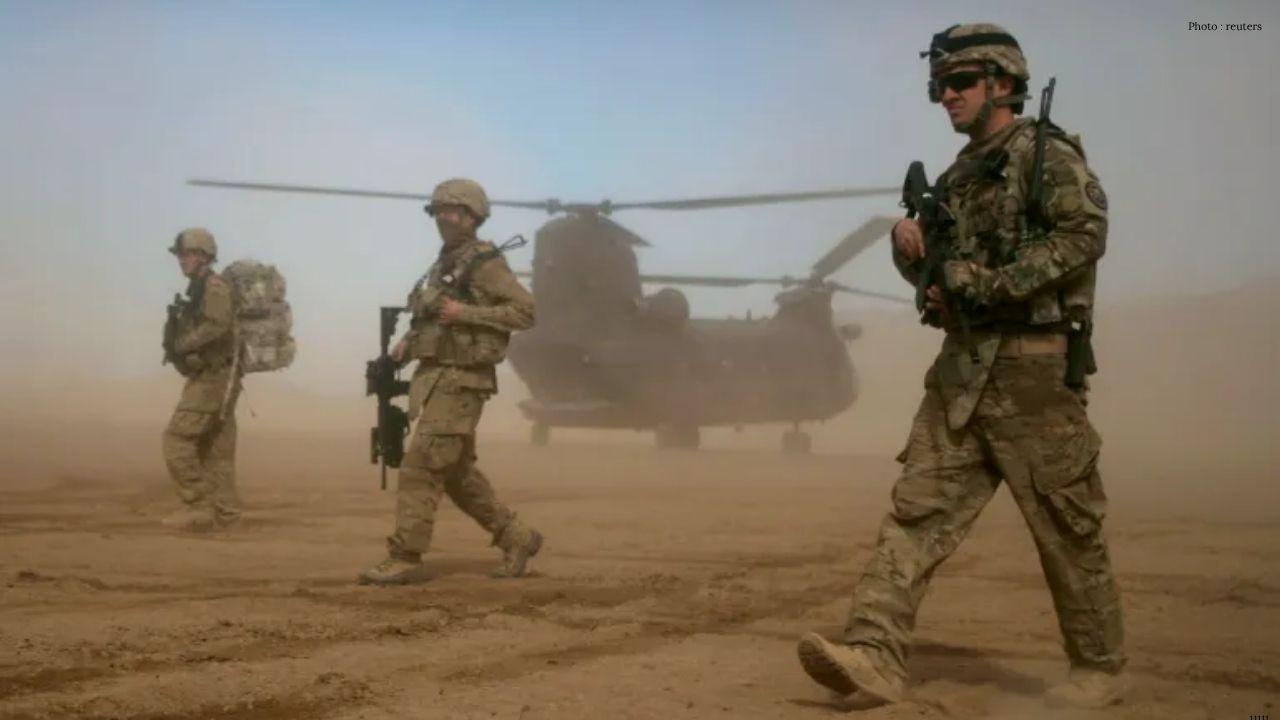
Despite a decrease in direct conflict, the atmosphere remains fraught with tension. The persistent military presence in the region continues to heighten fears of further escalations, keeping oil prices volatile and susceptible to any new developments.
Iran's offer illustrates that there are still avenues for diplomatic resolution. However, arriving at a consensus may be a protracted process, hindered by the strong demands from both parties and a lack of mutual trust. In the absence of tangible advancements, the situation may persist in jeopardizing global stability.
This crisis underscores the critical role of the Strait of Hormuz in world trade and energy supply, revealing how one region's difficulties can impact economies globally and the interconnectedness of nations through energy and commerce.
While efforts from other countries to facilitate discussions progress, advances are slow. The upcoming days could prove pivotal in determining whether this proposal can pave the way toward resolution or whether tensions will escalate further.
The ongoing dynamics between the United States and Iran remain crucial to the global economy, with implications extending well beyond the immediate region.


 English