Post by : Saif
Al-Najjar
In a striking cyber assault, Iran's tightly-regulated media faced a significant breach. Hackers managed to disrupt satellite transmissions of state television, broadcasting clips that promoted exiled Crown Prince Reza Pahlavi and called on security forces to avoid harming civilians.
The incident unfolded late Sunday and was visible across various channels controlled by Iran's state media, underscoring the government's stringent control over broadcasting in the country. This unusual incident is not just a functional breach; it carries substantial political symbolism.
The transmitted footage featured short clips of Reza Pahlavi, who has lived in exile since the 1979 Islamic Revolution. These videos included calls for military personnel and security forces to align with the people's demands and refuse to suppress the ongoing protests.
One segment directly implored security forces to “join the nation for the freedom of Iran,” while asserting, without evidence, that some members of military units had already disarmed.
Officials from Iranian state media confirmed that some satellite signals were interrupted by an “unknown source” but refrained from detailing the visuals during the outage, reflecting the incident's sensitive nature.
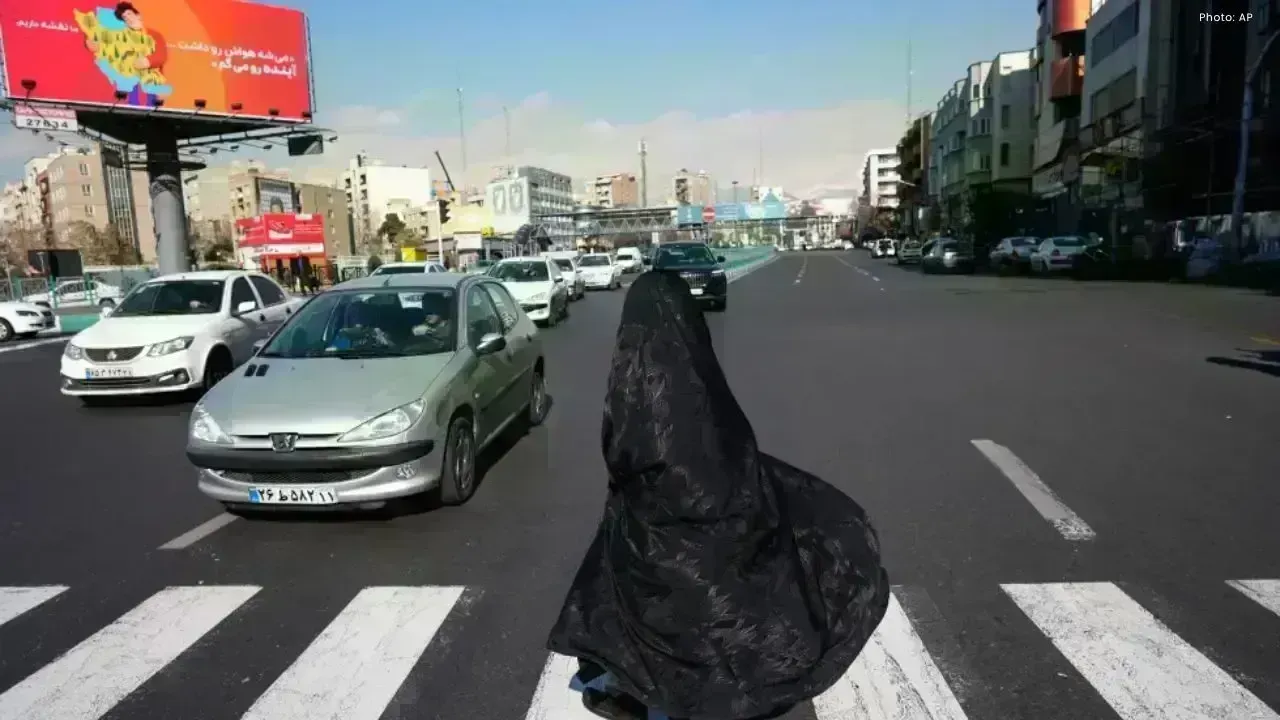
This hacking incident coincides with a period of heightened unrest in Iran, which has seen massive protests followed by a brutal government response. Activists report over 3,919 fatalities, but the real toll may be significantly higher due to internet blackouts and information suppression.
Although Iranian authorities have yet to publish specific statistics, Supreme Leader Ayatollah Ali Khamenei has acknowledged that “several thousand” casualties occurred, attributing the chaos to foreign interference, particularly from the U.S.
Reza Pahlavi has been vocal in his responses to the protests, calling on Iranians to seek reforms. Although his support within the nation is uncertain, some demonstrators have been heard chanting pro-monarchy slogans.
Previous hacking incidents targeting Iranian broadcasts are not unprecedented, especially during turbulent times, indicating ongoing struggles over media representation in Iran’s political landscape.
Simultaneously, tensions between Iran and the U.S. remain at a boiling point. President Donald Trump has cautioned Iran against the extermination of peaceful protesters. Satellite images indicate a U.S. aircraft carrier approaching the Middle East, stirring fears of an escalated conflict.
This hacking of state television transcends mere technical disruption; it encapsulates a growing wave of dissent and urgency within and beyond Iran’s borders. The continued protests and escalating pressure signal that the battle for public perception, media control, and personal freedoms is far from concluded.


 English