Post by : Shweta
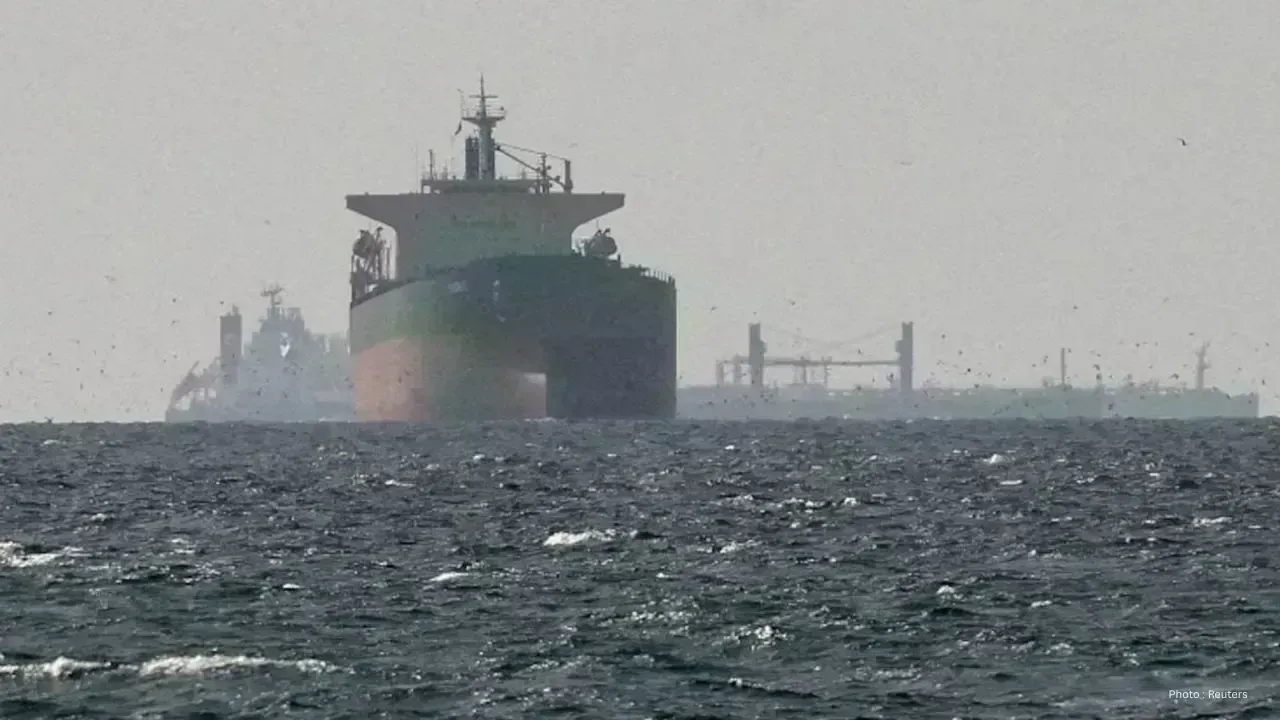
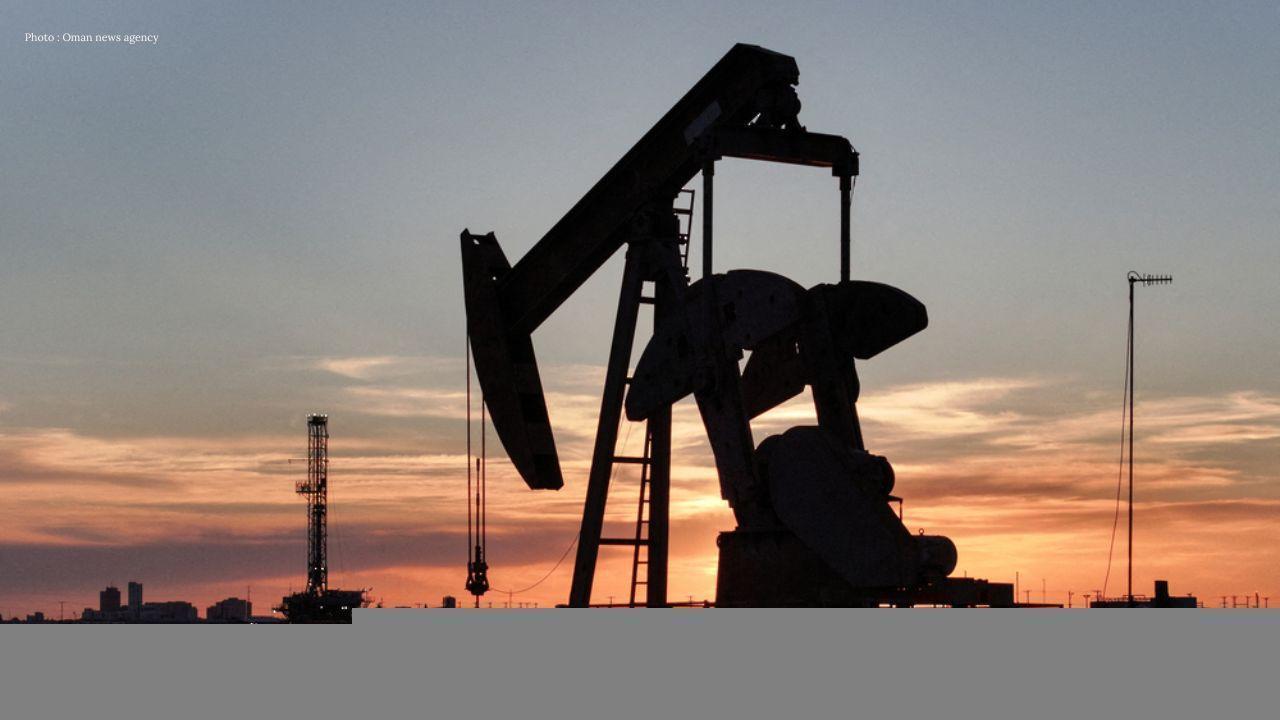
Iran is enhancing its governance over the Strait of Hormuz, a vital channel for global oil transport, raising alarms among international energy markets and Western nations. This strait links the Persian Gulf with the Gulf of Oman and the Arabian Sea, and traditionally, about 20% of the world's crude oil transits through this narrow passage. Any disturbances in this region can have immediate repercussions on global fuel prices, shipping expenses, and international commerce.
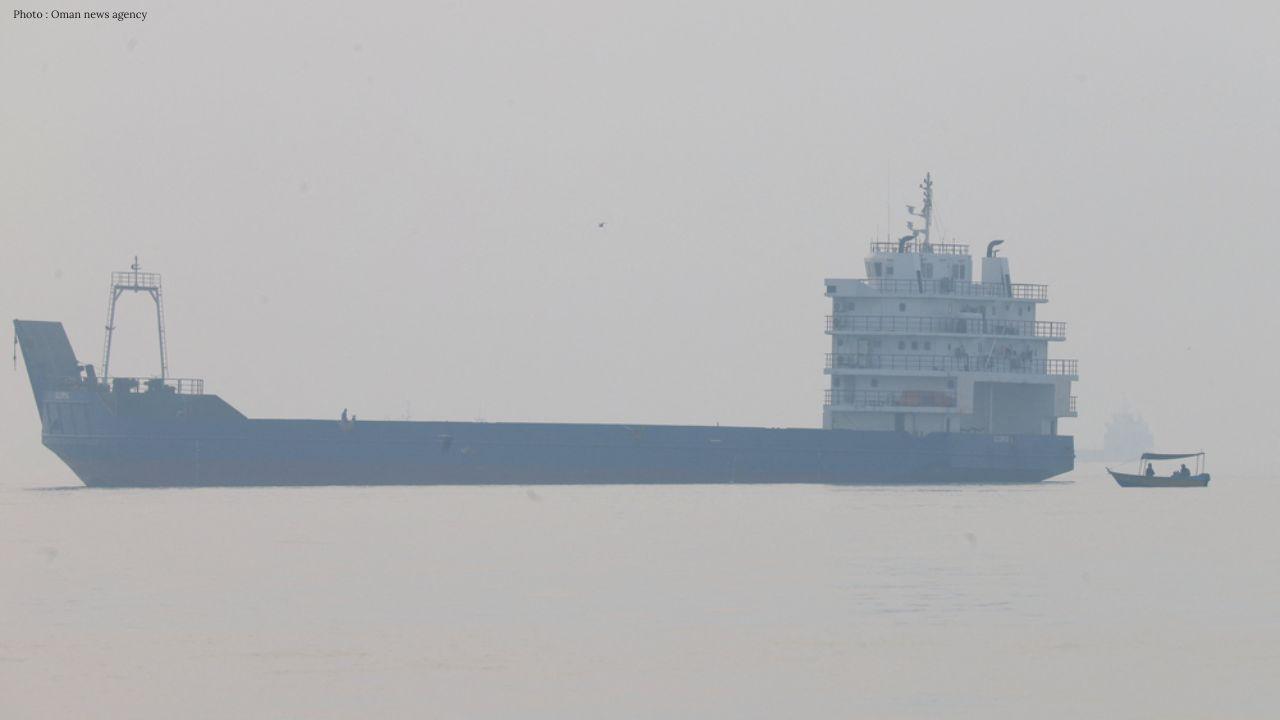
Recent analyses reveal that Iran has implemented a more rigorous protocol for vessels navigating through the strait. Commercial ships must now obtain authorizations from Iranian authorities before traversing designated zones, which necessitates submitting details about their cargo, crew, and intended routes for evaluation. Experts note that the Islamic Revolutionary Guard Corps (IRGC) is increasingly involved in overseeing vessel movements in the area.
Additionally, Iran has launched a new body called the "Persian Gulf Strait Authority" to oversee maritime traffic and provide transit approvals. Analysts assert that this initiative aims to formalize Iran's authoritative role over the waterway and bolster its negotiating leverage amid ongoing regional tensions with the U.S. and its allies. As a result, there is escalating apprehension from shipping firms and governments, fearing that Iran is redefining the strait as a controlled zone rather than an open international passage.
Reports indicate that ships affiliated with countries that have robust diplomatic relations with Iran, such as China, Russia, India, and Pakistan, are being granted smoother passage through the waterway. Conversely, other vessels might encounter delays, inspections, or extra fees before they are permitted to cross. Some shipping companies have reportedly paid substantial unofficial "fees" for safer navigation through the strait, which Iran asserts are security measures to safeguard regional waters amidst tense military relations.
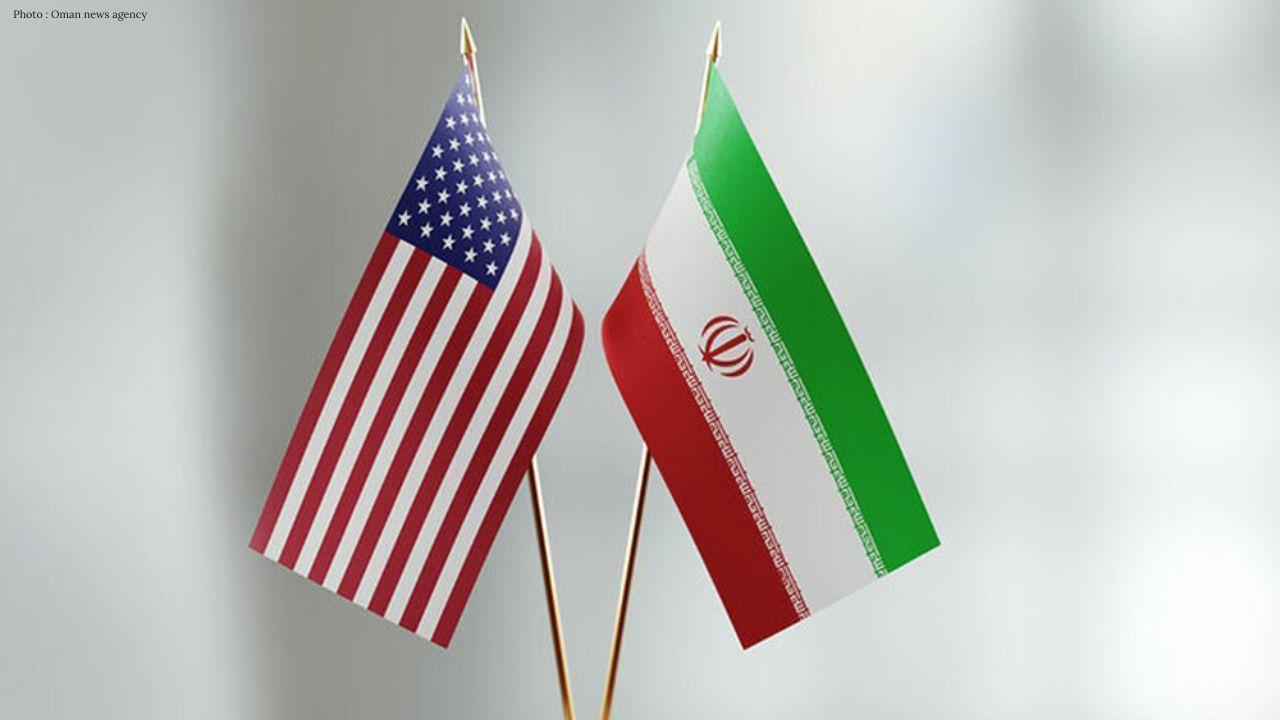
This tightening of control follows escalating hostilities in the Middle East involving Iran, Israel, and the United States. Iran has consistently issued warnings about foreign military operations close to its shores as threats to regional security. In reaction, Tehran has intensified naval patrols and surveillance initiatives throughout the strait. Analysts suggest that Iran is leveraging its geographical position as a strategic maneuver to exert pressure on Western nations while defending its own regional interests.
The effects on global trade and energy sectors are already apparent. Oil transports through the Strait of Hormuz have markedly decreased in recent months, while shipping insurance rates and transit charges have surged. Energy experts caution that continued tensions may drive up fuel costs globally. Certain Gulf nations, notably the United Arab Emirates, are taking steps to lessen reliance on the strait by developing alternative oil export routes beyond the Gulf.
Moreover, security analysts point out that the current dynamic illustrates the challenges global powers face in ensuring safe maritime transit through the waterway. Despite military escorts from the U.S. and allied naval forces, numerous commercial shipping companies remain hesitant to operate in the region due to potential threats posed by drones, naval mines, missile strikes, and Iranian inspections.
Historically, the Strait of Hormuz has been recognized as one of the world's most critical geopolitical chokepoints. Iran’s increasing authority over this route is perceived as both a tactic for military strategy and an economic leverage point. As diplomatic discussions between Iran and Western entities continue, the future of global oil transport through this strait is uncertain, keeping international markets and governments alert.


 English