Post by : Saif
Al-Najjar
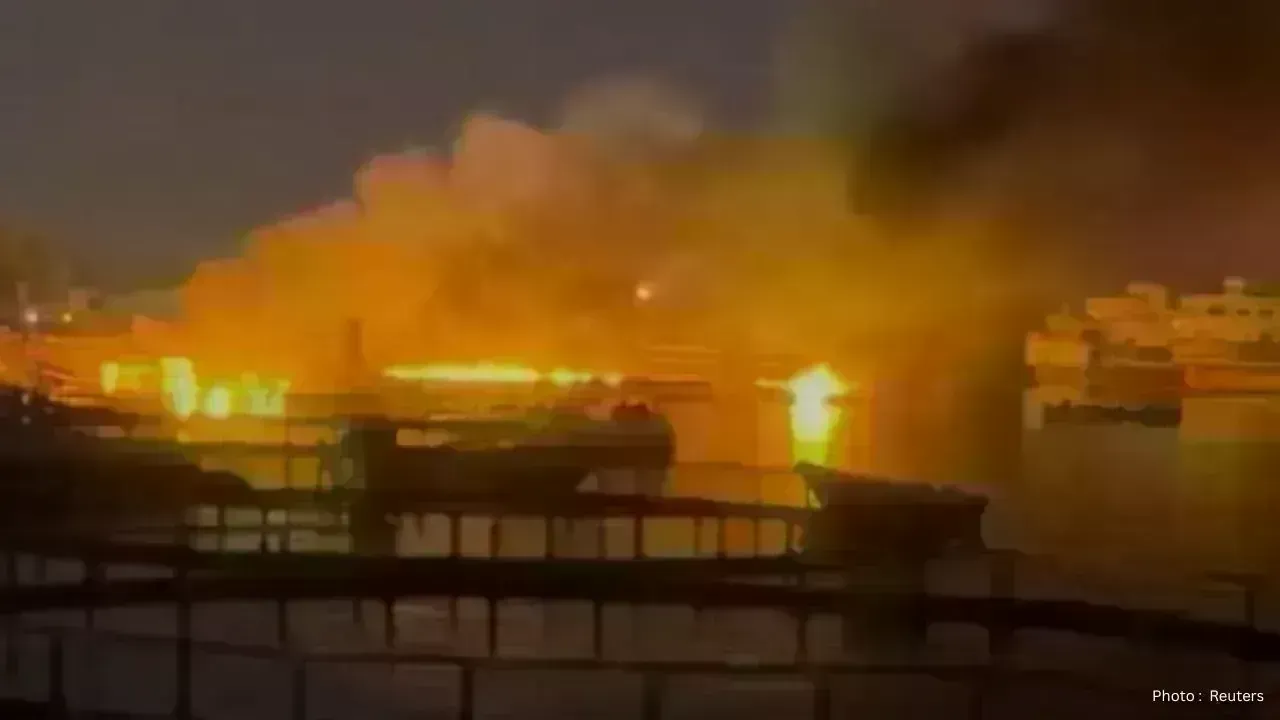
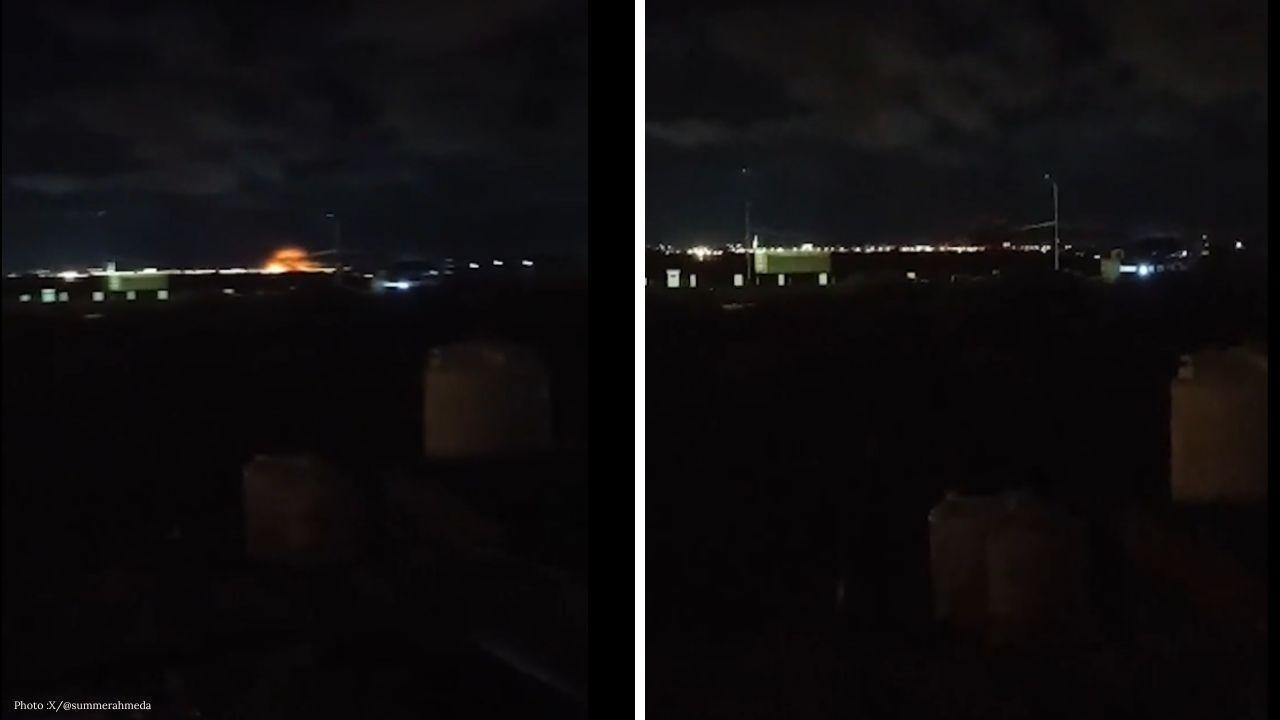
In response to a second day of US airstrikes on its military installations, Iran has executed missile and drone assaults on military targets in Kuwait and Bahrain. This flare-up has significantly intensified tensions in the region, prompting fears of a broader conflict.
Officials reported that these strikes specifically targeted sites connected to the US military's presence in the Gulf. As warning sirens echoed, air defenses in both Kuwait and Bahrain were initiated, successfully intercepting a number of missiles and drones before they could inflict damage. Meanwhile, local authorities advised civilians to stay indoors as security assessments were underway.
US Conducts Renewed Air Operations
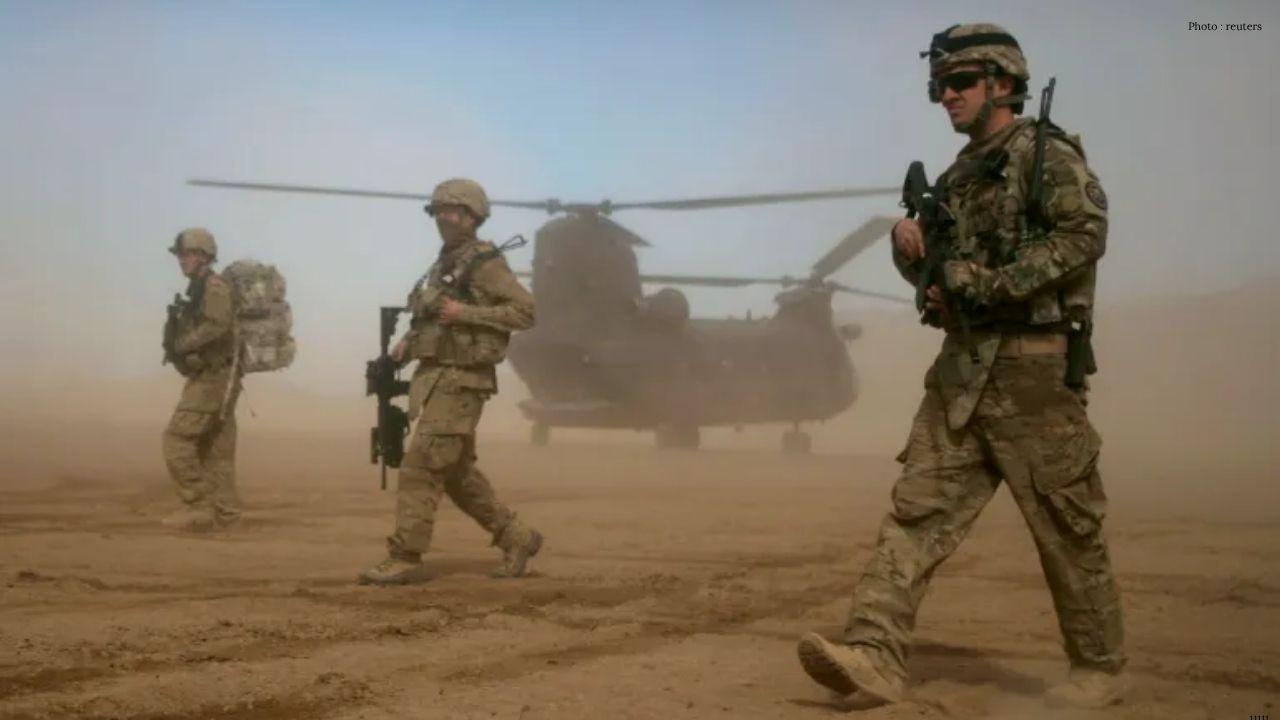
This latest Iranian response came after the US carried out a new set of military operations against Iranian assets. The US government stated that the strikes aimed to diminish Iran's military capabilities in reaction to recent threats to commercial vessels and security interests in the Gulf. American officials assured that these operations were precisely aimed to minimize civilian harm.
Amid escalating tensions, the United States has heightened its military posture in the area. Enhanced surveillance and defensive protocols have been initiated to secure American personnel stationed in the Gulf.
Iran Justifies Its Military Responses
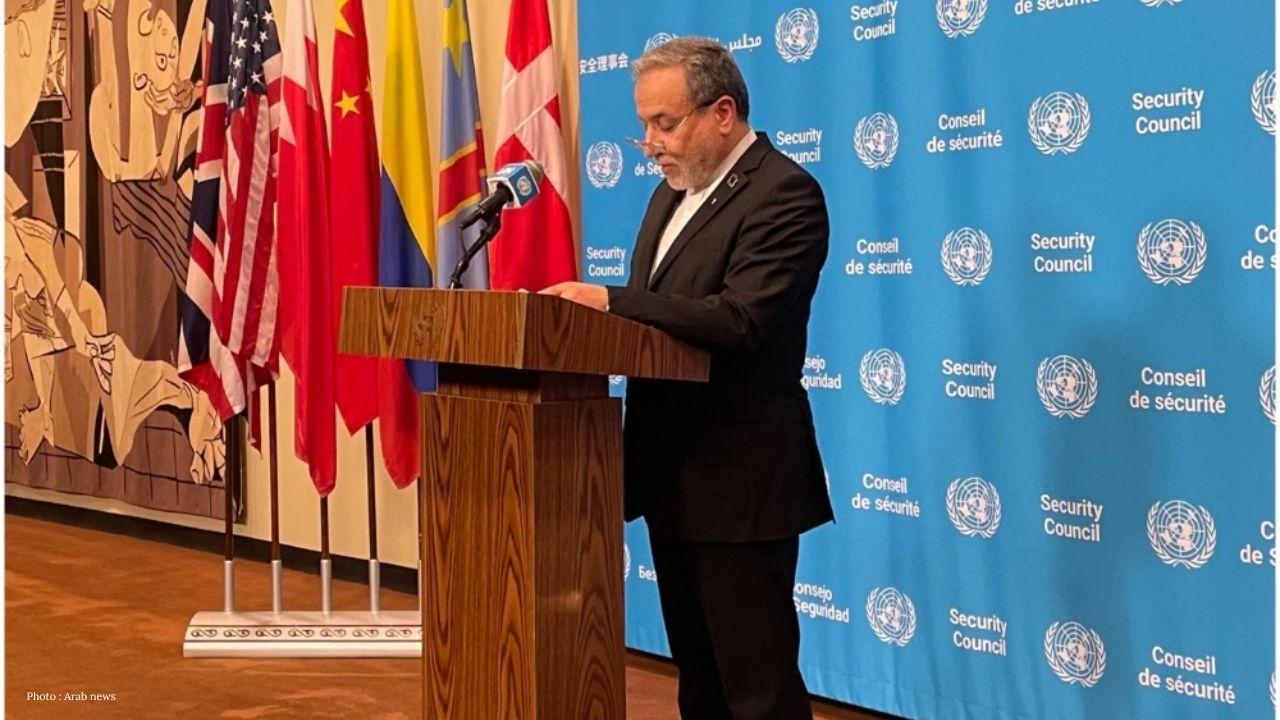
Iran condemned the US strikes as a violation of national sovereignty, asserting that their missile and drone actions were direct measures against ongoing US military hostility. Tehran warned that any future American assaults would result in further retaliation targeting US military assets across the region.
Heightened Security Measures Across the Region
With both Kuwait and Bahrain being key locations for US military operations, security forces have escalated their alertness. Military bases in these countries have adopted stricter security measures in response to the attacks.
Authorities have confirmed that airports are functioning under increased security protocols, with emergency response units on alert. Neighboring Gulf nations have also ramped up their surveillance operations and are working closely with defense partners to monitor regional airspace.
Concerns Surrounding the Strait of Hormuz
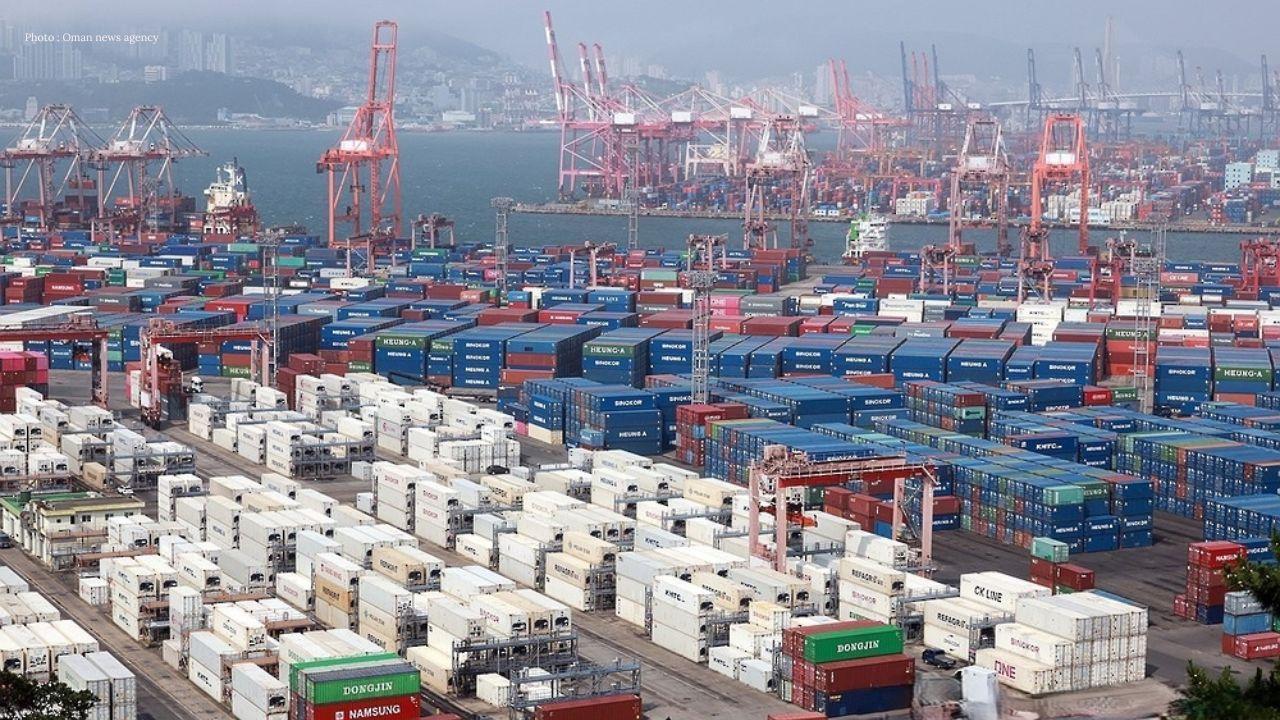
The recent tensions have raised alarms about security in the Strait of Hormuz, a vital artery for global energy shipping. Disruptions in this critical passage could have serious implications for worldwide oil supplies and trade.
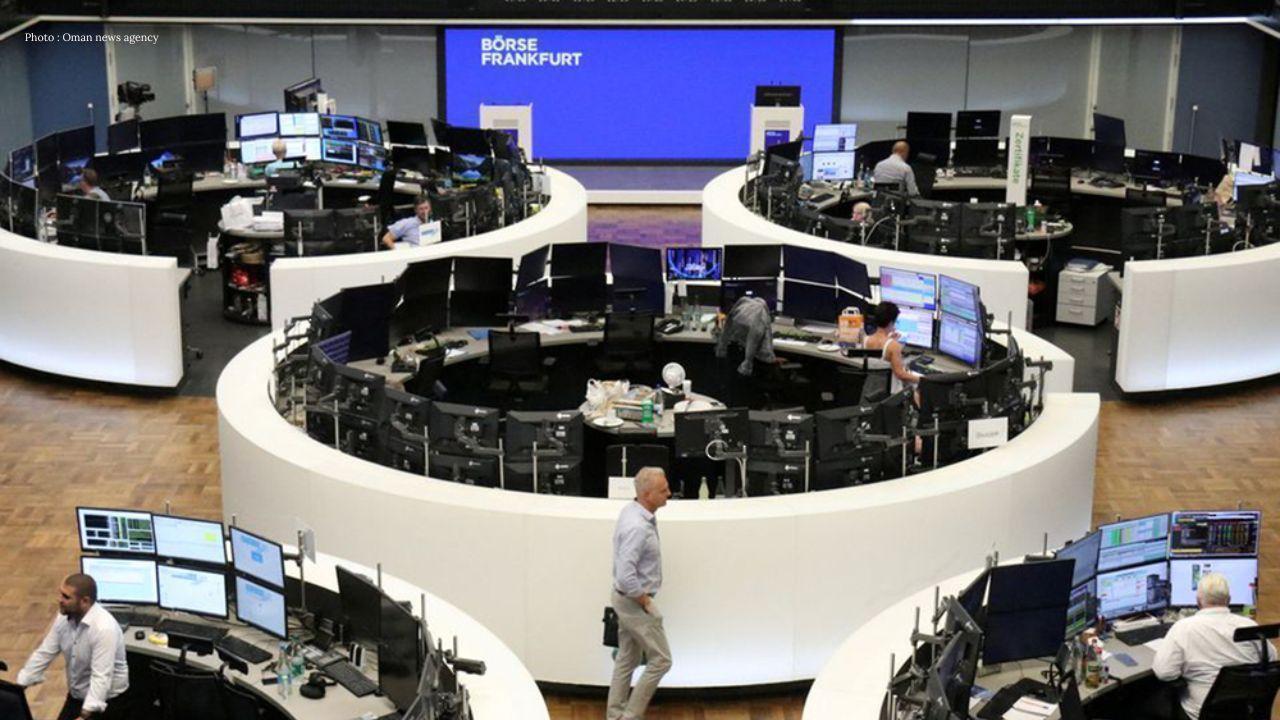
Energy markets have reacted swiftly, with rising oil prices fueled by fears of potential supply interruptions. Analysts caution that an extended military standoff in the Gulf could lead to significant economic fallout for nations reliant on Middle Eastern energy exports.
International Appeals for De-escalation
Various governments and global entities have called on both Iran and the United States to engage in diplomatic talks to avert further military escalation. World leaders have cautioned that ongoing aggression could destabilize the Gulf region, increasing the risk of an extensive conflict.
Efforts to restore dialogue are anticipated as regional and international stakeholders strive to avert a security crisis.
Future Uncertainty Persists
Analysts indicate that the upcoming days will be crucial in determining whether the situation can be contained or spirals into a broader regional crisis. Both Iran and the US are maintaining robust military postures and continue to issue warnings, contributing to an atmosphere of uncertainty.
Governments throughout the Middle East are on high alert as international observers keep a close watch on unfolding events. With diplomatic discussions ongoing alongside military readiness, the global community hopes for a peaceful resolution to this escalating conflict.


 English