Post by : Saif
Al-Najjar
The recent missile operations by Iran aimed at Kuwait and Bahrain have escalated security concerns in the Gulf region, adding to the existing geopolitical tension. This military response follows US strikes on Iranian radar installations, intensifying worries that the hostilities between Tehran and Washington could extend further.
This incident illustrates the ongoing contest for dominance and security in the Middle East. The Gulf's strategic significance—essential for international trade and energy access—ensures that military engagements attract widespread scrutiny from global observers. Any escalation here has implications that reverberate far beyond the immediate nations involved.
Reports indicate that the missile launches were a direct reaction to US military actions targeting radar systems within Iran's coastal defense framework. This move was prompted by security threats in waters near the vital Strait of Hormuz, which is critical for the transportation of oil and gas, making stability in this area paramount for global economic interests.
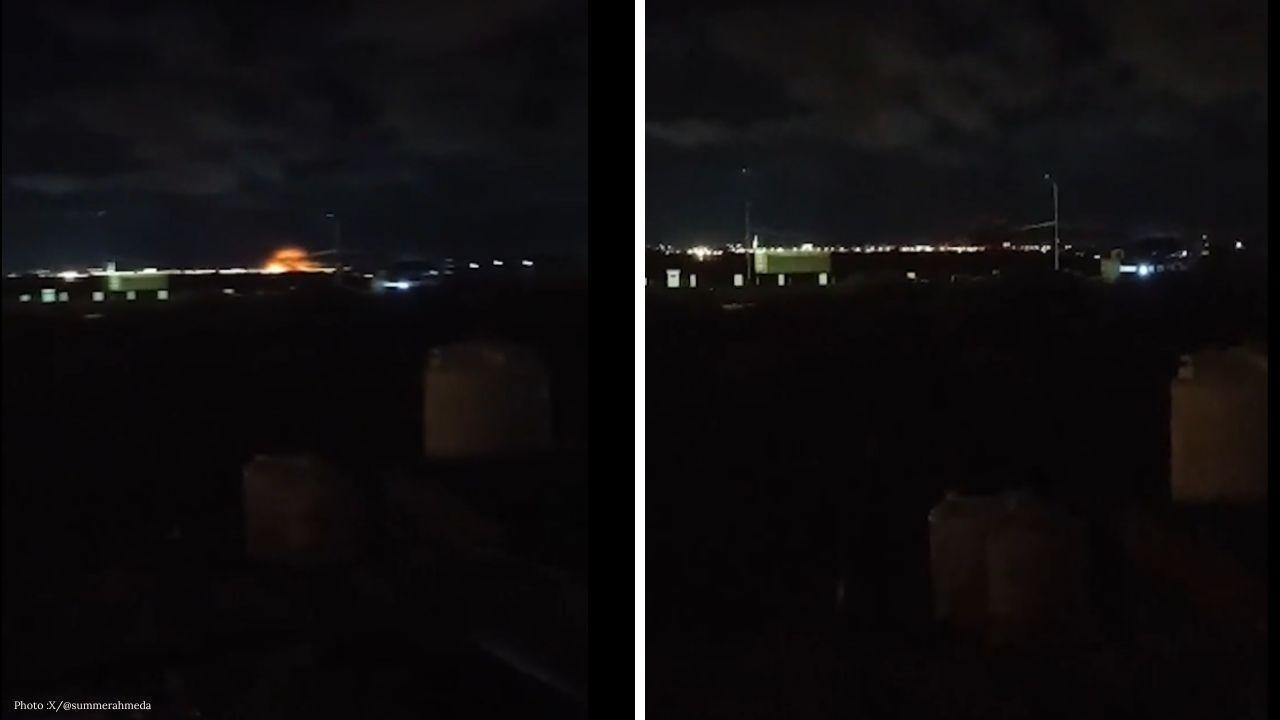
As Iran perceived the US operations as a frontal challenge, its response involved missile strikes aimed at sites linked to Kuwait and Bahrain. Regional defense mechanisms were activated instantly, and security agencies took rapid steps to evaluate the situation. Authorities made concerted efforts to safeguard both public safety and military assets.
Although the immediate fallout seemed limited, this scenario underscores the rising dangers tied to military engagements in the Gulf. Modern conflicts can escalate swiftly, especially when diverse nations and interests are involved. Even minor incidents can potentially incite significant political and diplomatic tensions.
Kuwait and Bahrain play crucial roles in the regional security landscape, hosting essential military bases and forging robust international partnerships. Therefore, any threats to their sovereignty garner attention from global powers concerned about a potential larger destabilization.
This situation also emphasizes the criticality of the Strait of Hormuz in global trade. It serves as the principal route for millions of barrels of oil daily, linking Middle Eastern producers with markets in Asia, Europe, and beyond. Investors and energy corporations closely monitor developments in the Gulf, as disruptions can impact fuel prices and trigger economic repercussions worldwide.
Leaders in the region now face the challenge of preventing further conflicts while ensuring national defense. Many Gulf nations have consistently advocated for dialogue and peaceful resolution strategies. Achieving stability remains a central focus, as economic growth, tourism, and international investment are inherently tied to a secure environment.
Security analysts often indicate that cycles of retaliation pose long-term challenges. A military escalation can incite further responses, creating a cycle that is hard to break. Effective communication and diplomatic engagement are essential to managing such scenarios, which is why international observers often call for restraint during these tense periods.
The unfolding events also spotlight the overarching geopolitical contests that are influencing the Middle East. Military alliances, strategic rivalries, and security concerns continue shaping government actions across the region. This dynamic means that localized incidents can swiftly escalate into significant international issues.
For everyday citizens, heightened tensions often bring about uncertainty. Concerns regarding safety, travel restrictions, and economic stability can impact daily living conditions. There is a collective hope among Gulf communities that leaders will prioritize actions to avoid further escalations and mitigate the risk of a broader conflict.
The international community is expected to maintain its push for all parties to seek diplomatic avenues. While military responses may address urgent security issues, long-term stability relies on communication and negotiation to diminish misunderstandings between competing powers.
Iran's missile actions towards Kuwait and Bahrain serve as a stark reminder of the fragility of regional security. Although the situation has not spiraled into an extensive conflict, it underscores the necessity for diplomatic efforts to prevent further tensions. The upcoming weeks will be pivotal as governments deliberate their strategies to secure stability in the Gulf.


 English