Post by : Shweta
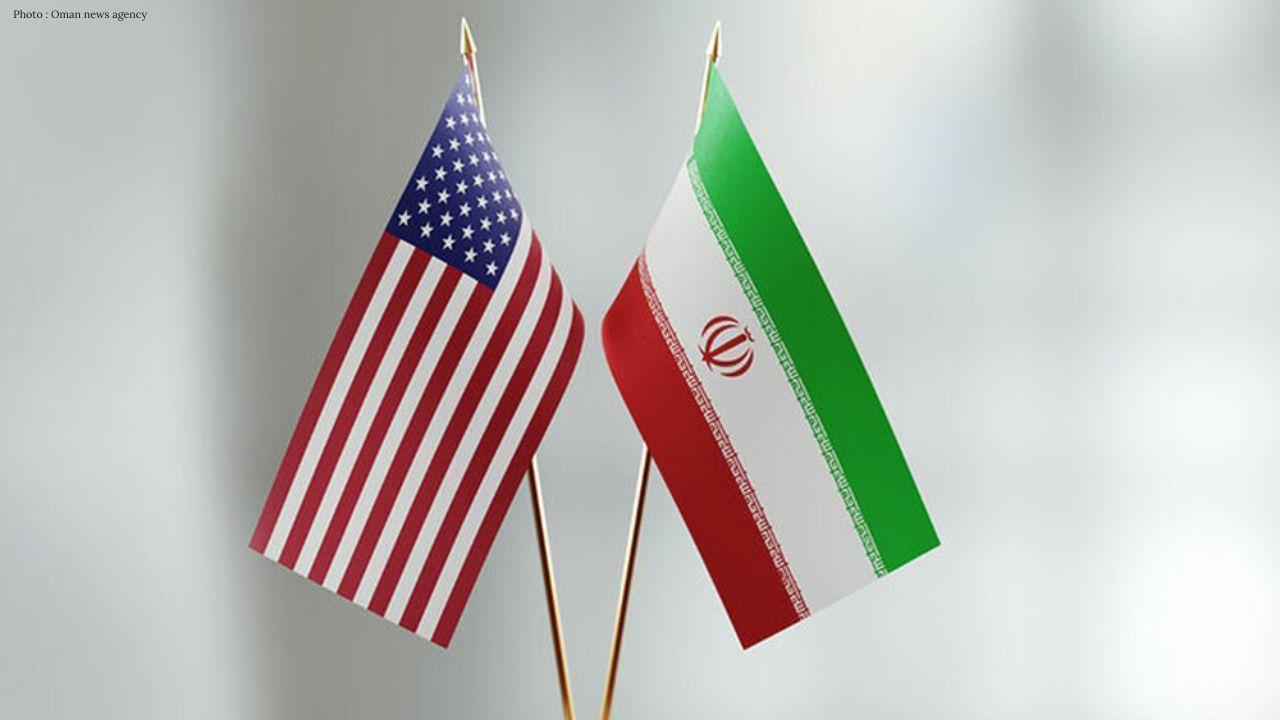
In the latest turn of events in the Middle East, Iran has issued grave warnings regarding the safety of regional ports, coinciding with the U.S. Central Command's announcement of a forthcoming naval blockade. This development follows unsuccessful ceasefire negotiations between Iran and the United States, heightening fears of an escalating conflict.
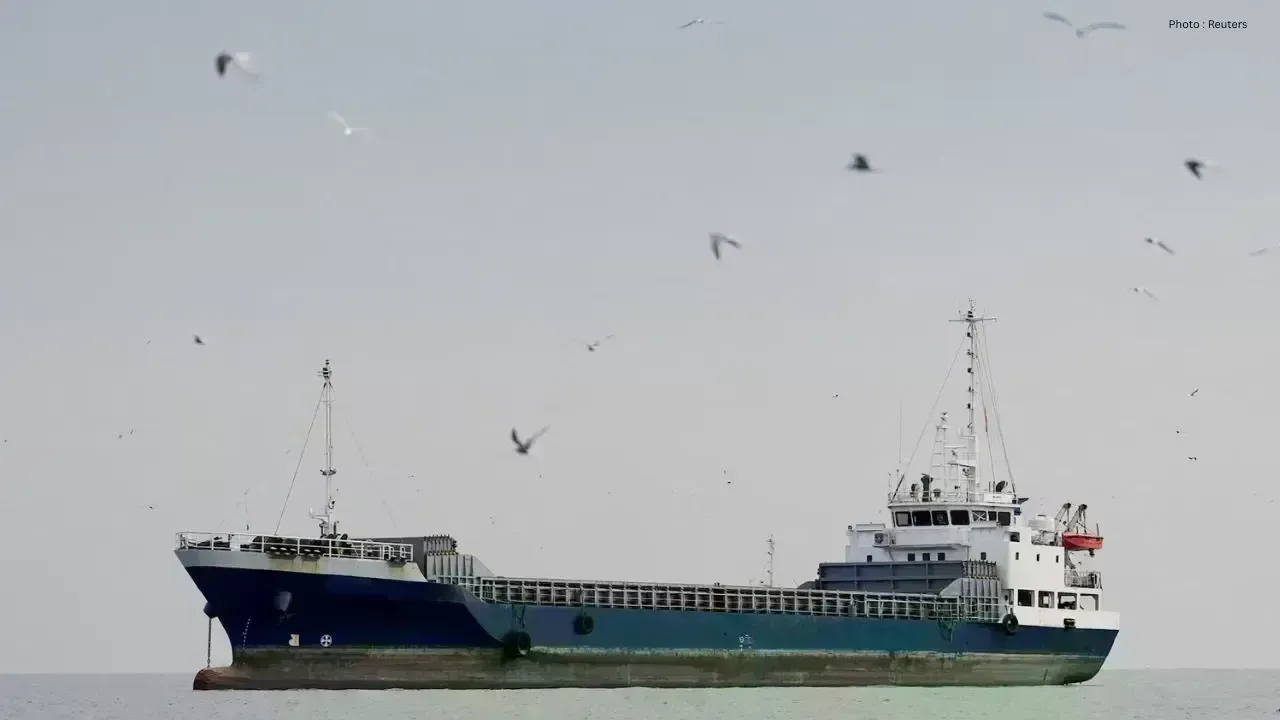
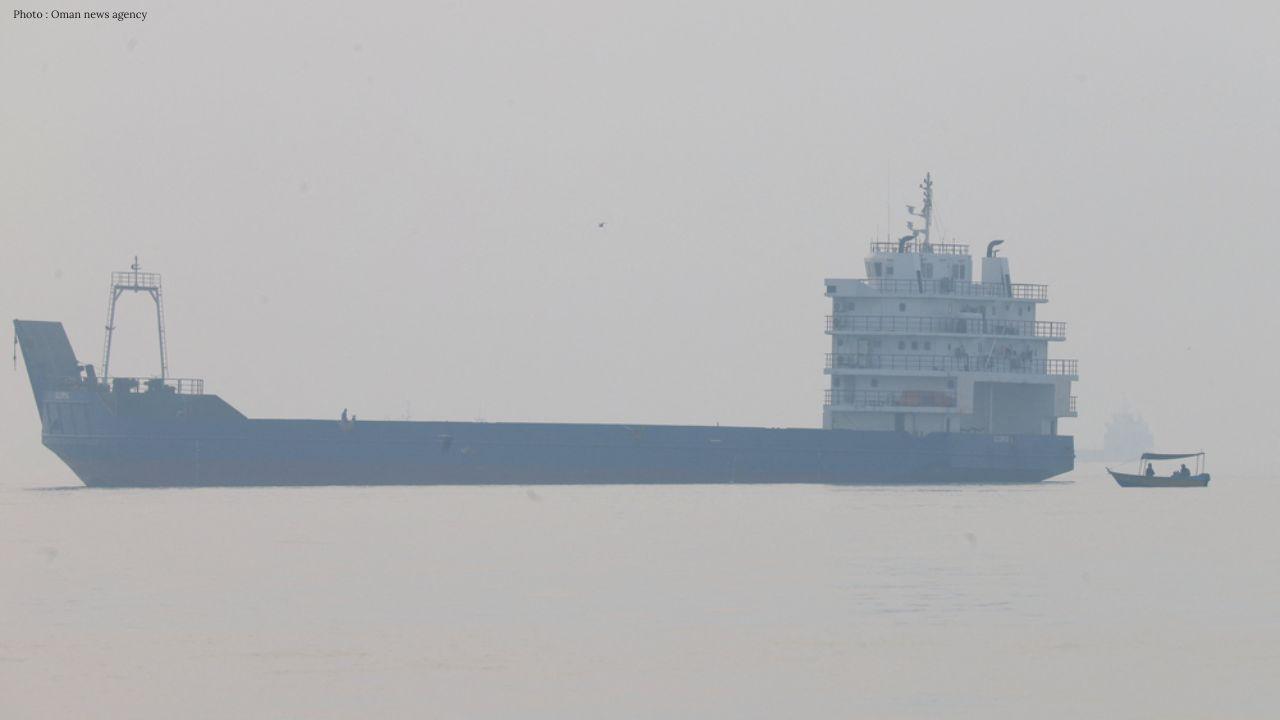
The U.S. military plans to block maritime traffic associated with Iranian ports starting Monday, focusing on strategic areas along the Persian Gulf and the Gulf of Oman. This blockade will impact not just Iranian vessels but those of all nations interacting with Iranian ports, although ships navigating between other ports will still be permitted to traverse the Strait of Hormuz.
Responding to this situation, Iranian military officials declared that should Iran's security not be assured, the safety of all ports in the vicinity remains in jeopardy. Such remarks hint at potential retaliatory actions that could disrupt vital shipping lanes and infrastructures across the Gulf.
This maritime blockade comes after high-stakes peace discussions in Islamabad that failed to yield an agreement. JD Vance, leading the U.S. contingent, cited fundamental disagreements, particularly regarding Iran’s nuclear ambitions. U.S. officials demand that Iran cease its nuclear program, while Iran has dismissed these stipulations, accusing Washington of making unreasonable demands.
Former President Donald Trump has backed the decision to amplify pressure on Iran, asserting that firmer tactics are essential to entice Tehran back to the negotiating table. He further indicated that if hostilities persist, military action remains a viable option.
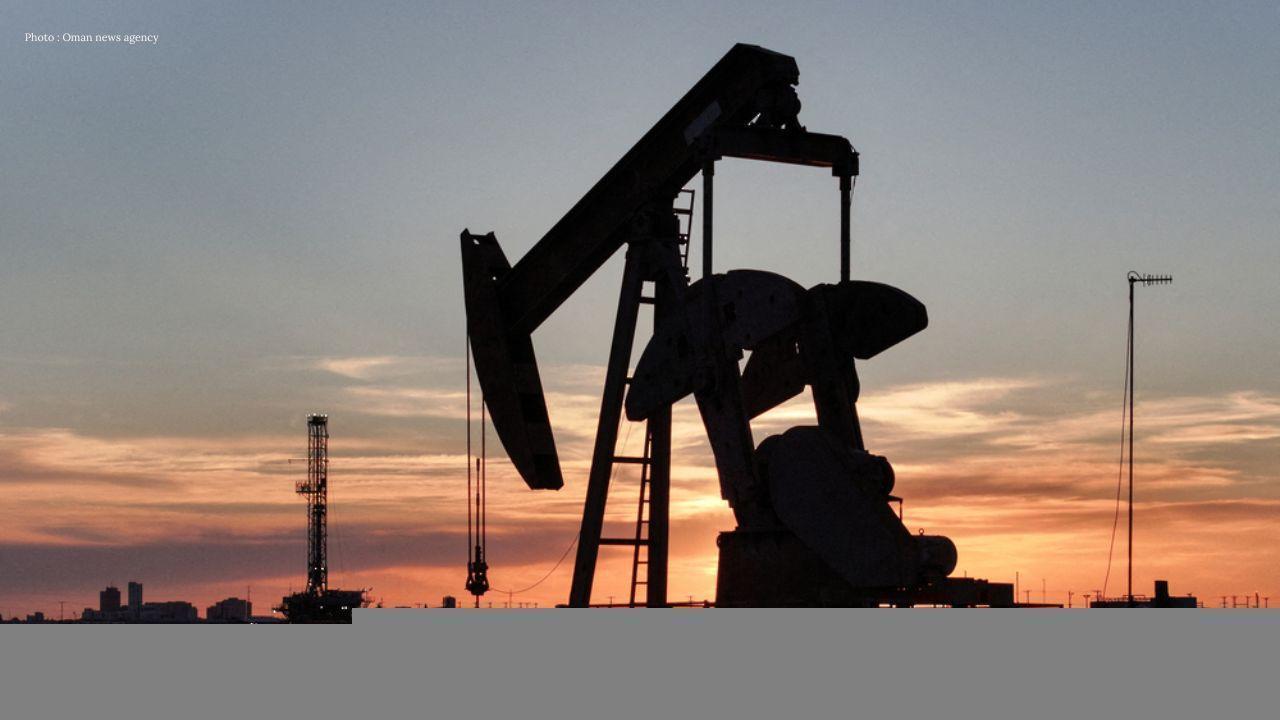
The announcement has already had repercussions in global markets, with a noticeable spike in oil prices, as the Strait of Hormuz is crucial for global energy transit, channeling approximately 20% of worldwide oil shipments. Interruptions in this area could lead to severe global economic ramifications.
Meanwhile, calls for restraint from international figures persist. UK leader Keir Starmer emphasized that the UK won't participate in the blockade and highlighted the urgency for diplomatic resolutions. Other nations and organizations are also advocating for both parties to recommence dialogue and avert further conflict.
Despite these mounting tensions, both Iran and the United States have left the door open for future discussions. However, as the ceasefire approaches expiration, uncertainty lingers regarding the next developments in this substantially tense geopolitical landscape.


 English