Post by : Shweta
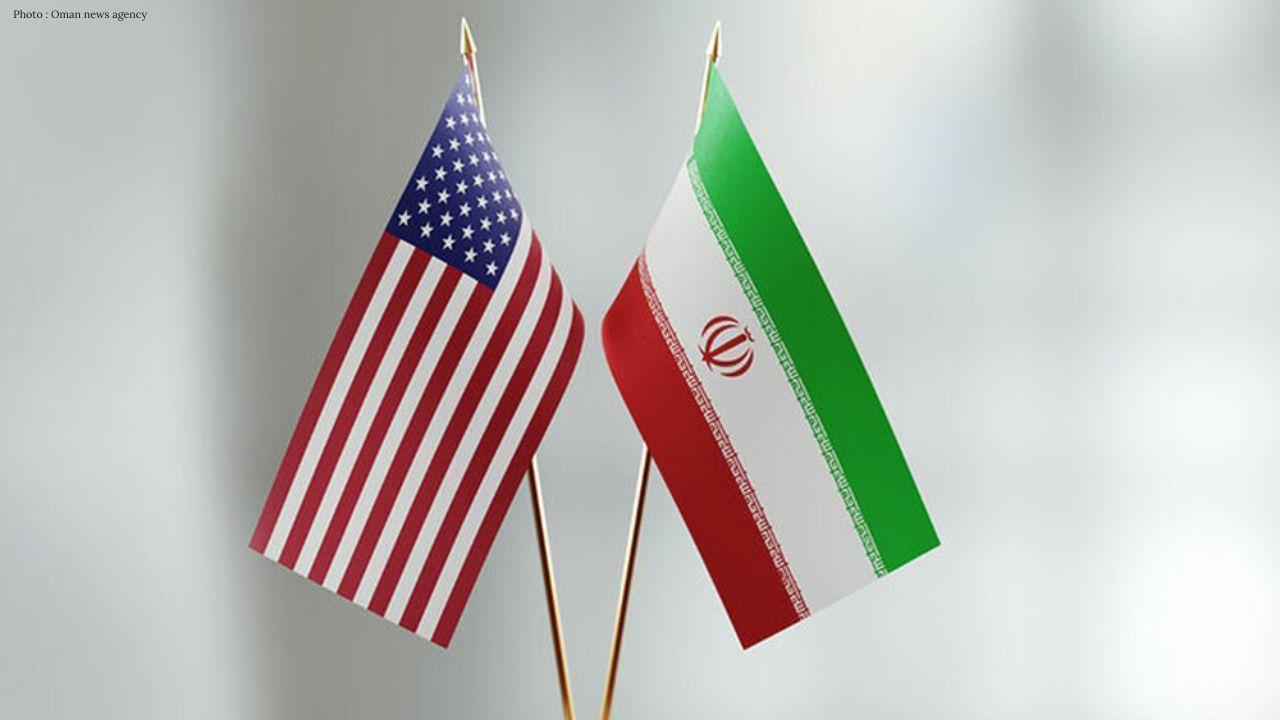
Iran is in the process of evaluating a new proposal from the United States aimed at resolving the ongoing regional conflict, while Pakistan enhances its diplomatic initiatives to foster peace talks between the involved parties. These developments occur during a delicate period marked by high tensions, despite indirect negotiations and intermittent ceasefire efforts.
Sources indicate that Iranian officials have confirmed Tehran's receipt of the recent American proposal and are meticulously analyzing its details prior to formulating a response. Esmaeil Baghaei, spokesperson for Iran's Foreign Ministry, stated that the proposal is under careful consideration, with an official response likely to be communicated via Pakistani mediators participating in the dialogue.
Pakistan has taken on a pivotal diplomatic role amid the growing crisis, establishing itself as a mediator between Washington and Tehran. Reports suggest that both military and political leaders in Pakistan have intensified communications with both nations to avert any further escalation of the conflict. The Pakistani Army Chief, Asim Munir, is anticipated to engage in discussions with Iranian representatives as part of the mediation process.
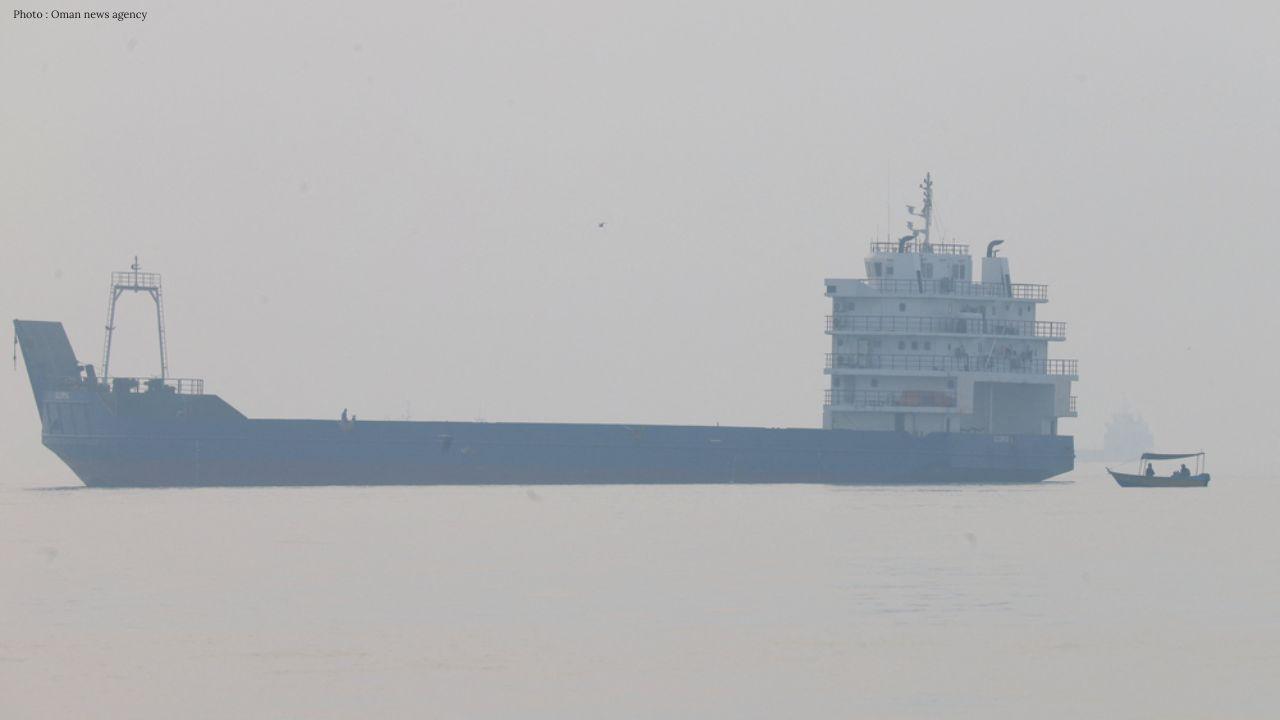
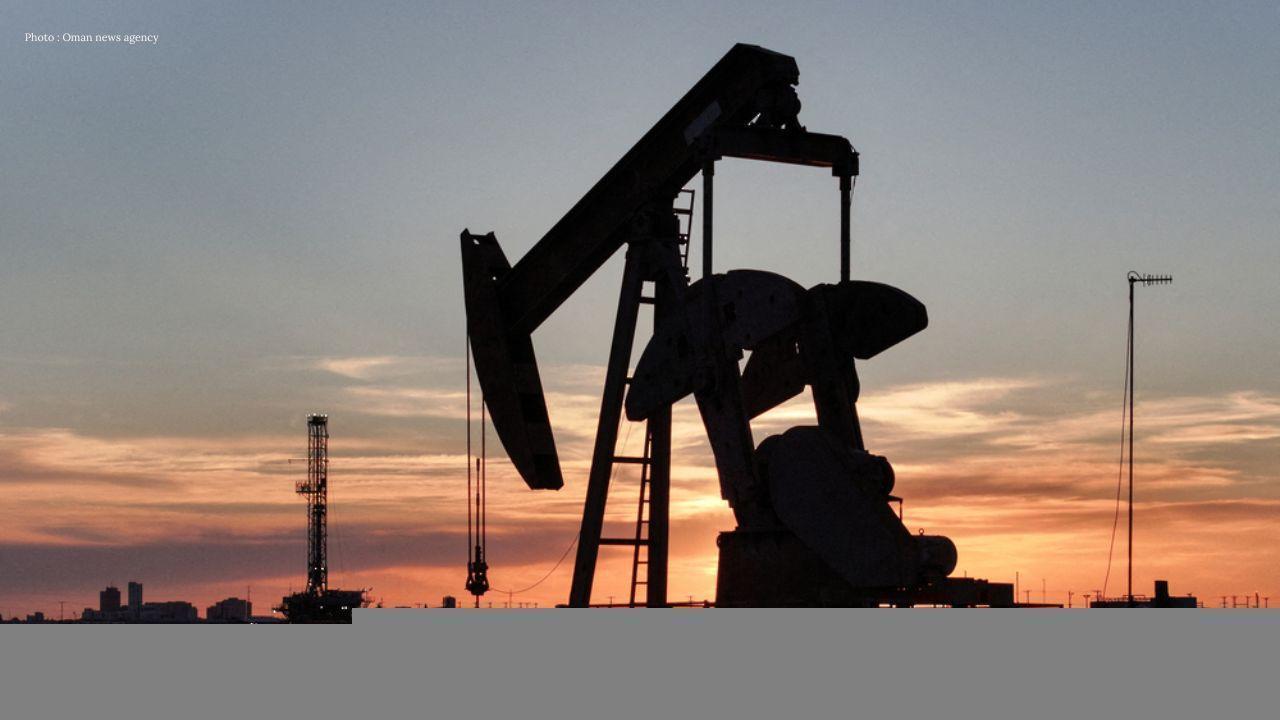
Proposed peace negotiations are concentrating on several critical matters, including regional security, relief from sanctions, military tensions, and the strategic significance of the Strait of Hormuz, a vital channel for global oil shipping. Iran has allegedly requested assurances against future assaults, reparations for war-induced damages, and lifting restrictions hindering its economy and oil exports.
On the other side, the United States is advocating for more stringent conditions concerning Iran’s nuclear activities and military influence within the region. American officials are reportedly demanding limits on Iran's uranium enrichment endeavors and enhanced security commitments prior to agreeing on a long-term resolution.
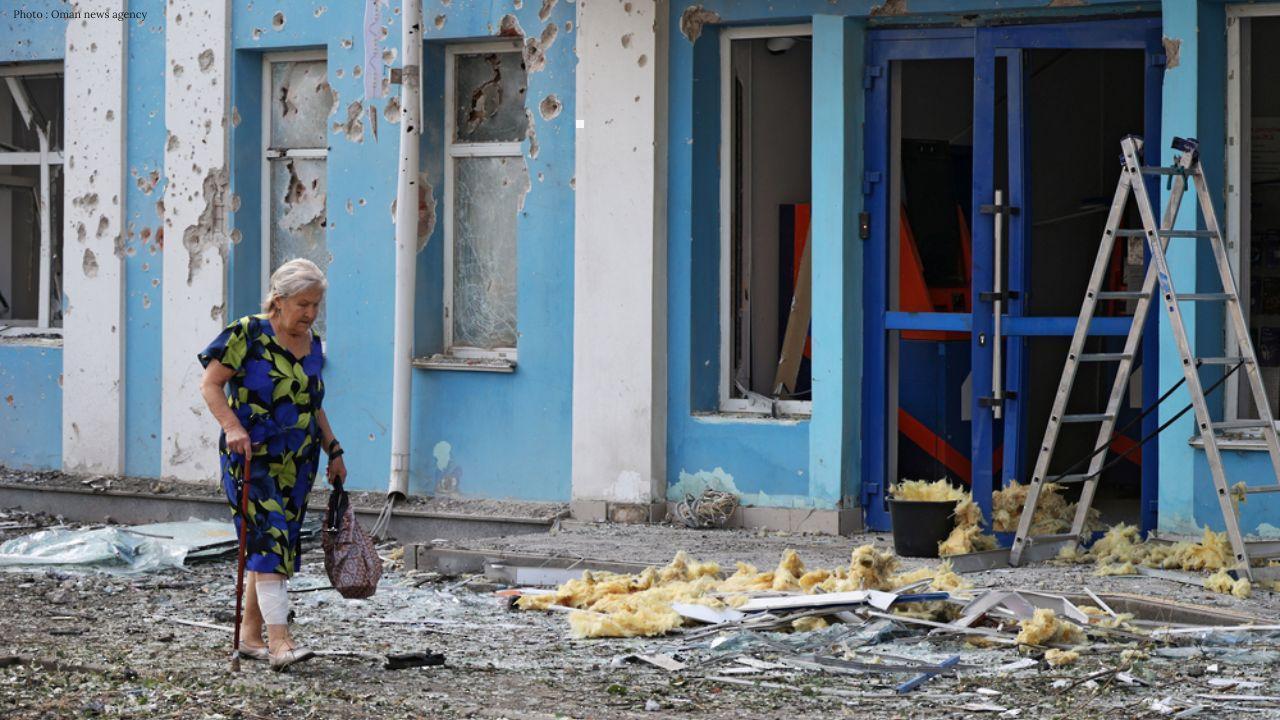
Despite recent temporary ceasefires reducing direct hostilities, tensions remain fragile. Reports suggest lingering mutual distrust and unresolved issues relating to sanctions, military actions, and nuclear discussions. Experts indicate that the negotiations may be at a decisive juncture that might determine whether diplomacy succeeds or if military tensions will reignite.
International interest has surged regarding Pakistan's expanding role in the discussions. The country strives to position itself as a neutral mediator capable of preserving lines of communication with both Iran and the United States. Pakistani officials have consistently encouraged dialogue, regional stability, and peaceful resolutions, as opposed to military confrontations.
Analysts assert that the results of these negotiations could significantly impact global oil prices, Middle Eastern security, and international diplomatic relationships. Progress towards peace may stabilize the area and alleviate concerns regarding broader conflicts involving various nations. Conversely, failure in talks might heighten military tensions and induce economic unpredictability in global markets.


 English