Post by : Saif
Al-Najjar
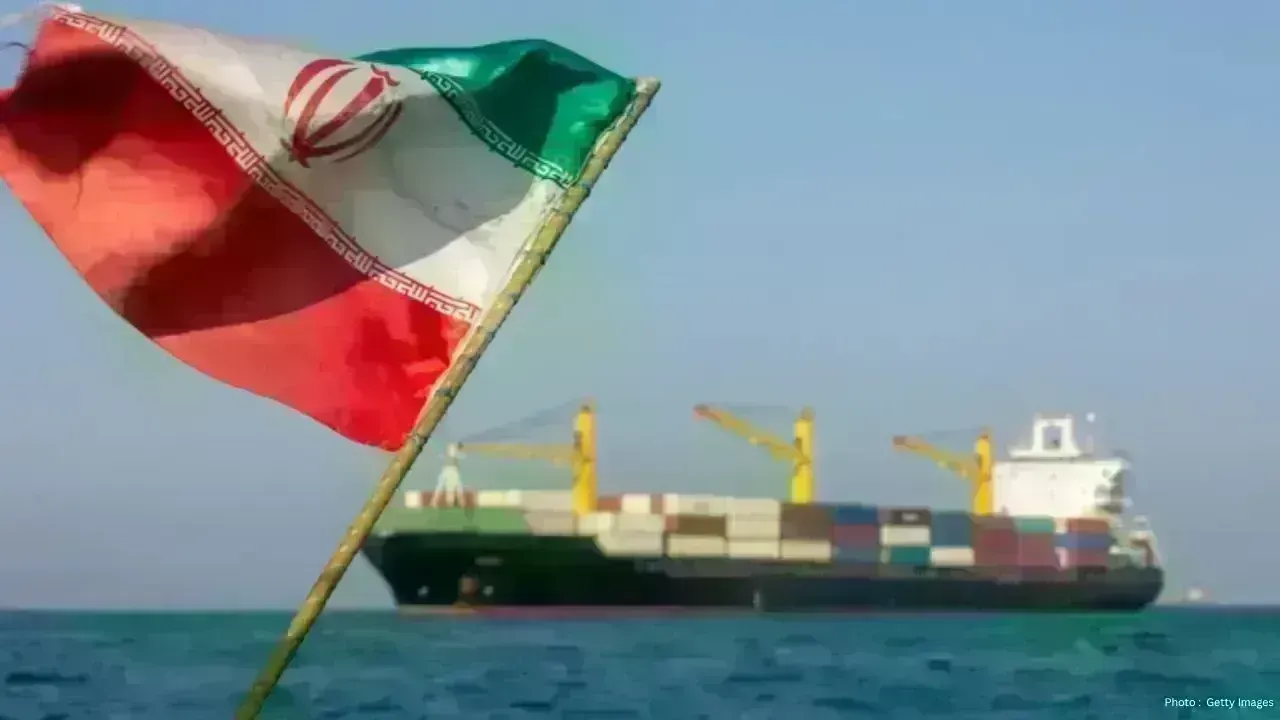
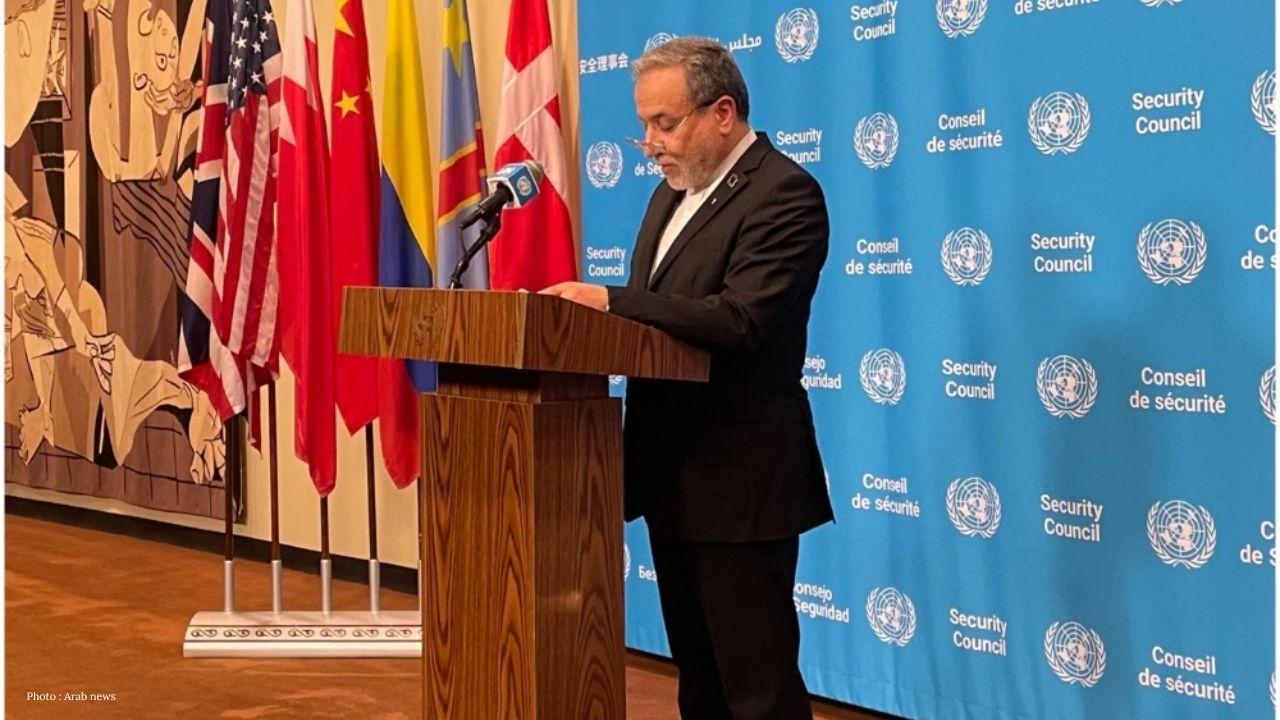
Iran is deliberating a prospective political agreement focused on alleviating regional conflicts; however, persistent skepticism towards the United States heavily influences these internal discussions and diplomatic strategies. This scenario echoes years of strained relations characterized by sanctions and military tensions throughout the Middle East.
Within Iran's leadership, there exists a split perspective on approaching any potential understanding with Washington. Some officials assert that diplomatic engagement could alleviate pressure on the nation’s economy and mitigate regional instability, yet others express caution, recalling past agreements that resulted in disappointment and diminished trust.
The current discourse unfolds amidst significant turmoil in the Middle East, where varying conflicts exacerbate instability. The climate of political uncertainty, military actions, and economic strains has amplified international calls for constructive dialogue and de-escalation.
Iranian leadership emphasizes that safeguarding national security and sovereignty remains paramount in all future negotiations. Officials frequently contend that ongoing foreign pressure and sanctions have undermined trust and hampered progress in diplomacy.
The complexities of US-Iran relations have persisted for decades, with disagreements over nuclear policies and regional dominance leading to numerous confrontations and disrupting diplomatic initiatives. Historical agreements between the two nations have often faced considerable setbacks, fueling skepticism among political entities and the populace.
The debate surrounding economic issues is crucial at this time. International sanctions have curtailed trade, investment, and financial stability within Iran, thereby increasing pressure on both businesses and the general public. With rising prices and economic unpredictability, there is intensified public discourse on the country's strategic course.
Simultaneously, numerous Iranian political factions harbor concerns about over-relying on Western commitments. Detractors recommend that diplomatic resolutions incorporate explicit guarantees and commitments to long-term cooperation from all relevant parties.
International authorities underscore the need for dialogue among nations to preclude further regional instability. Various governments and organizations advocate for diplomatic endeavors aimed at mitigating broader military confrontations in the Middle East.
The broader dynamics of regional conflicts—including those involving armed factions, neighboring states, and global players—continue to influence political deliberations throughout the area. Events occurring in Gaza, Lebanon, Syria, and the Gulf region shape these calculations significantly.
Security experts indicate that rebuilding trust between Iran and the US remains a formidable challenge, conditioned by years of political hostilities and unsuccessful negotiations. Even when dialogues reinitiate, both parties may question the permanence of any agreements amid future political shifts.
Public sentiment in Iran appears fractured; while some citizens advocate for negotiations that could enhance economic conditions and curtail international isolation, others remain skeptical based on prior experiences demonstrating that diplomatic assurances may not yield lasting results.
Experts caution that continuous regional instability may yield dire humanitarian and economic repercussions. Military escalations particularly impact civilians, resulting in infrastructure damage, trade disruptions, and heightened insecurity.
The prospect of any forthcoming agreement is recognized not merely as a diplomatic concern but also as a significant factor linked to economic revitalization and regional security. Enhanced relations could potentially alter trade dynamics, energy markets, and collaborative political endeavors across the Middle East.
Political analysts suggest that successful negotiations necessitate patience, effective communication, and realistic expectations from all stakeholders. Restoring confidence after decades of hostility cannot materialize overnight and will likely demand a gradual approach.
International diplomatic negotiations involving Iran have historically confronted challenges arising from governmental transitions, regional strife, and fluctuating foreign policy focuses. These elements have often impeded dialogues and eroded confidence in sustainable agreements.
Nonetheless, many global leaders persist in endorsing diplomatic efforts as the most viable strategy to avert widespread conflict, as military solutions are generally seen as improbable pathways to enduring peace.
The ongoing discussions within Iran mirror broader inquiries about security, economic resilience, and international relations in the Middle East. Decisions taken in the coming months may significantly affect regional politics and diplomatic interactions beyond the immediate conflict zones.
All eyes will now be on the progression of negotiations and the responses from both Tehran and Washington to forthcoming developments. The resulting implications could play a crucial role in shaping regional stability and international diplomatic frameworks in the years to come.


 English