Post by : Shweta
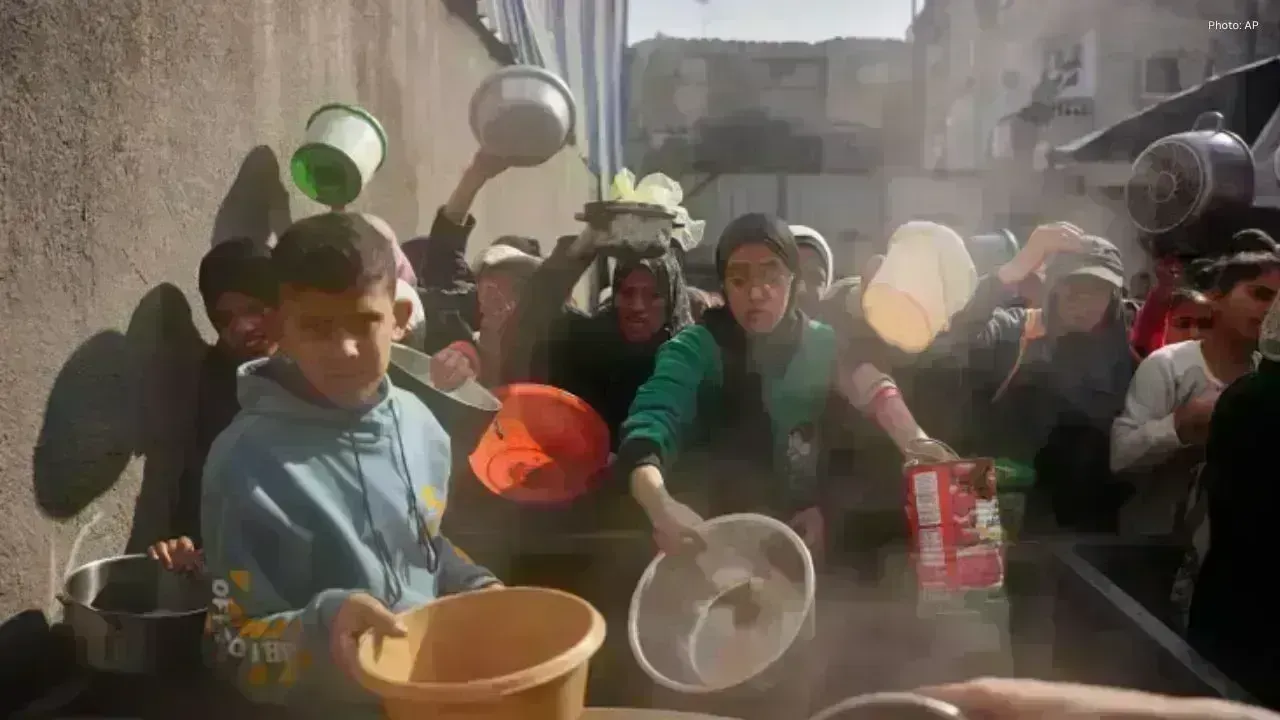
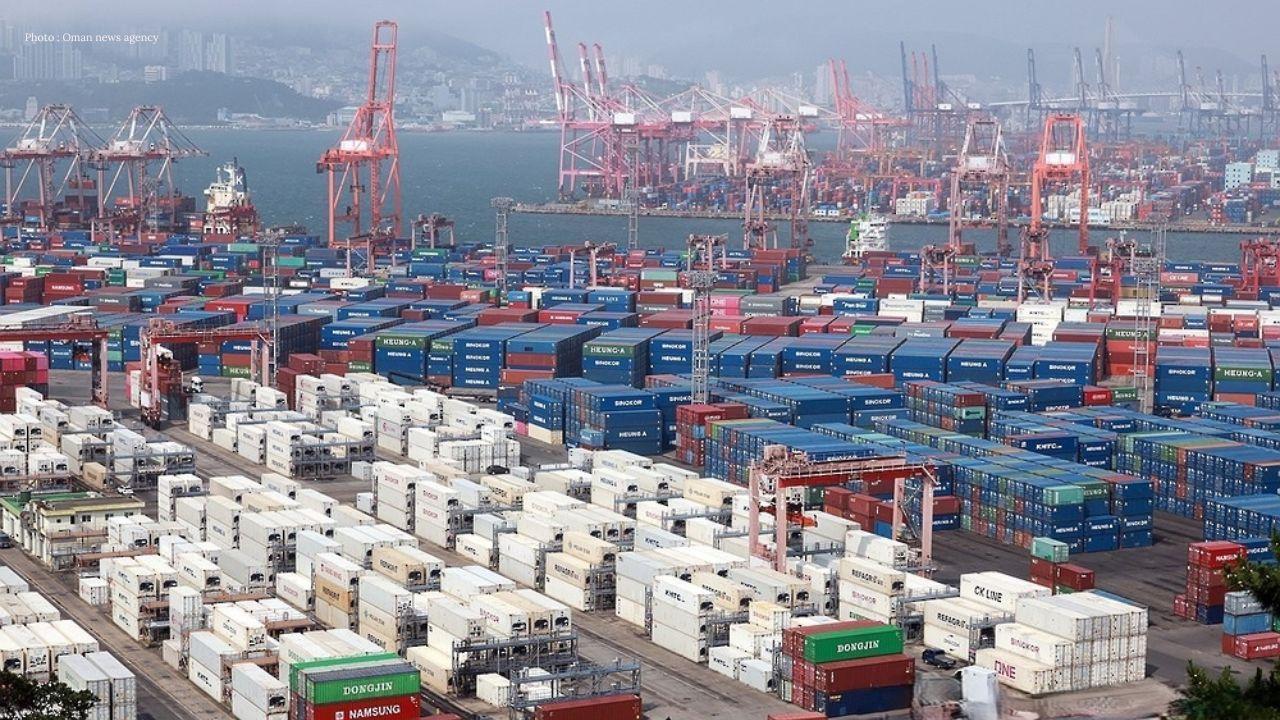
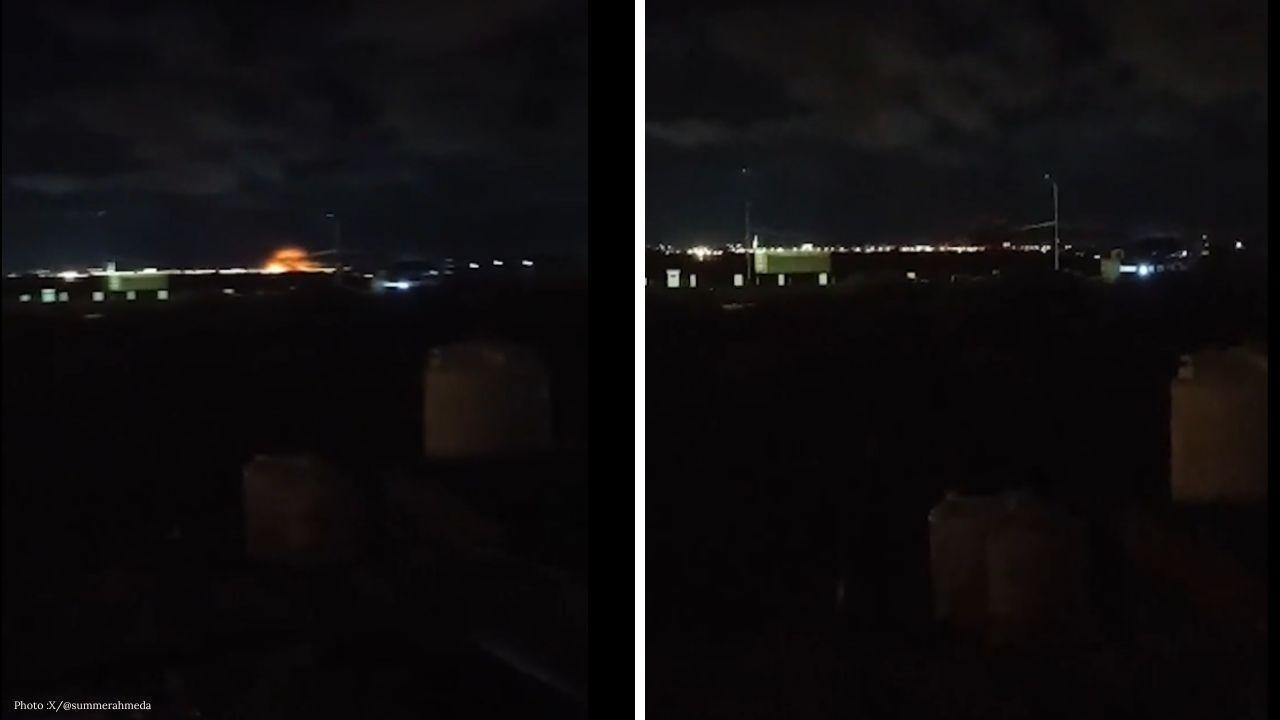
The ongoing military engagements involving Iran have raised red flags across the globe. The Food and Agriculture Organization (FAO) has indicated that if the hostilities continue, the world may face an imminent food crisis. Disruptions in supply chains, particularly through the vital Strait of Hormuz, have been identified as key threats to the availability of essential agricultural materials, thereby jeopardizing food prices globally.
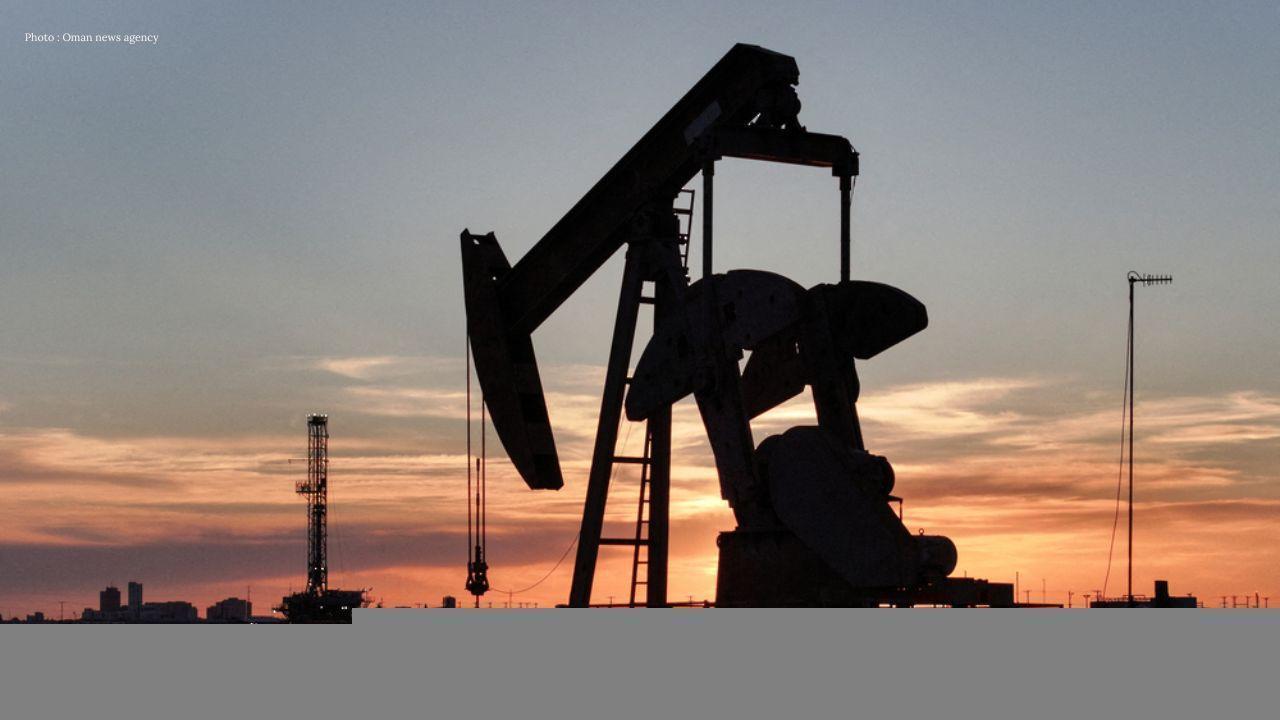
Experts have pointed out that the conflict is increasingly stressing the global fertilizer supply, which is crucial for agricultural production. A considerable amount of the world's fertilizer, especially nitrogen-based varieties, is shipped through the Strait of Hormuz. Any obstruction in this passage could diminish supply and inflate costs for farmers worldwide. The FAO has cautioned that without quick resumption of shipments, food price inflation could soar later this year.
This situation has been termed an “input crisis,” signifying shortages in essential agricultural resources like fertilizers and fuels. Prolonged conflict could exacerbate this crisis, impacting global crop production. Developing nations, heavily reliant on imported fertilizers, may see severe consequences, leading to food shortages and potential famine in the most affected areas.
Furthermore, the implications of rising fertilizer and fuel prices are also trickling down to farmers in advanced economies. The escalating production costs are likely to be reflected in consumer prices, resulting in substantial increases in food costs in the near future. Some nations may even impose restrictions on food exports to safeguard domestic supplies, tightening the already strained global market.
The FAO has highlighted the urgency of addressing this issue to deter a full-blown global food crisis. It is vital to ensure that key trade routes remain functional and supply chains stabilize. Without immediate action, the ongoing conflict could sow long-lasting repercussions for global food security and economic stability.


 English