Post by : Saif
Al-Najjar
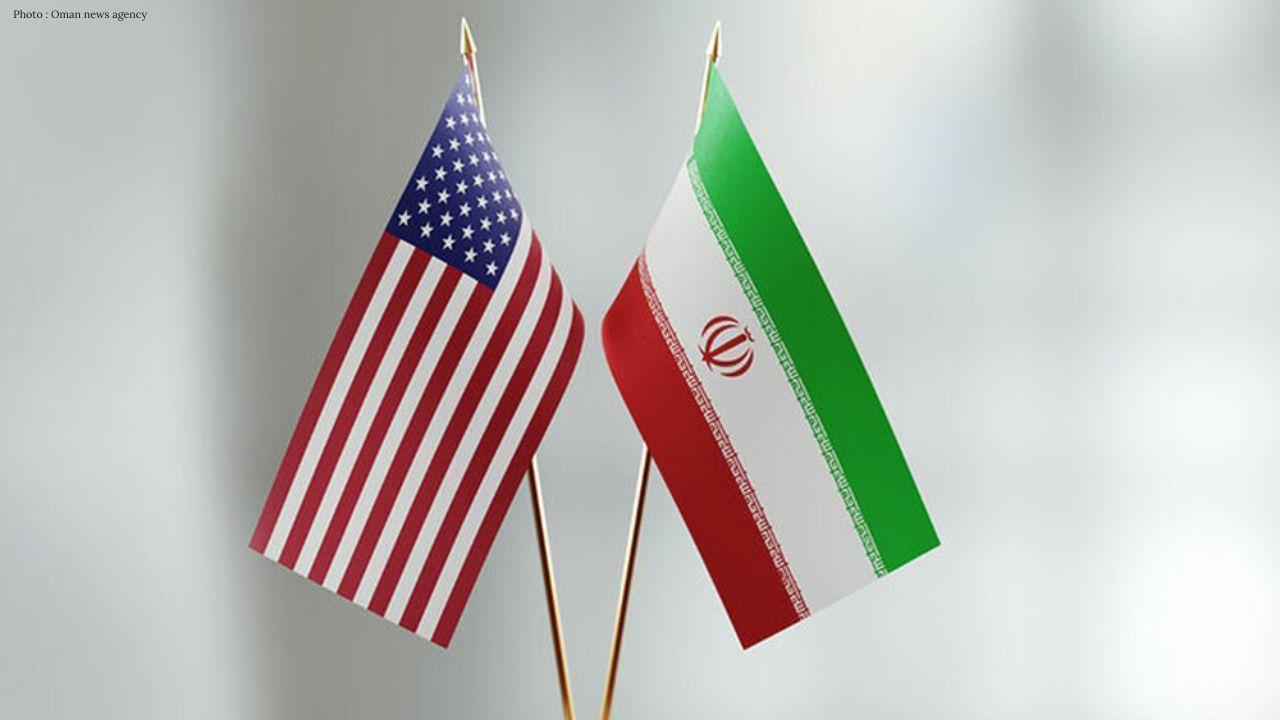
The ongoing conflict involving Iran has begun to inflict significant financial burdens on companies worldwide. Escalating oil prices, disrupted shipping routes, and volatile markets have already resulted in global businesses incurring over $25 billion in losses, based on recent assessments.
Various sectors are now being impacted by the escalating tensions. Airlines, shipping firms, manufacturers, and retail businesses find themselves among the most affected. The rising costs of fuel, transportation, insurance, and supply chain management are putting additional strain on these businesses.
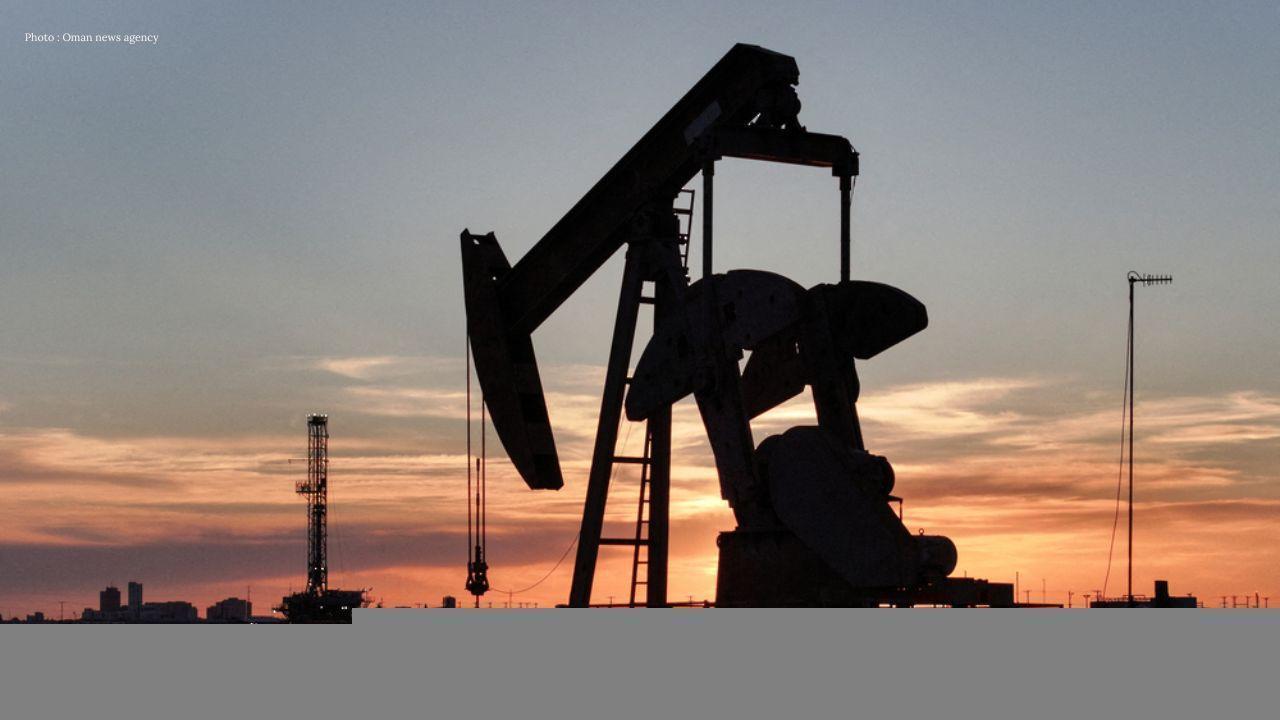
Particular concern surrounds the potential ramifications for global oil supplies. The Middle East is a critical hub for energy production, meaning that military conflicts in this area can quickly ripple through international oil markets, as many nations rely heavily on Gulf oil exports.
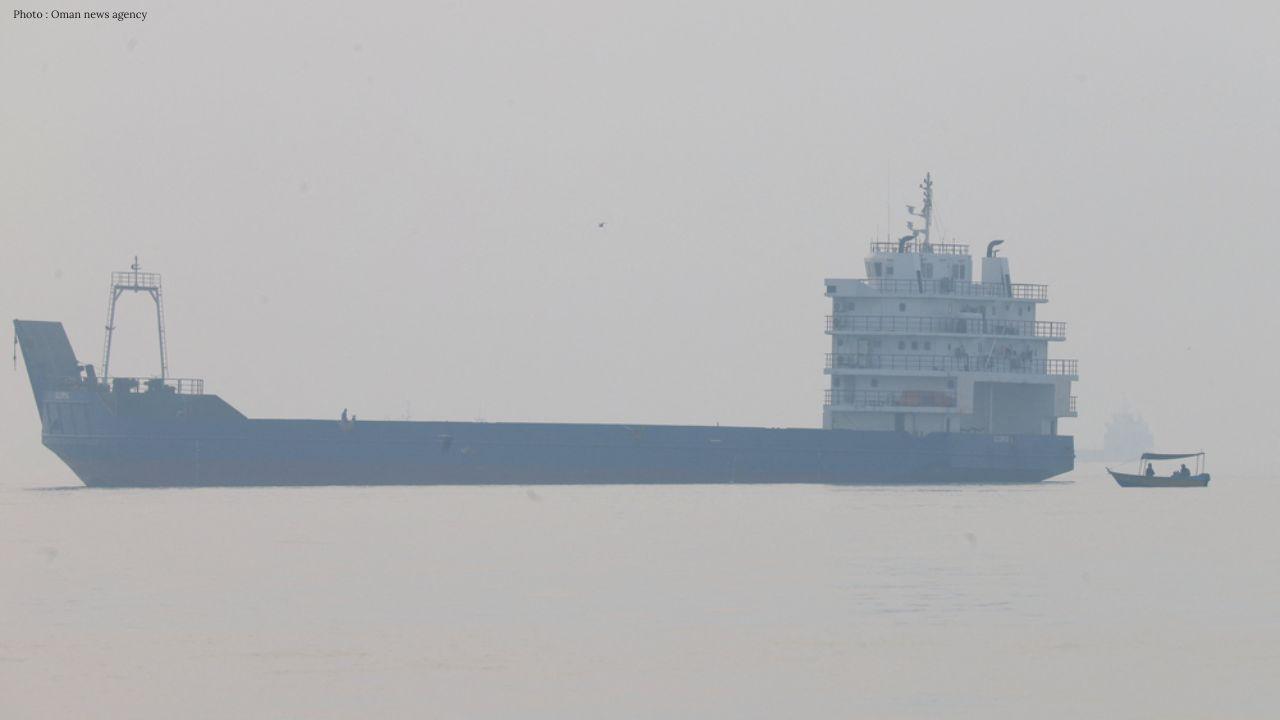
The Strait of Hormuz has emerged as a focal point in the current crisis. This narrow maritime corridor is crucial for a significant portion of the world’s oil shipment traffic. Increased military engagements and security threats in this area heighten fears regarding potential supply interruptions, thereby driving up oil prices.
As crude oil prices surge, businesses are burdened with steeper transportation and energy costs. Airlines are particularly hit hard by rising jet fuel expenses, while shipping companies are grappling with costly insurance and longer delivery times. Several international corporations have already alerted investors to impending financial setbacks tied to the ongoing crisis.
Manufacturing firms also face challenges, given their reliance on imported fuel and raw materials sourced from Gulf markets. Delays in shipments and soaring costs are disrupting production timelines across different nations.
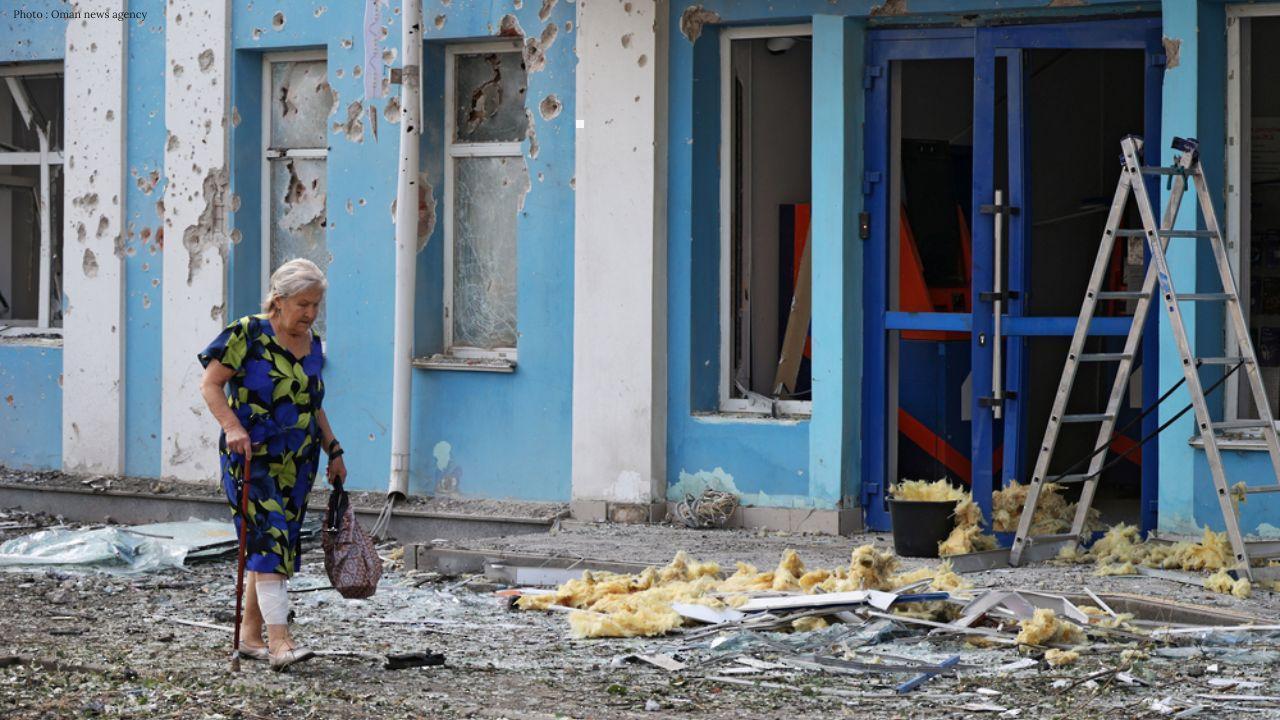
This financial strain is not confined to major corporations. Consumers are also experiencing the repercussions through increased fuel prices, higher transportation costs, and dearer everyday goods. Inflation concerns are mounting in various countries as businesses transfer additional costs onto their customers.
Global stock markets have reacted with apprehension to these developments. Investors are worried that a prolonged conflict could hamper economic growth and further destabilize international trade.
Experts caution that the economic aftermath may worsen if tensions persist. Companies could be compelled to curtail spending, postpone expansion plans, or further escalate prices to cope with rising costs.
This crisis underscores the profound interconnectedness of the global economy with events in the Middle East. A conflict in one region has swift repercussions for enterprises, markets, and consumers worldwide.
World leaders are continuing to advocate for diplomatic channels and peaceful negotiations to avert further escalation. Meanwhile, businesses and investors are closely monitoring the situation, hoping for a return to stability before losses mount further.


 English