Post by : Saif
Al-Najjar
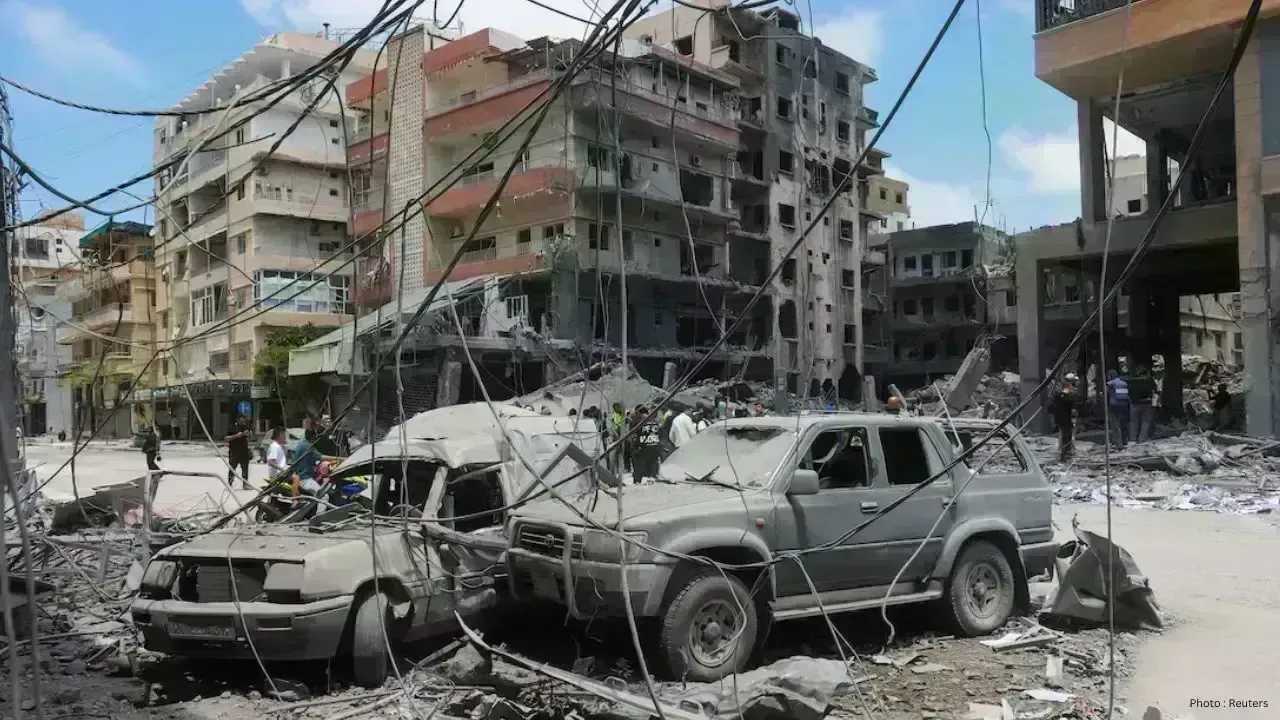
The ongoing conflict in Iran has escalated into a critical geopolitical challenge, affecting international trade dynamics and regional security measures. As military activities continue unabated, the stuttering pace of diplomatic efforts raises alarms among global governments, investors, and industries. The prospect of disruptions in one of the world’s vital energy-producing areas is beginning to influence oil market trends.
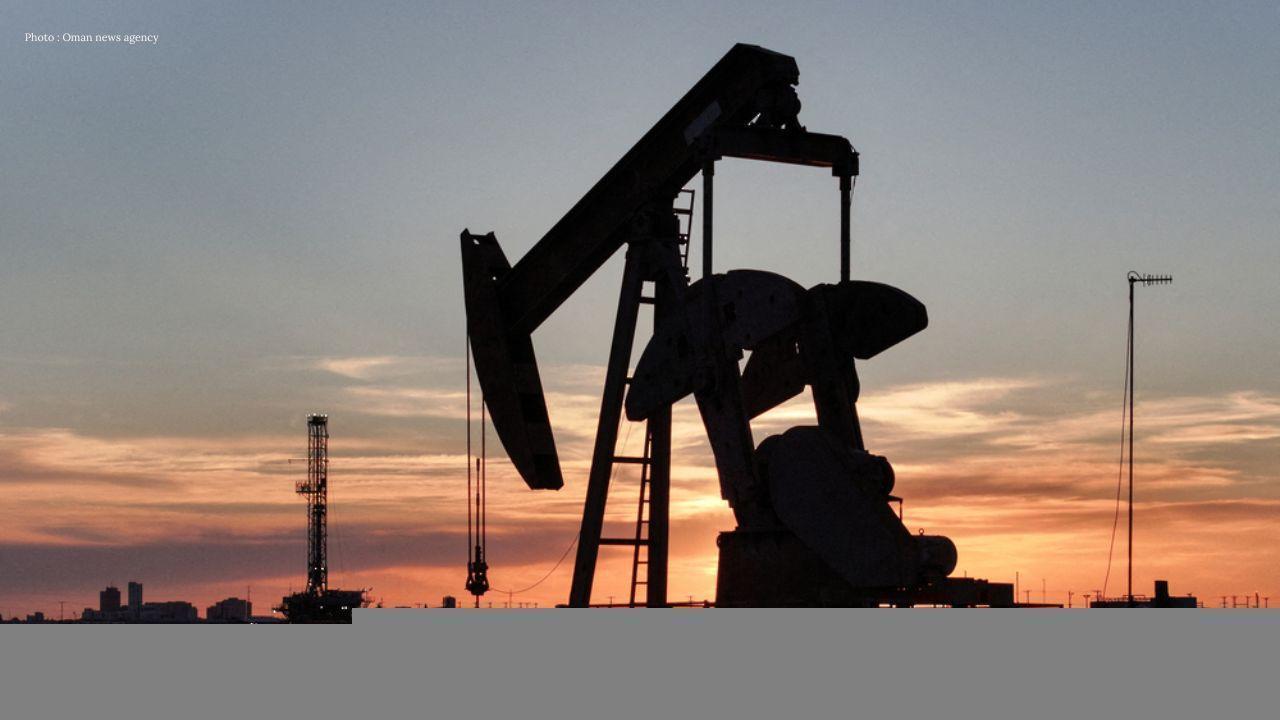
Following indications that diplomatic negotiations are faltering, oil prices have started to rise. Market stakeholders are fretting over the potential for prolonged unrest, which could jeopardize essential shipping routes and energy infrastructures in the Gulf region. Given the area’s significant contribution to global oil supply, any risk to production or transit routes draws immediate international scrutiny.
Diplomatic initiatives persist, albeit against a backdrop of significant disagreement on security issues, economic sanctions, and regional authority. Although leaders are expressing a desire for dialogue, actionable strides toward a lasting resolution remain elusive.
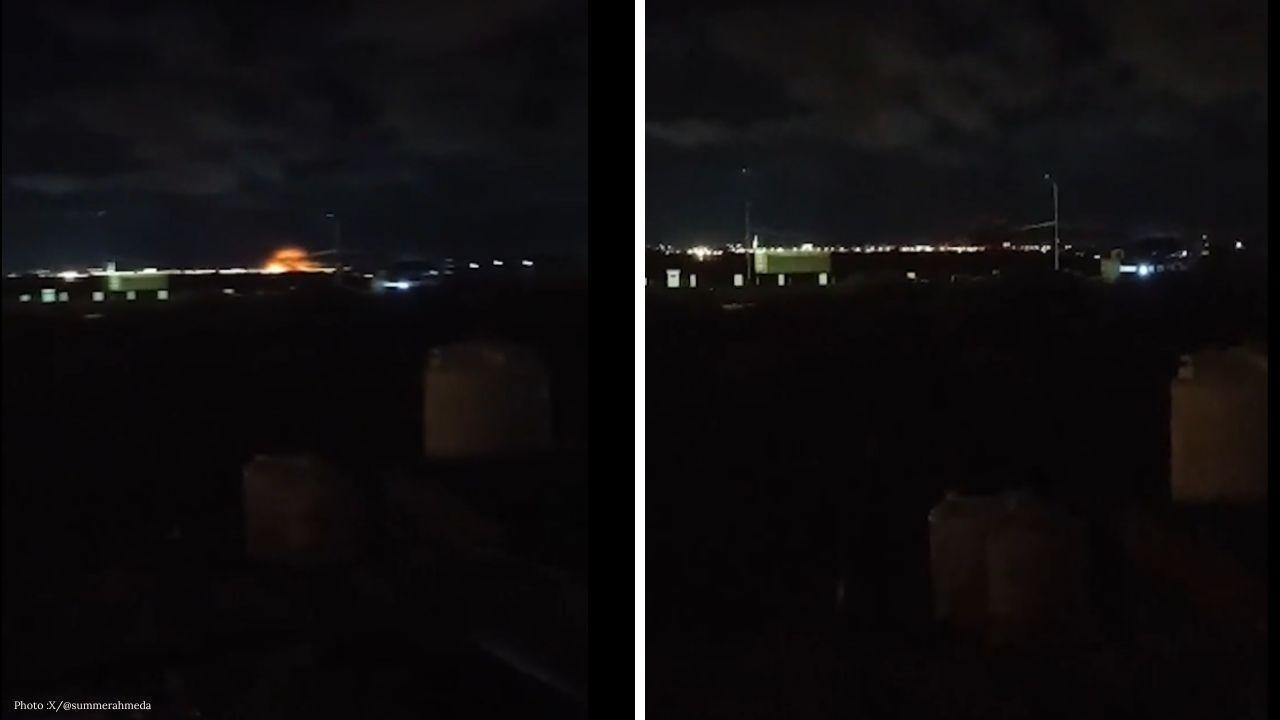
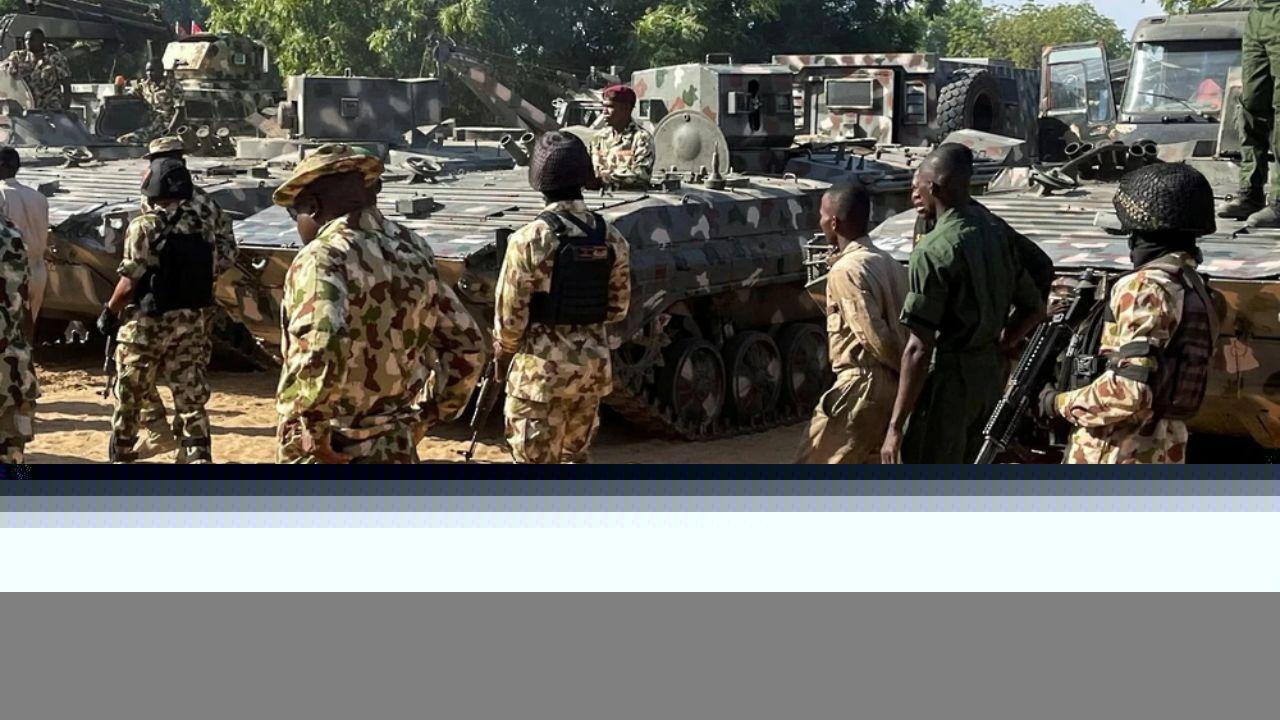
As military positioning in key areas increases, numerous nations are enhancing security around pivotal infrastructures. Vigilant monitoring is taking place at airports, ports, and energy sites, reflecting a commitment to uphold stability in this crucial trade region.
Attention is also directed toward major maritime corridors pivotal for international energy exports, where millions of barrels of crude oil traverse daily. Any hint of operational disruption can lead to swift market price fluctuations and trepidation among traders.
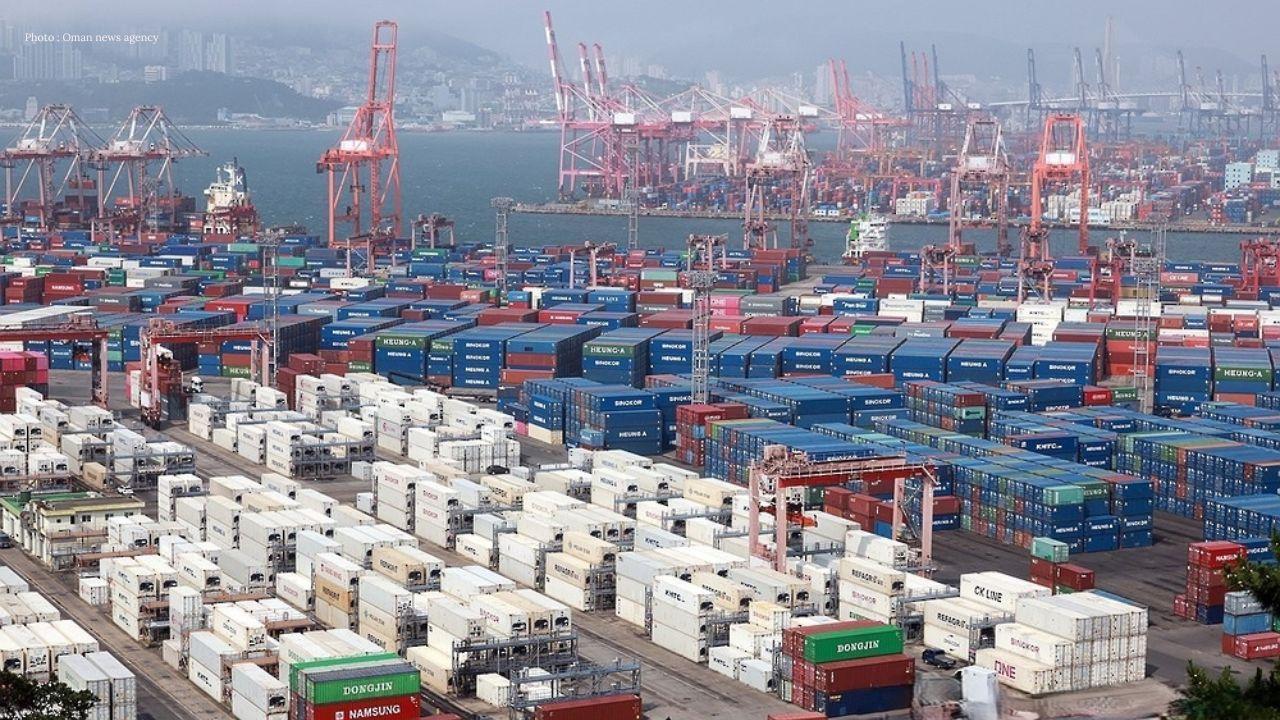
The ramifications of climbing oil prices ripple beyond the energy sector. Transportation firms face rising operational costs, manufacturers may see increases in production expenses, and consumers could ultimately bear higher prices for goods and services. These economic impacts can extend across borders, influencing growth in both established and developing markets.
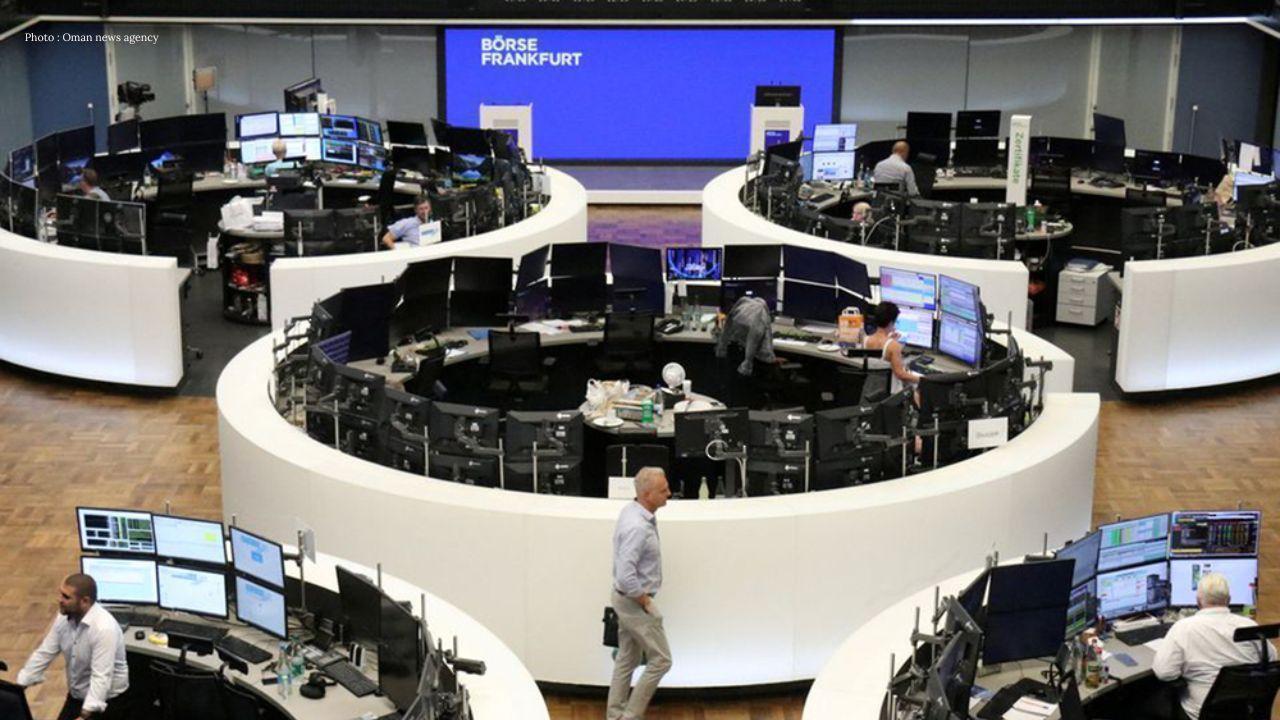
Financial entities are meticulously observing the situation, as geopolitical instability can have repercussions on investment strategies. In an environment fraught with uncertainty, businesses typically hesitate to initiate expansion efforts, prompting investors to closely follow announcements related to peace talks and security updates.
Energy sector stakeholders are similarly assessing risks. Any disruption in production or transportation routes is likely to have ripple effects on supply and pricing. As such, industry leaders remain vigilant for changes that could disrupt global energy balances.
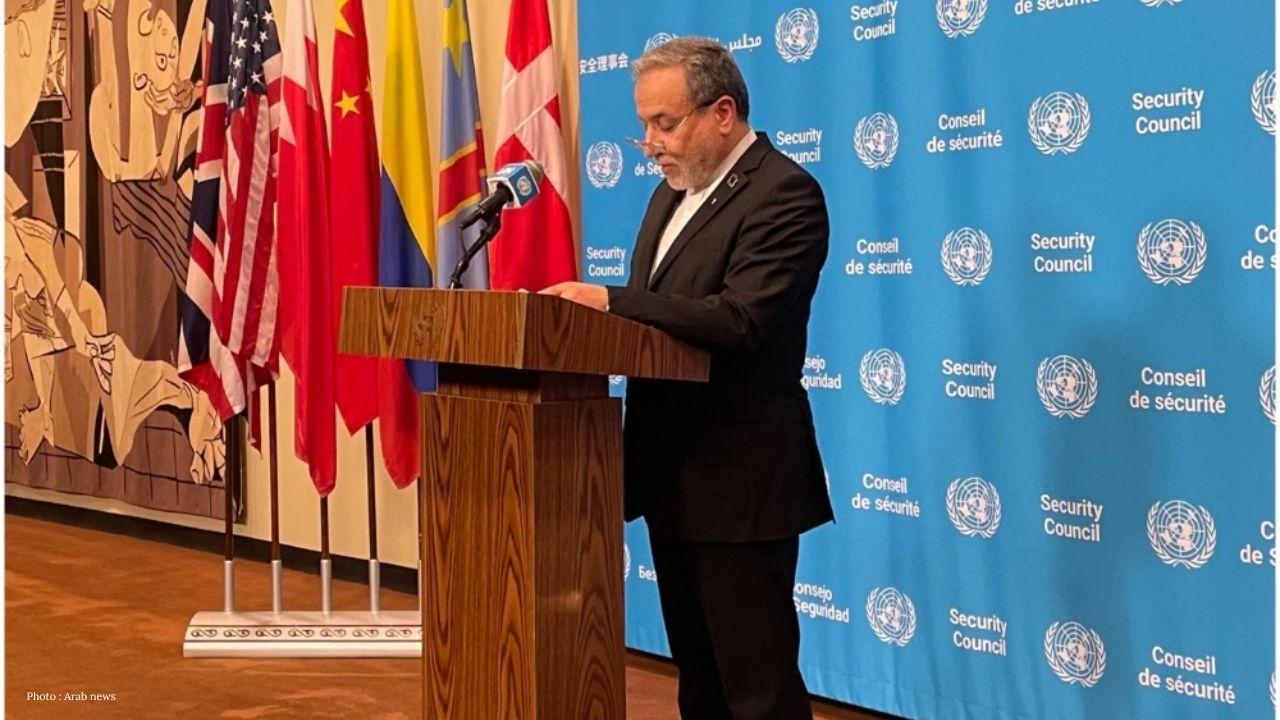
Political representatives worldwide continue to stress the necessity of diplomatic engagement. Fostering negotiations is deemed the most effective avenue for mitigating risks and averting a broader regional conflict. Open discussions can not only address divergences but may also pave the way for enhanced collaborative efforts.
Genuine progress hinges on mutual concessions from all involved. Long-standing tensions and competing priorities present obstacles that cannot be surmounted instantly. Building mutual trust usually demands time, particularly when issues of national security are paramount.
Local populations are also experiencing the ramifications of this uncertainty. Economic vitality and business confidence are susceptible to extended periods of turmoil, with many hoping that diplomatic endeavors will ultimately yield favorable conditions conducive to sustained growth.
Observers recognize that developments in Iran hold significance far beyond the region. The interconnectedness of global trade frameworks and financial markets implies that disruptions in this area can have repercussions worldwide.
Experts assert that the course of future events will significantly influence market trajectories. A favorable outcome in talks might alleviate fears and support a more stable environment, while further military confrontations could spur inflationary pressures on energy prices.
The present situation underscores the intricate relationship between geopolitical occurrences and economic performance. The stability of substantial energy-producing regions is vital to maintaining global market confidence and ensuring reliable access to essential resources.
Achieving a peaceful resolution would serve the interests of both regional and international stakeholders by diminishing uncertainty and facilitating trade while stabilizing energy costs—setting the stage for enhanced economic collaboration moving forward.
For the time being, governments, corporations, and financial organizations are closely monitoring developments. Decisions made in the upcoming weeks could shape not only the conflict’s future but also the pathways of global energy markets and economic stability worldwide.


 English