Post by : Shakul
The ongoing conflict in Iran is presenting significant challenges for the Bangladeshi economy, as escalating fuel prices and energy shortages increasingly disrupt everyday life and operations of businesses throughout the nation. In Dhaka, long lines at gas stations, intermittent power outages, and rising transportation costs have become increasingly common. Many households are now struggling to keep up with expenses as inflation continues to soar amidst global energy disruptions related to the Middle Eastern crisis.
One individual feeling the impact of this crisis is Tariqul Islam, a ride-sharing driver in Dhaka who relies on his motorcycle to provide for his family. After depleting his savings from a prior clothing business, he turned to ride-sharing for income. However, persistent fuel shortages have led to long waits at petrol stations, reducing his ability to operate his bike and resulting in diminished daily earnings. He fears that if conditions do not improve, sustaining his family in Dhaka will become unfeasible.
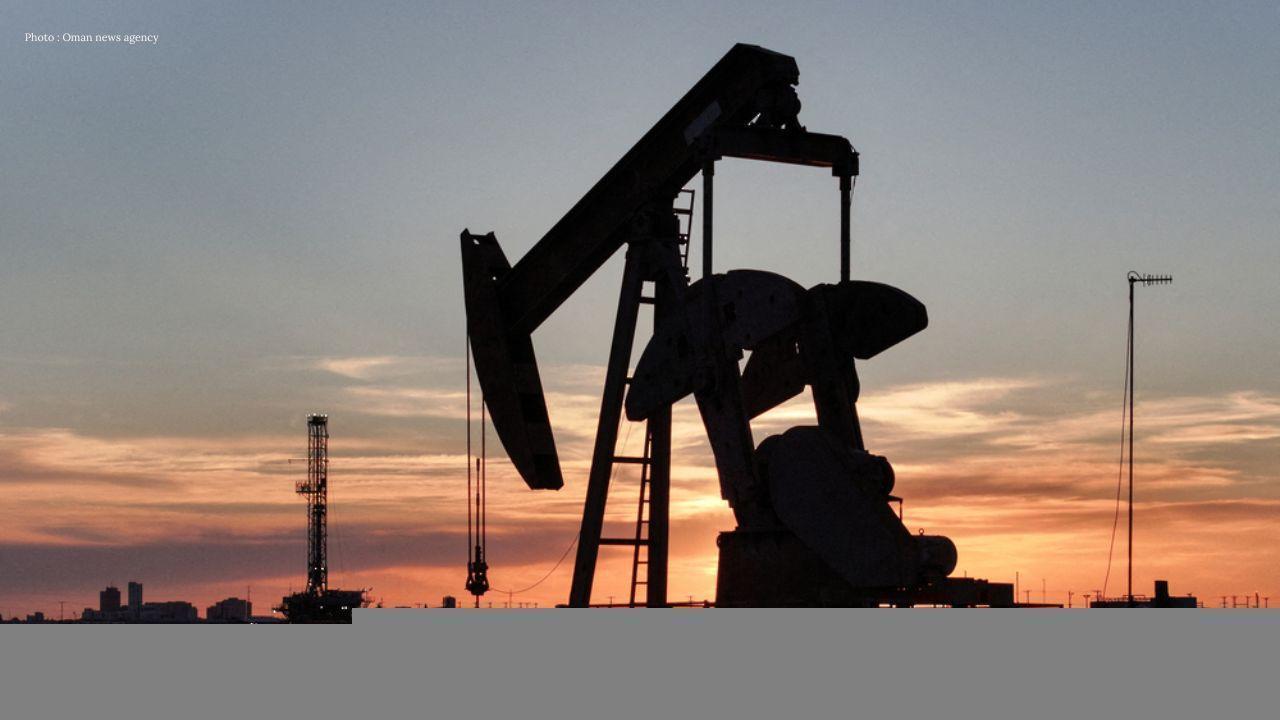
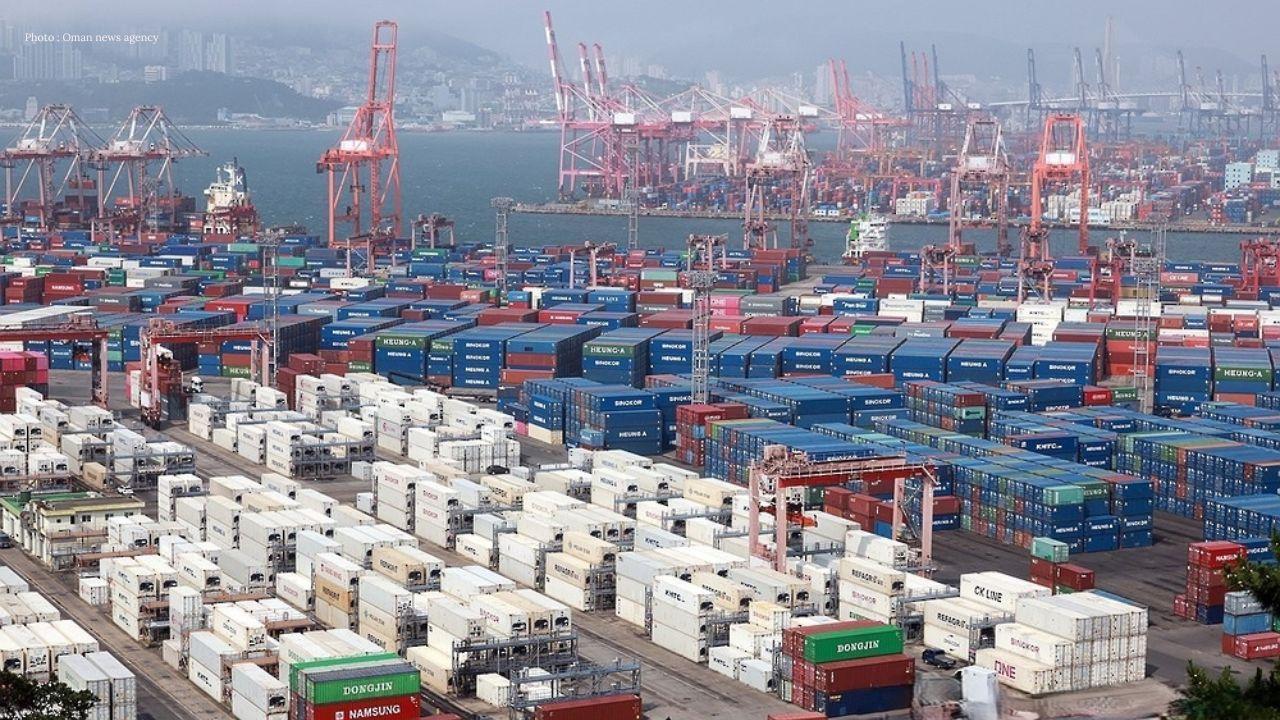
With Bangladesh being heavily reliant on imported fuel, a substantial portion of the oil and gas utilized in Asia traverses the Strait of Hormuz, a critical global shipping lane impacted by the ongoing conflict in Iran. As global fuel prices surge, Bangladesh is now facing scarcities of gas and diesel, prompting more frequent power outages in industrial zones. Although the government has recently boosted fuel supplies with some improvement observed, concerns regarding lasting economic repercussions persist.
The government has enacted a range of emergency measures to tackle the energy crisis, including reducing office hours, limiting shopping mall operating times, and implementing fuel rationing in specific regions. Additionally, Bangladesh is seeking alternative fuel sources and financial support from international allies. Reports indicate that neighboring India has responded favorably, assisting with fuel supply arrangements as Bangladesh confronts escalating import expenses.
The economy faces further strain due to increased energy subsidies. Experts caution that, should rising global prices persist, Bangladesh could incur over one billion dollars in additional costs for fuel and LNG subsidies. Major international financial institutions, including the World Bank and Asian Development Bank, have revised their economic growth projections for Bangladesh downward, warning of worsening inflation and unemployment should the Middle Eastern conflict extend over a prolonged period.
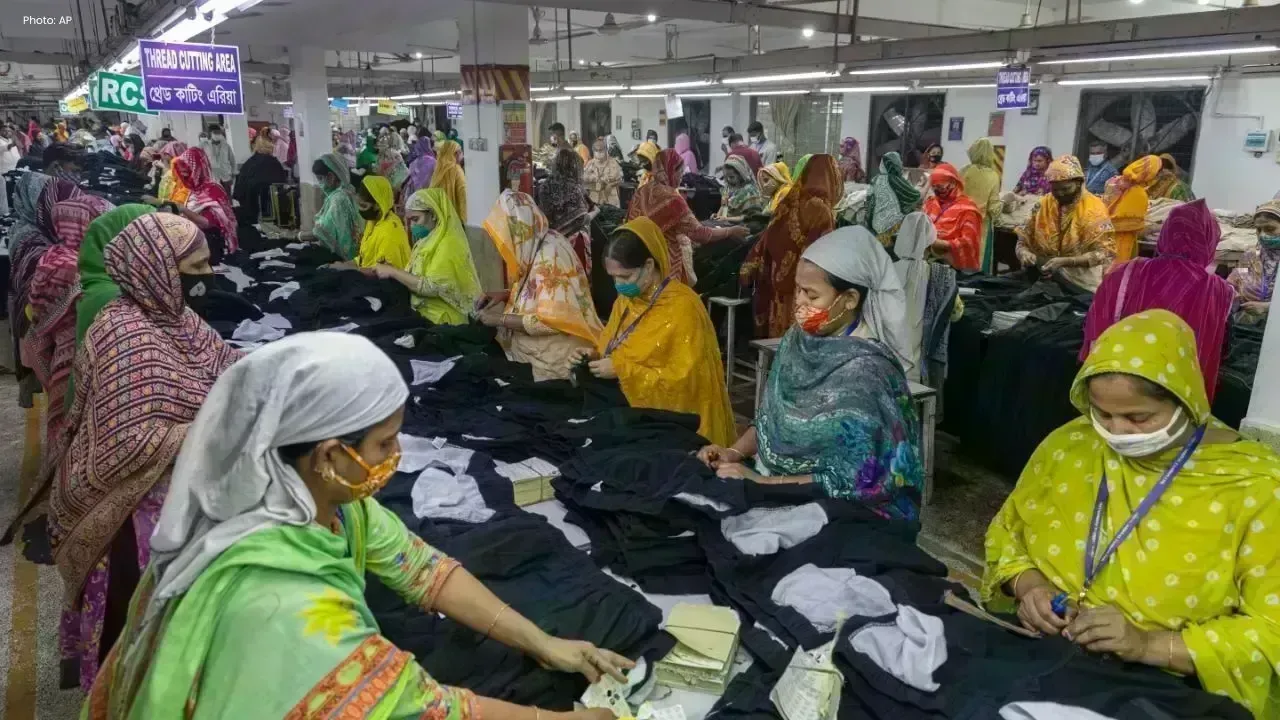
The garment sector, a cornerstone of the Bangladeshi economy, has also suffered severe setbacks. Factory owners report that both exports to Europe and the U.S. have slowed due to increased operational costs and energy interruptions. Manufacturers are incurring higher expenses for diesel generators due to consistent power outages, and the prices of essentials like sewing thread and packaging materials have sky-rocketed as these are linked to petroleum prices.
Business leaders express concern over significant declines in factory production in recent weeks, fearing that international clients may redirect orders to countries such as India, Vietnam, and Cambodia if the crisis persists. Bangladesh stands as the second-largest garment exporter globally after China, employing around four million workers, predominantly women from rural areas. Workers now face uncertainty regarding their livelihoods as factories may reduce output or even close due to surging costs of operations.


 English