Post by : Saif
Al-Najjar
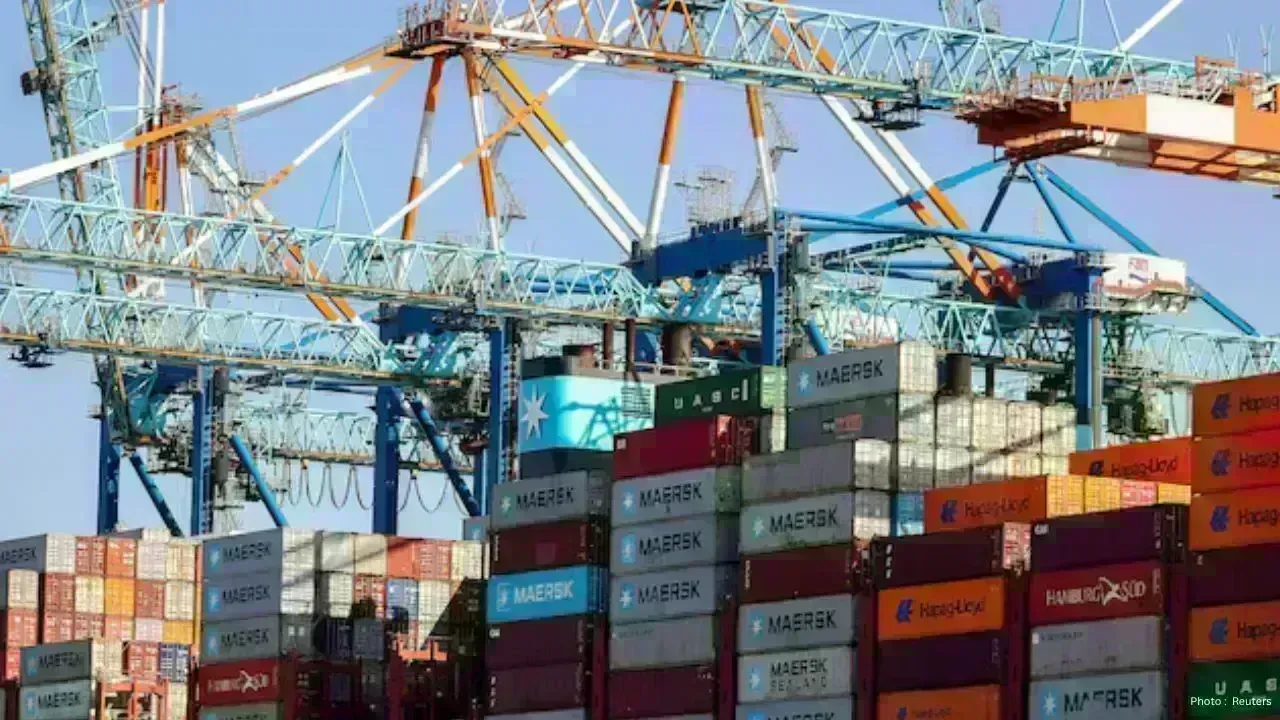
The ongoing conflict in Iran is significantly impacting global shipping and trade dynamics. While the turmoil has caused major disruptions in critical maritime routes, it has simultaneously resulted in heightened profits for European logistics firms. This scenario underscores how worldwide crises can have contrasting effects on different industries simultaneously.
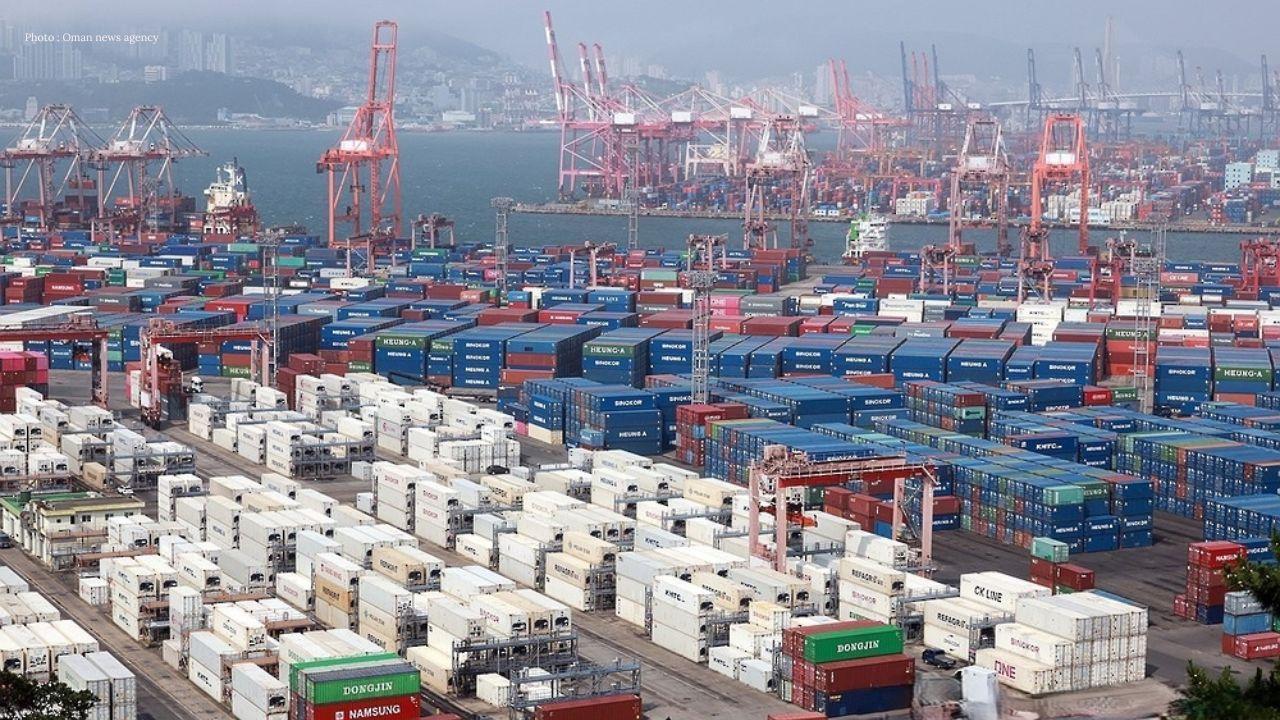
As tensions escalate in strategic regions, particularly near vital oil and trade routes, shipping companies find themselves altering their traditional paths. Many vessels are steering clear of hazardous zones, resulting in extended travel routes. These prolonged journeys lead to increased fuel consumption, extended durations, and elevated shipping costs. Consequently, freight rates have surged, allowing logistics firms to enjoy enhanced profits.
The upheaval in shipping routes has compelled numerous businesses to pivot from sea freight to air cargo. Although air freight is swifter, it also carries a significantly higher price tag. With the demand for expedited delivery rising, air cargo fees have seen a corresponding uptick. This transition further strains global supply chains, causing an escalation in goods’ costs.
While European logistics companies are reaping benefits from soaring shipping rates, various other sectors are grappling with difficulties. Businesses are confronting delays, unpredictable delivery timelines, and inflation in costs. Such challenges complicate operational planning and management. Often, these elevated costs are transferred to consumers, leading to inflated market prices.
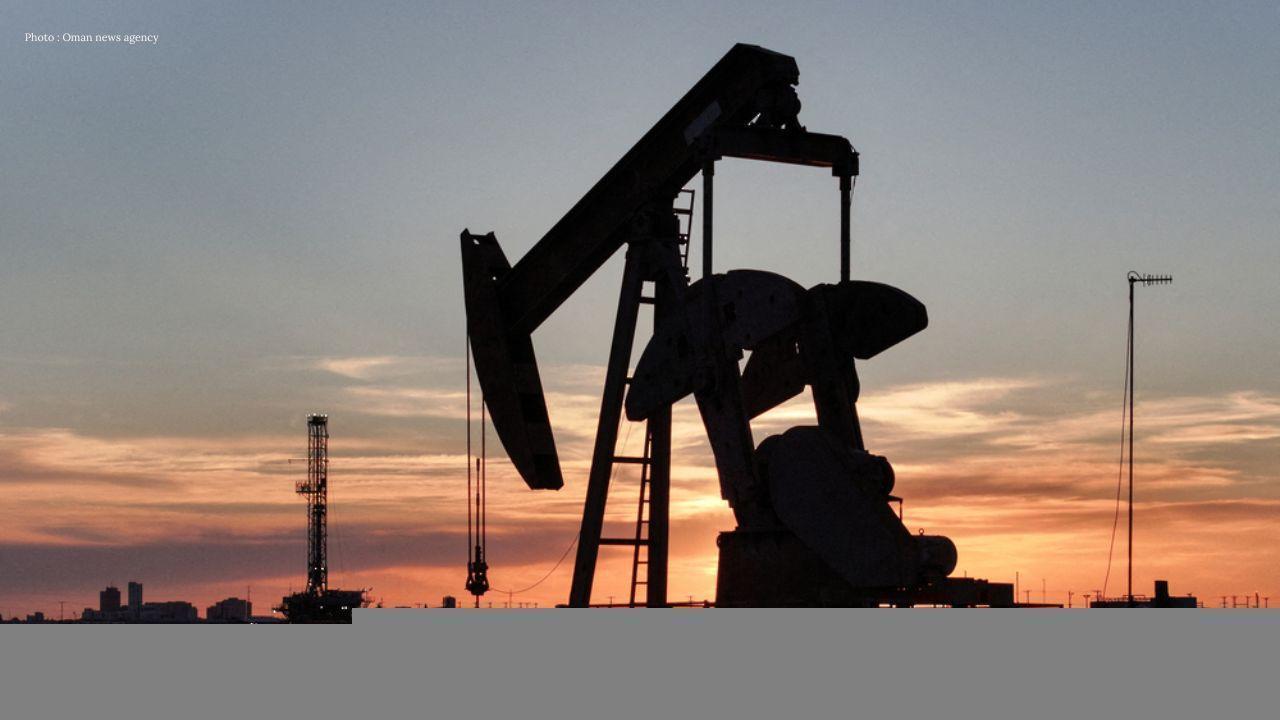
The Iran conflict has also thrown the global oil supply into disarray, which is crucial for transportation costs. Elevated oil prices drive shipping and production expenses higher, triggering a cascade of impacts across diverse industries and economies.
Amid the current advantages for logistics enterprises, experts caution that enduring gains may not be sustainable. If the conflict persists, global trade could decelerate, leading to a decline in demand for goods and consequently reducing the necessity for transport services, which would impact logistics firms.
This scenario emphasizes the critical nature of stable trade routes and harmonious international relations. The global economy relies on the seamless movement of goods; any disruption, especially in essential regions, can yield far-reaching consequences.
The uptick in European logistics profits highlights the escalating demand and increased costs in the shipping sector during this crisis. Simultaneously, the ongoing disruptions illustrate just how delicate global trade frameworks can be in times of conflict. Ensuring stability in pivotal regions will be imperative for restoring equilibrium and sustaining economic growth.


 English