Post by : Saif
Al-Najjar
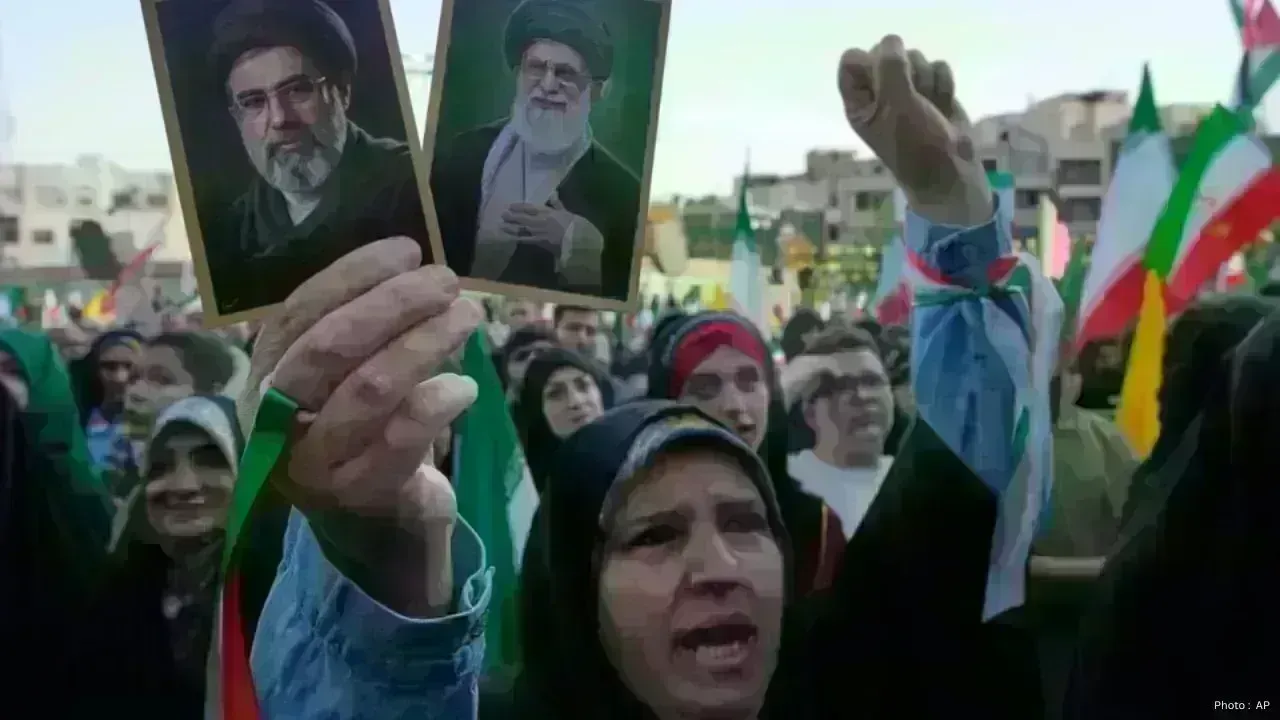
In a bold statement, Ali Khamenei reinforced Iran's dedication to safeguarding its nuclear and missile capabilities, marking a significant stance amidst escalating tensions with various global powers.
Iranian authorities have consistently emphasized the crucial nature of their nuclear and missile programs for national safety, arguing these systems are vital for defending the nation and ensuring stability in a region fraught with conflict.
This latest pronouncement underscores Iran's unwavering resolve, signaling to the world that the nation is not retreating from its defense advancements despite mounting international pressure.
For years, the global community has scrutinized Iran’s nuclear pursuits. While Tehran asserts that its nuclear endeavors are peaceful, apprehensions surrounding potential military applications persist among other nations, contributing to ongoing diplomatic strife.
Missile development is another contentious topic. Iran has established a robust missile defense system over the years, which it claims is essential for national protection. The government asserts that possessing formidable defense mechanisms deters attacks and bolsters security.
Yet, many countries express concern regarding these advancements, fearing that Iran's expanding missile and nuclear arsenal could exacerbate regional tensions and instability in the Middle East.
Conversely, advocates for Iran's stance argue that every nation holds the right to self-defense, viewing these security measures as legitimate responses to external threats.
This scenario further illustrates broader global challenges. Mutual trust among nations remains tenuous, with divergent defense policies often resulting in diplomatic stalemates. Such dynamics complicate efforts to forge lasting agreements on nuclear oversight.
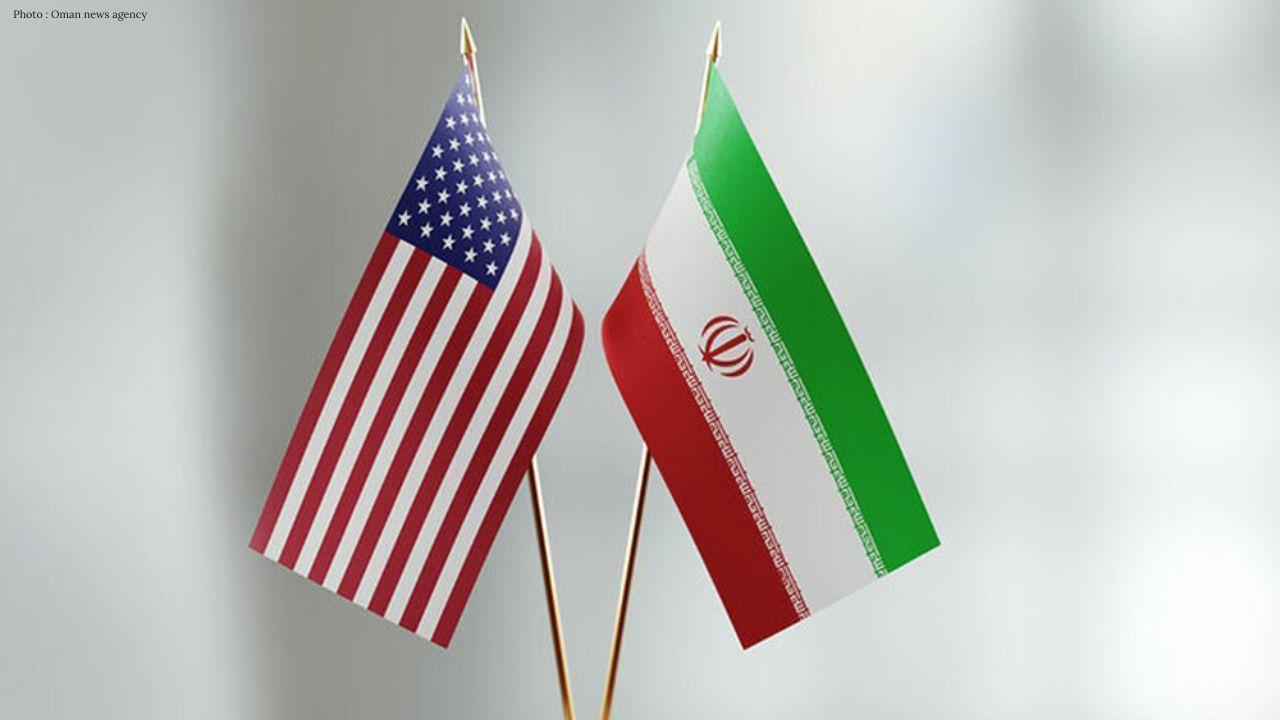
Iran’s declaration arrives against a backdrop of heightened global friction, with issues like sanctions, regional disputes, and stalled negotiations influencing its interactions with other countries.
Historical attempts to curtail Iran’s nuclear ambitions in exchange for alleviating economic sanctions have met with limited success. Negotiations have persisted over time, yet tangible progress remains elusive.
Analysts indicate that such assertive declarations often target both domestic and international audiences. Domestically, they project a message of strength and unity. Externally, they convey that Iran will uphold its policy stance in the face of pressure.
For the Middle East, Iran's position plays a crucial role in maintaining the security equilibrium. Significant shifts in its defense outlook could impact neighboring nations and the dynamics of global diplomacy.
The international community continues to advocate for dialogue to alleviate tensions and avert escalation. Nevertheless, profound differences between Iran and other powers pose significant obstacles.
Iran's recent declaration affirms its commitment to preserving defense capabilities, even as diplomatic interactions unfold. The trajectory of these tensions hinges on whether diplomacy can reconcile security concerns and political disputes.


 English