Post by : Shweta
Increased hostilities between the United States and Iran have sparked alarm regarding the safety of vital civilian infrastructure, particularly the significant bridges throughout Iran. The situation escalated following Donald Trump's warnings of possible military intervention unless Iran reopens the crucial Strait of Hormuz.
Recent reports indicate that several major bridges in Iran are now deemed vulnerable to attacks. These vital structures are crucial for transportation, linking cities, facilitating trade, and enabling the daily commute for millions. Any harm to such bridges could lead to severe disruptions in civilian life and the economy.
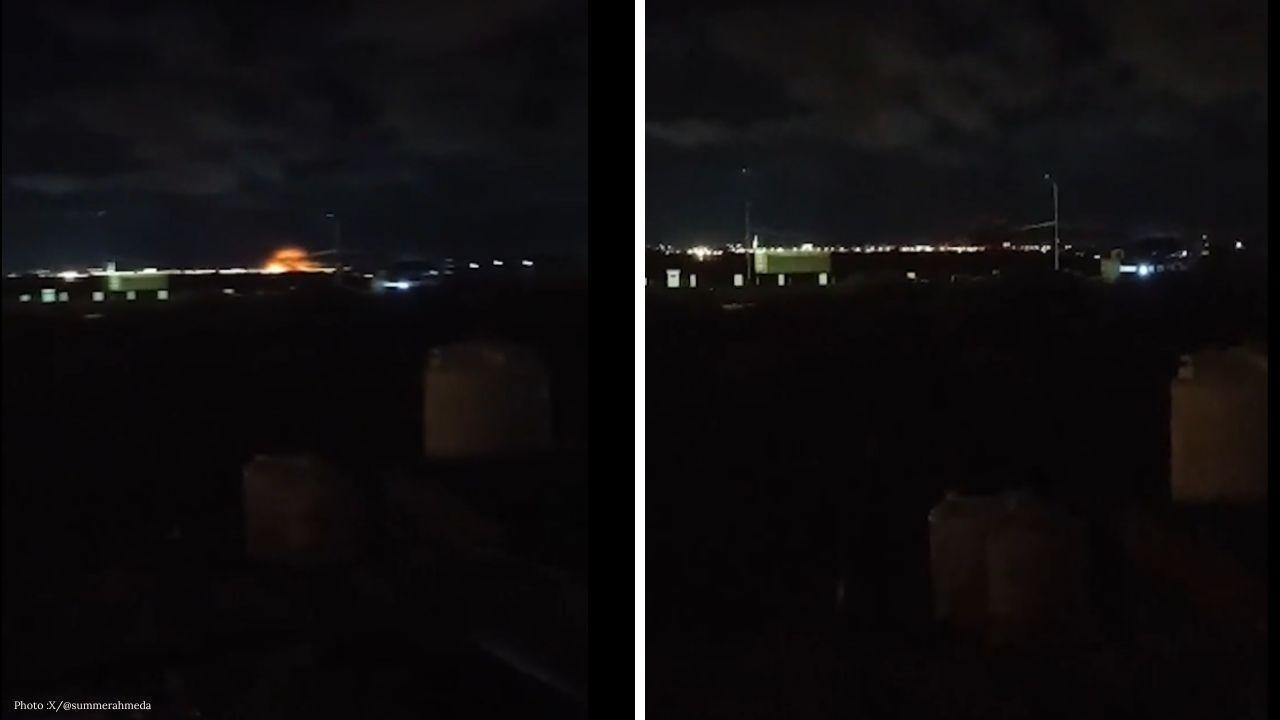
A notable incident involves a bridge in Karaj, west of Tehran, which was damaged during prior air operations, resulting in civilian injuries. This event underscores the significant risks of targeting infrastructure located in densely populated areas. Experts caution that such actions could have lasting repercussions, disrupting transport networks and posing heightened risks to surrounding communities.
International observers are increasingly concerned that potential strikes on civilian infrastructure, like bridges, may breach international laws governing armed conflict unless justified by clear military necessity. Since these bridges often serve both civilian and limited military purposes, they are particularly sensitive targets amid conflicts.
Data from Iran's bridge management systems indicate that, while the country possesses thousands of bridges, only a select few are large structures with critical span capabilities. The loss of these major bridges would significantly hinder regional connectivity, impacting logistics and emergency services.
This escalating situation reflects a broader increase in regional tensions, characterized by a series of warnings and military posturing from both parties. With deadlines concerning the Strait of Hormuz looming, the world watches closely, hoping for diplomatic solutions to mitigate the potential for conflict.
Experts warn that any escalation that involves assaults on civilian infrastructure could exacerbate the humanitarian conditions and contribute to regional instability. The upcoming days are crucial as global leaders continue to monitor the situation and urge for restraint.


 English