Post by : Shweta
Iran Grants Special Permission to Iraqi Tankers
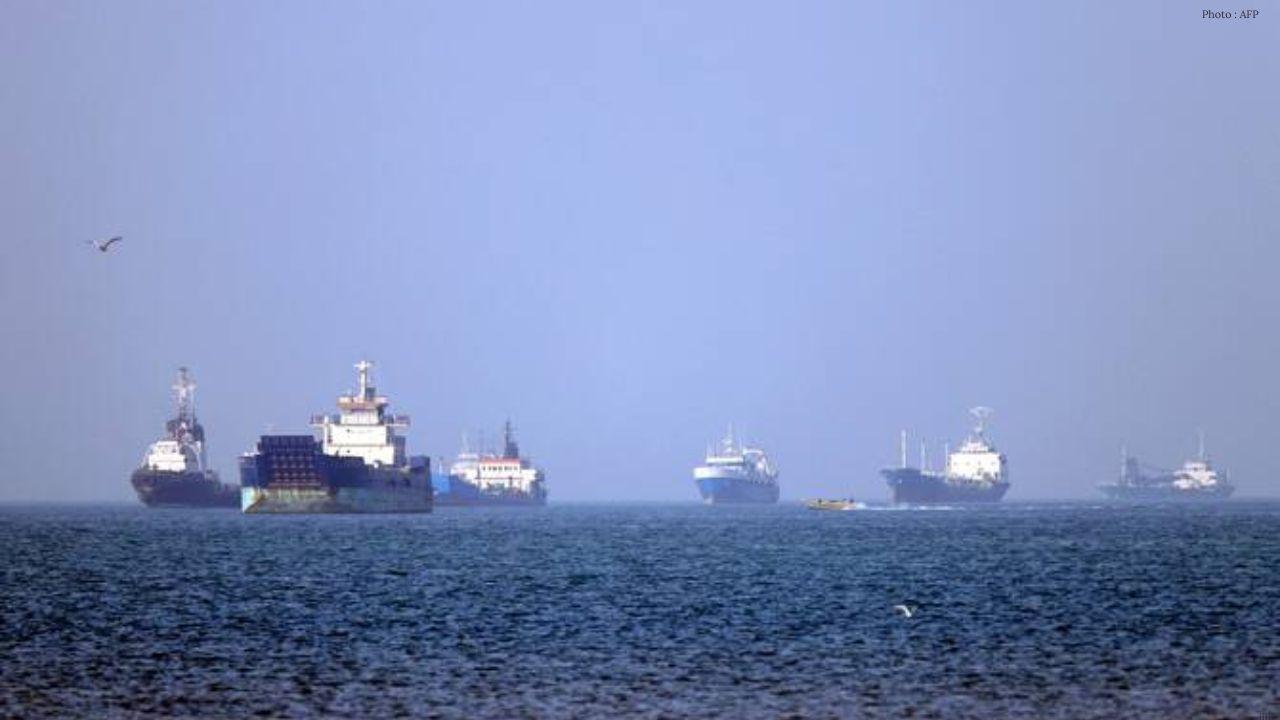
Iran has granted permission for a number of Iraqi oil tankers to pass through the Strait of Hormuz following repeated requests from Baghdad, according to Iran's state news agency IRNA. The development comes as shipping traffic through the strategically important waterway remains significantly below normal levels.
The special permission was reportedly one of Iraq's main requests during Iranian Parliament Speaker Mohammad Baqer Ghalibaf's recent visit to Iraq. Iraqi officials have been seeking arrangements that would allow their oil exports to continue despite the disruption affecting shipping through the Strait.
Baghdad Seeks Safe Passage for Oil Exports
Iraqi President Nizar Amedi said Iran had facilitated the movement of vessels carrying Iraqi oil through the Strait in recent days. He said Baghdad had also discussed the continued export of Iraqi crude through Hormuz with Iranian officials.
Speaking at the Baghdad Dialogue policy conference, Amedi indicated that the situation remained complicated. The Strait of Hormuz is a critical route for global energy shipments, making any disruption there a major concern for oil-producing countries such as Iraq.
Strait Traffic Remains Below Normal
Iraq has been among the countries most affected by the effective disruption of shipping through the Strait of Hormuz. Vessel traffic remains considerably lower than pre-war levels, while ships operating in the surrounding area continue to face security risks and reported attacks.
The situation has created additional pressure on Baghdad to find alternative routes for exporting its crude. Iraq depends heavily on oil revenues, making uninterrupted access to international markets particularly important for its economy.
Iraq Expands Alternative Oil Routes
Iraq is working to reduce its dependence on the Strait by developing additional export options. Prime Minister Ali Al-Zaidi said Baghdad is seeking to increase oil shipments through Türkiye's Ceyhan port.
Iraq also plans to begin or expand oil exports through Syria's Baniyas port and Jordan's Aqaba port. These routes could provide additional alternatives if shipping through Hormuz remains restricted or unsafe.
Iraq Faces Major Oil Export Challenge
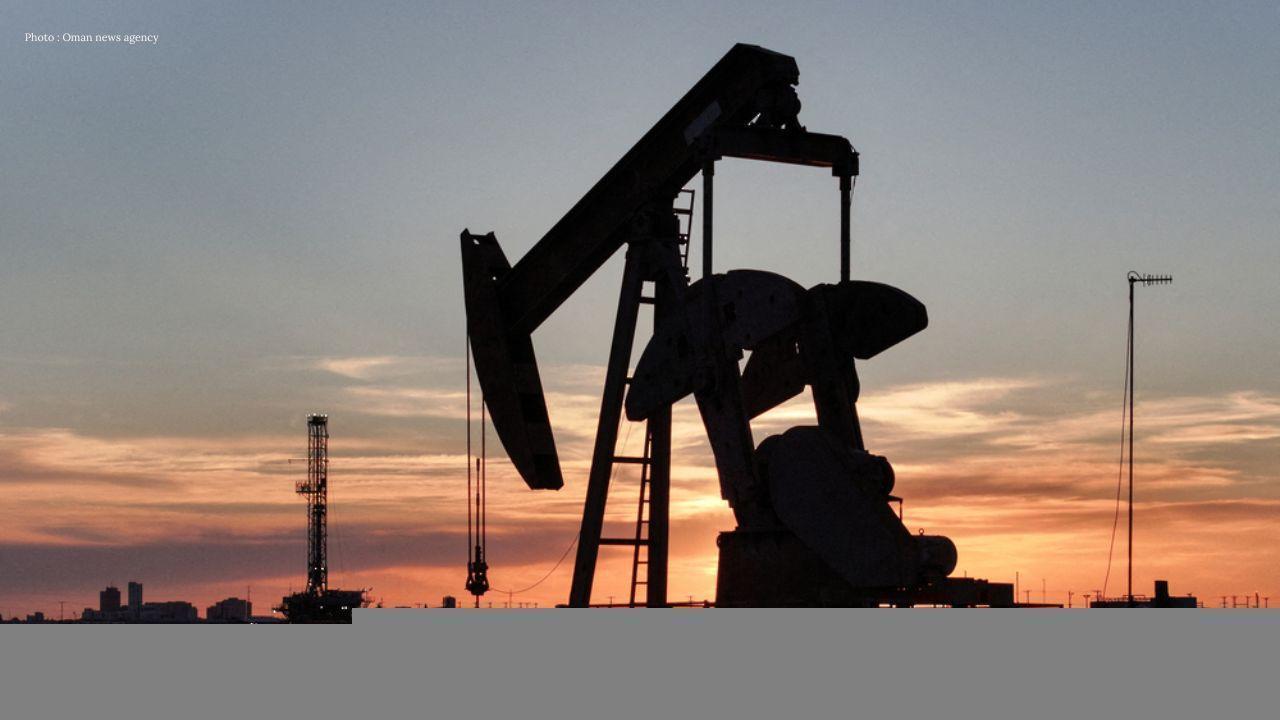
Before the outbreak of the Iran war, Iraq was producing around 4 million barrels of oil per day. Any prolonged disruption to its export routes could therefore create significant economic pressure and affect the country's ability to sell crude on international markets.
The permission granted by Iran could provide temporary relief for some Iraqi oil shipments, but the wider shipping situation remains uncertain. The safety of vessels and the overall level of traffic through Hormuz will continue to be closely watched by energy markets.
Why the Strait of Hormuz Matters
The Strait of Hormuz connects the Persian Gulf with the Gulf of Oman and is one of the world's most important energy shipping routes. Disruptions in the waterway can affect oil supplies, shipping costs and global energy prices.
Iran's decision to allow selected Iraqi tankers through the Strait shows the importance of diplomatic arrangements during the current disruption. For Iraq, maintaining reliable oil export routes remains a key economic priority while Baghdad works on alternative pathways through neighbouring countries.


 English