Post by : Saif
Al-Najjar
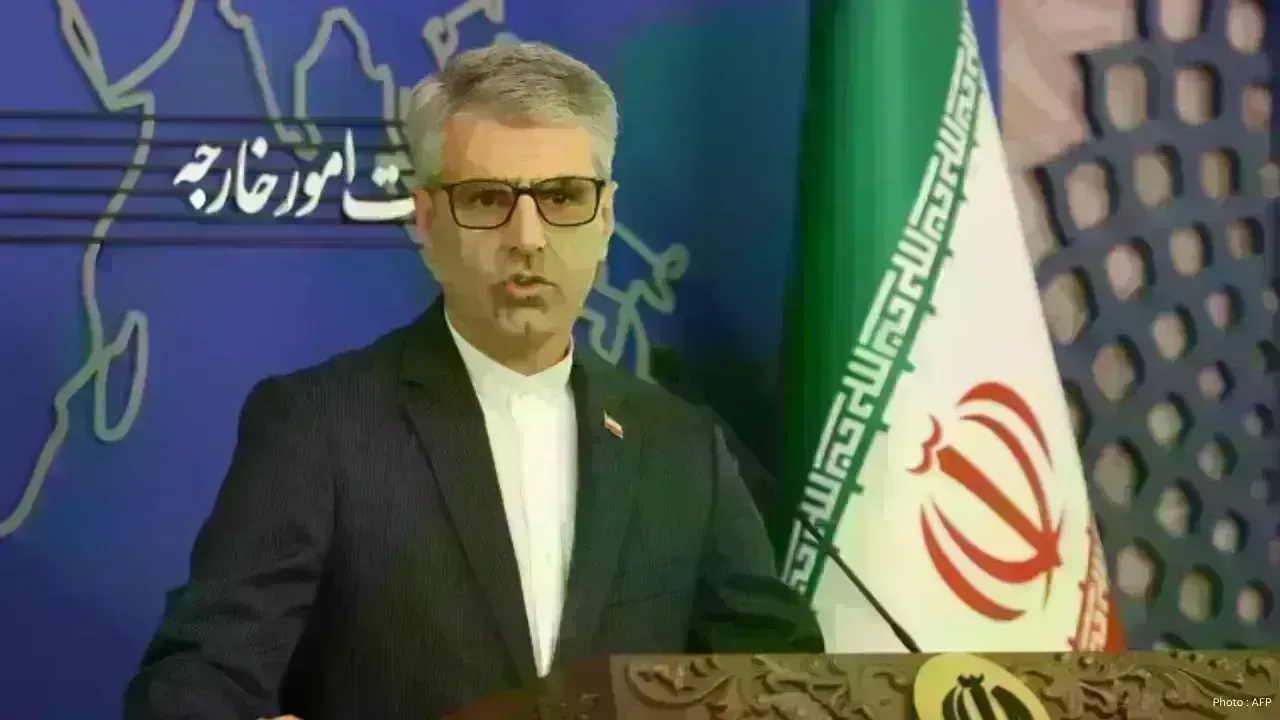
Iran has publicly criticized the United States for making “unreasonable demands” in ongoing negotiations aimed at de-escalating tensions and conflicts in the Middle East. This statement highlights the mounting challenges facing diplomatic discussions amidst increasing regional instability that affects global political dynamics and security.
Officials from Iran indicated that talks with the United States have become complicated by what they view as unfair and unrealistic demands from Washington. While specific details of the negotiations were not fully disclosed, Iranian leaders emphasized that the American stance was hindering progress.
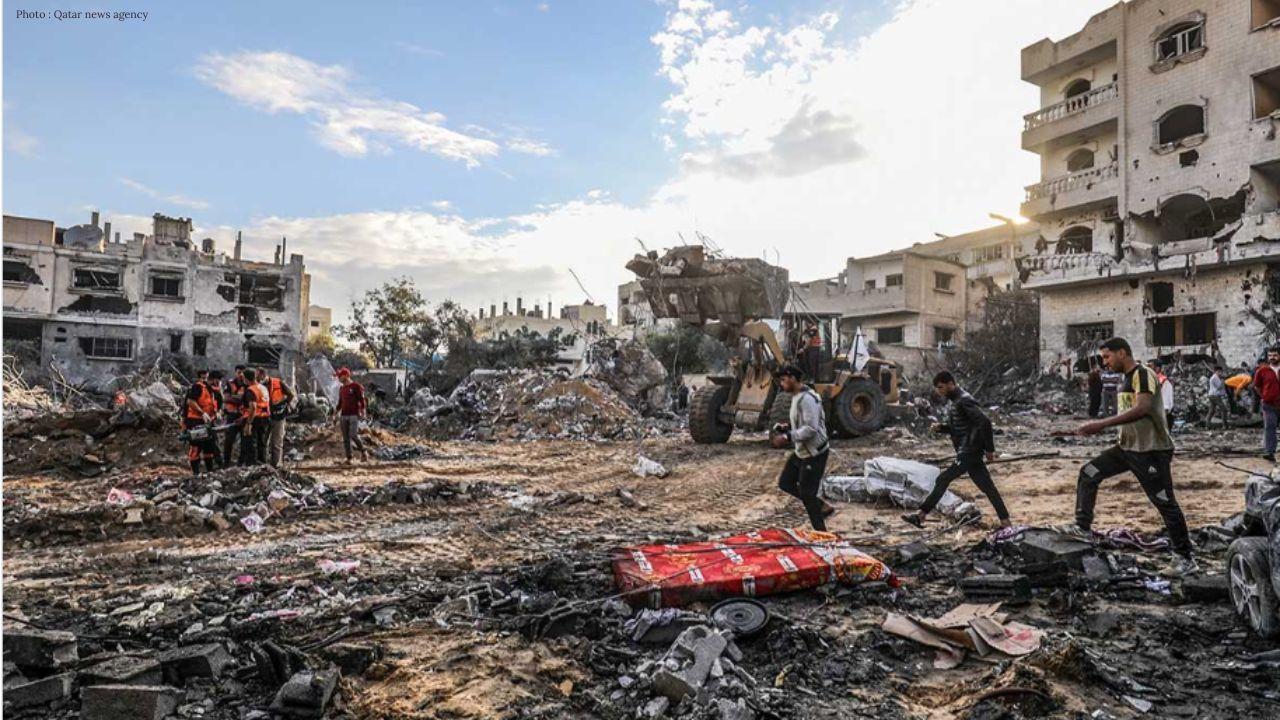
These negotiations are thought to be part of broader efforts aimed at alleviating military tensions involving Iran, Israel, and US forces in the area. The Middle East has been undergoing prolonged instability, plagued by conflicts in Gaza, maritime assaults, missile attacks, and fears of an expanded regional conflict.
The Iranian Foreign Ministry stated that fruitful diplomacy hinges on mutual respect for interests and avoiding excessive pressures. Iranian officials argued that the focus of discussions should be on equitable agreements rather than unilateral demands.
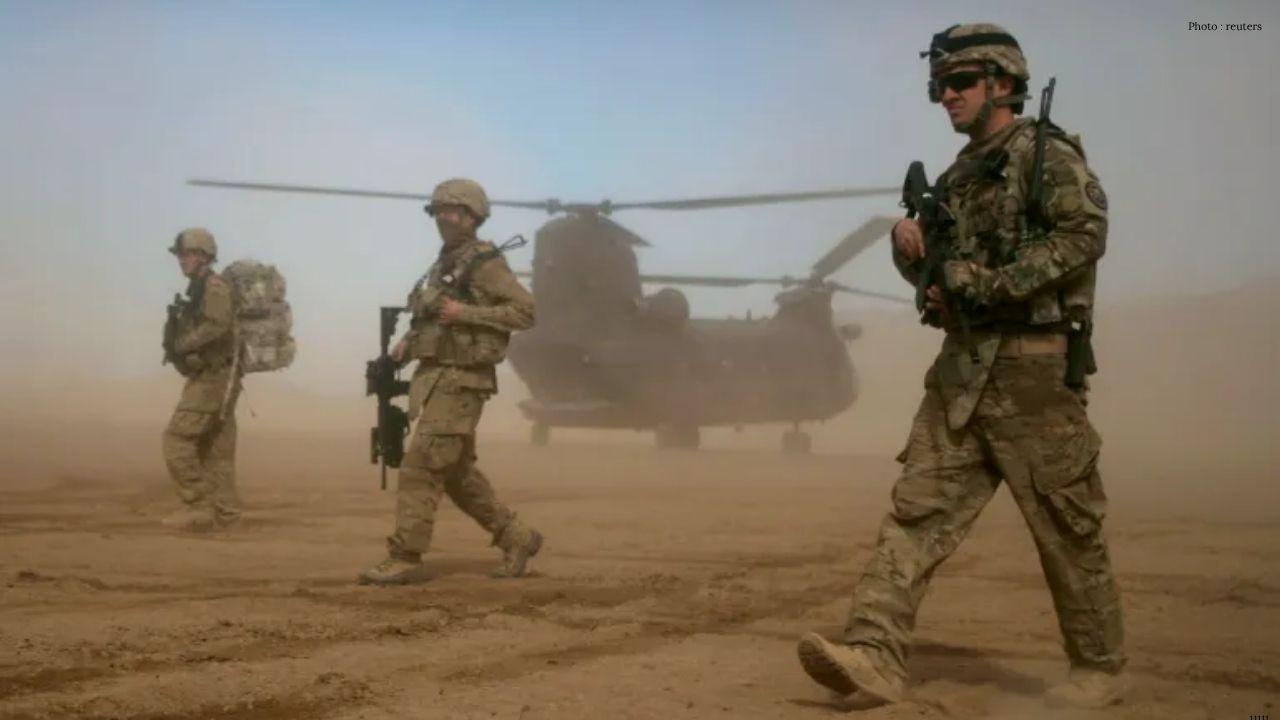
While the US has not entirely addressed Iran’s latest criticisms, American officials have made it clear that they expect Iran to curtail actions that they believe threaten regional security. Washington has accused Tehran of fostering armed groups throughout the Middle East and escalating military tensions in the Gulf.
These negotiations come at a delicate moment, with several nations, including Qatar and Oman, actively trying to avert a more extensive military conflict by promoting diplomatic solutions aimed at reducing attacks and safeguarding international shipping lanes, thus preventing direct confrontations between regional rivals.
Decades of strained relations between Iran and the United States have centered around issues such as Iran’s nuclear program, economic sanctions, influence in the region, and military maneuvers.
Recent negotiations have fluctuated between periods of progress and setbacks. Past efforts to reinstate nuclear agreements and ease sanctions have faced significant hurdles due to mutual accusations regarding breaches of commitments.
The ongoing disagreements illustrate the fragility of diplomacy in the Middle East. Experts suggest that both Iran and the United States are eager to avoid an all-out war, but deep-seated mistrust continues to obstruct fruitful discussions.
Heightened tensions resulting from the conflict in Gaza have further complicated matters. Armed Iranian-linked groups have executed attacks across various regions, while the US has bolstered its military presence in the area to protect allies and shipping operations.
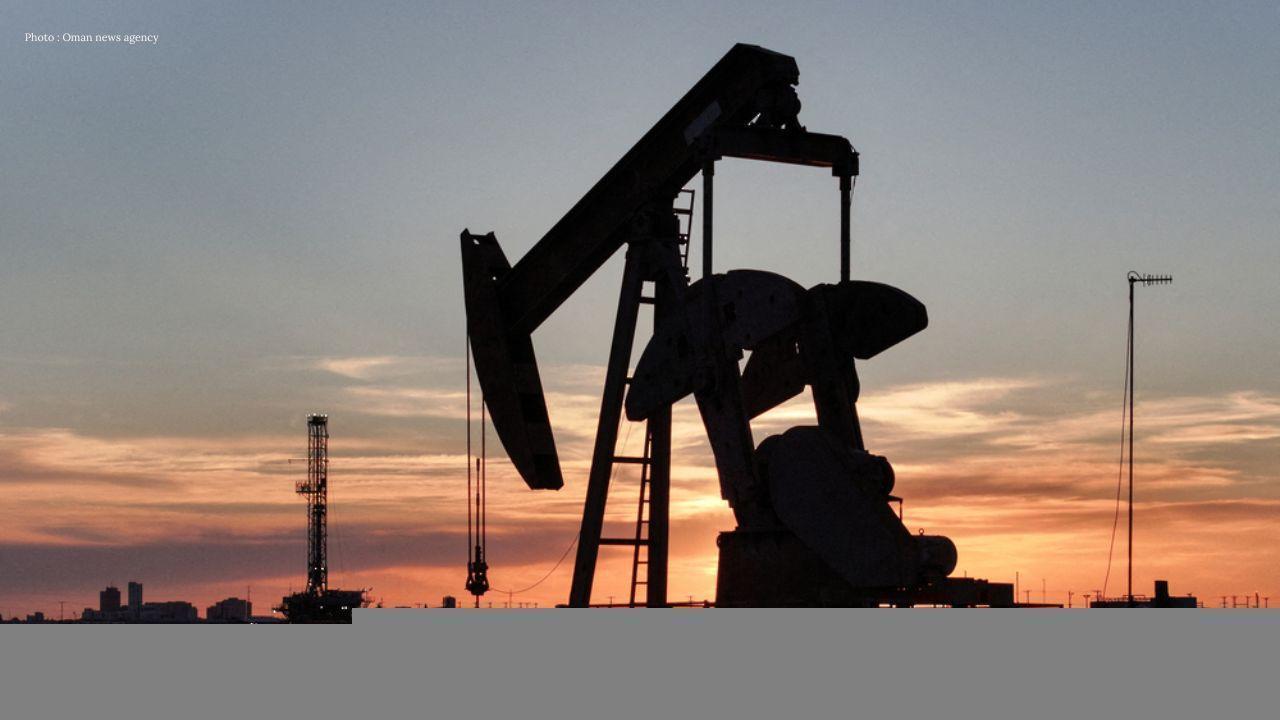
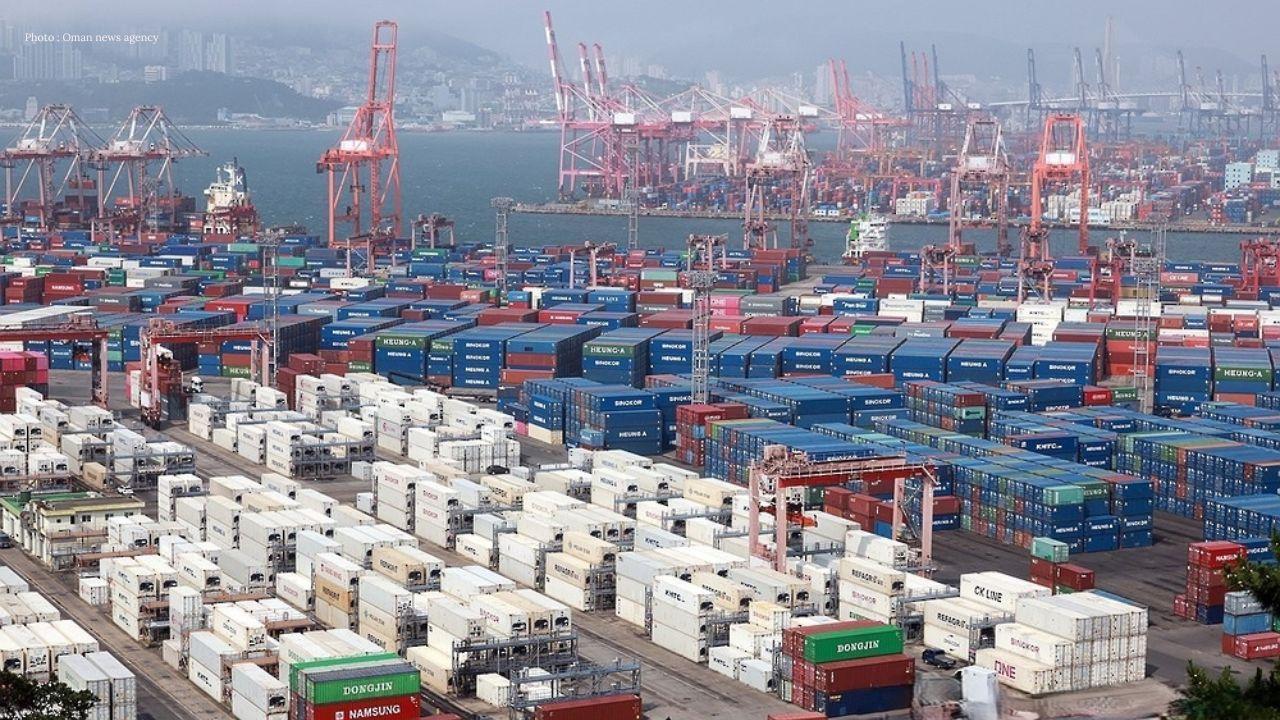
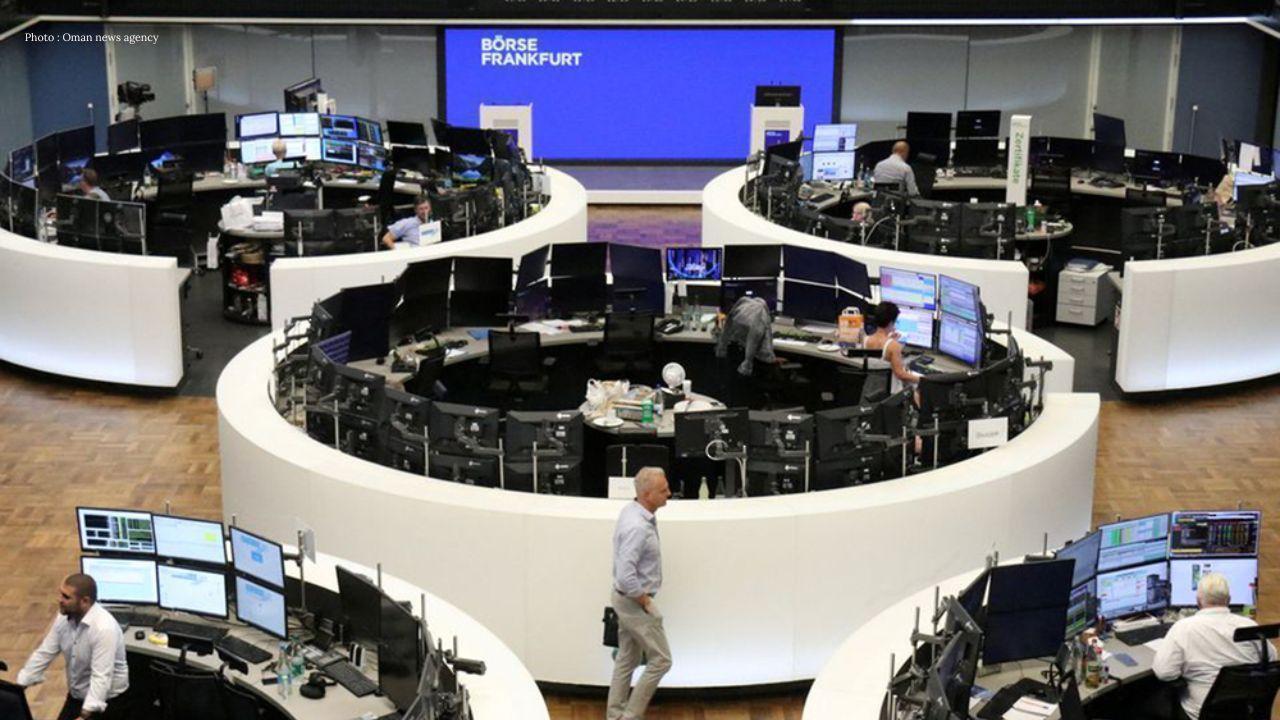
The global market is attentively observing these negotiations. Any escalation in Middle Eastern hostilities could potentially impact oil prices, shipping expenses, and international commerce, given the region's crucial role as a leading energy supplier.
Political analysts speculate that Iran may be attempting to strengthen its bargaining position through public denunciations of the United States. Concurrently, the US may be employing tactics of pressure to compel Tehran into accepting stringent negotiation terms.
For the average inhabitants of the Middle East, the rising tensions breed apprehension regarding economic instability and the potential for broader conflict, with many nations in the region grappling with inflation, unemployment, and security issues stemming from ongoing wars and political turmoil.
Despite the harsh rhetoric, lines of communication between Iran and the United States have not entirely ceased. Experts note that both sides are aware of the perils associated with direct military escalation and might still pursue indirect talks through intermediaries.
The next few weeks are poised to be critical for regional stability. Should negotiations collapse completely, tensions across the Middle East may further escalate. However, if negotiators can establish common ground, diplomatic advancements might alleviate fears of a major regional conflict.
Ultimately, Iran’s recent statements indicate that peace talks remain fraught with challenges and uncertainty. The future of regional stability may hinge on the ability of both sides to transcend public accusations and engage in serious diplomatic compromise.


 English