Post by : Saif
Al-Najjar
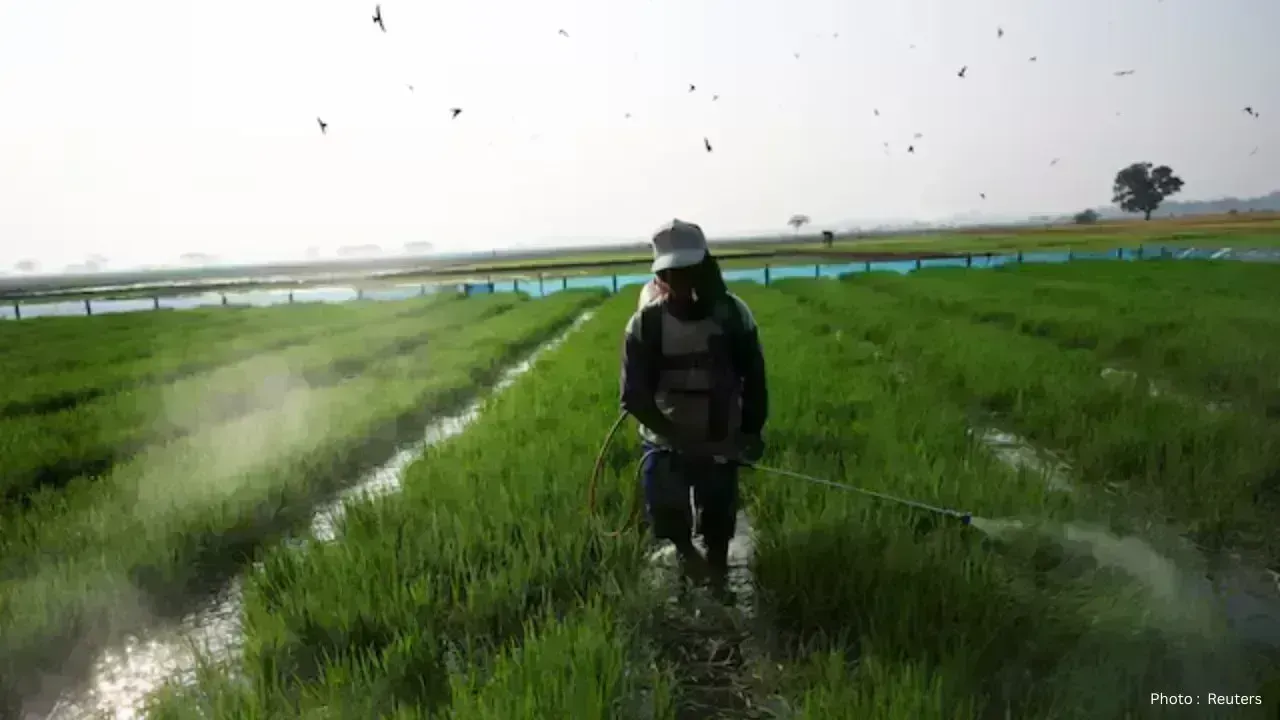
Indonesia's Meteorology, Climatology and Geophysics Agency (BMKG) has called on farmers to modify their agricultural practices in anticipation of a harsh dry season influenced by the El Niño climate pattern.
As many regions in Indonesia have entered the dry season, reports indicate insufficient rainfall in several areas. Officials emphasize that early adjustments will mitigate the risks posed by extensive dry conditions on agriculture and food supply.
Large Regions of Indonesia Enter Dry Conditions
By the end of June, BMKG reported that around 38% of Indonesia's seasonal areas had begun experiencing the dry season.
Moreover, about 47% of Indonesia has seen below-average rainfall, raising alarms over farming water supply.
Weather experts predict that these dry conditions could worsen in the upcoming months.
El Niño Forecasted to Peak This Summer
According to BMKG's Ardhasena Sopaheluwakan, the ongoing dry season is heavily influenced by this year's El Niño phenomenon.
Expectations are set for the dry season to peak from July to September, resulting in elevated temperatures and diminished rainfall affecting several areas of Indonesia.
El Niño is a naturally recurring climatic event associated with higher-than-average sea temperatures in the Pacific, typically leading to drought-like conditions across Southeast Asia and jeopardizing agricultural productivity.
Farmers Encouraged to Revise Planting Approaches
To counter potential setbacks, BMKG has suggested that farmers adapt their agricultural strategies according to the prevailing weather situations.
Recommended measures include:
- Shifting planting schedules in line with predicted rainfall patterns.
- Utilizing crop varieties resistant to drought.
- Opting for early-maturing seeds that demand less water.
- Diversifying crops to mitigate the chances of failure.
Officials believe these adjustments can fortify agricultural resilience amid extended dry spells.
Safeguarding Agriculture and Food Supply
Agriculture stands as a crucial component of Indonesia's economy, heavily influenced by weather conditions impacting yield.
Extended dry spells threaten harvest sizes, irrigation resources, and can elevate food costs.
Government agencies remain vigilant in monitoring climatic trends while delivering timely updates to farmers for informed operational decisions during the dry spell.
Additionally, authorities stress the need for effective water management and climate-adaptive farming practices to safeguard agricultural output.
Ongoing Weather Assessment
BMKG intends to maintain its surveillance of rainfall distribution and climate variables throughout the year.
Farmers are urged to stay informed via official weather reports and agricultural guidelines to lessen the impact of extreme weather conditions.
The agency underscores that proactive planning and adaptability are key for sustaining food production during extended drought phases.


 English