Post by : Shakul
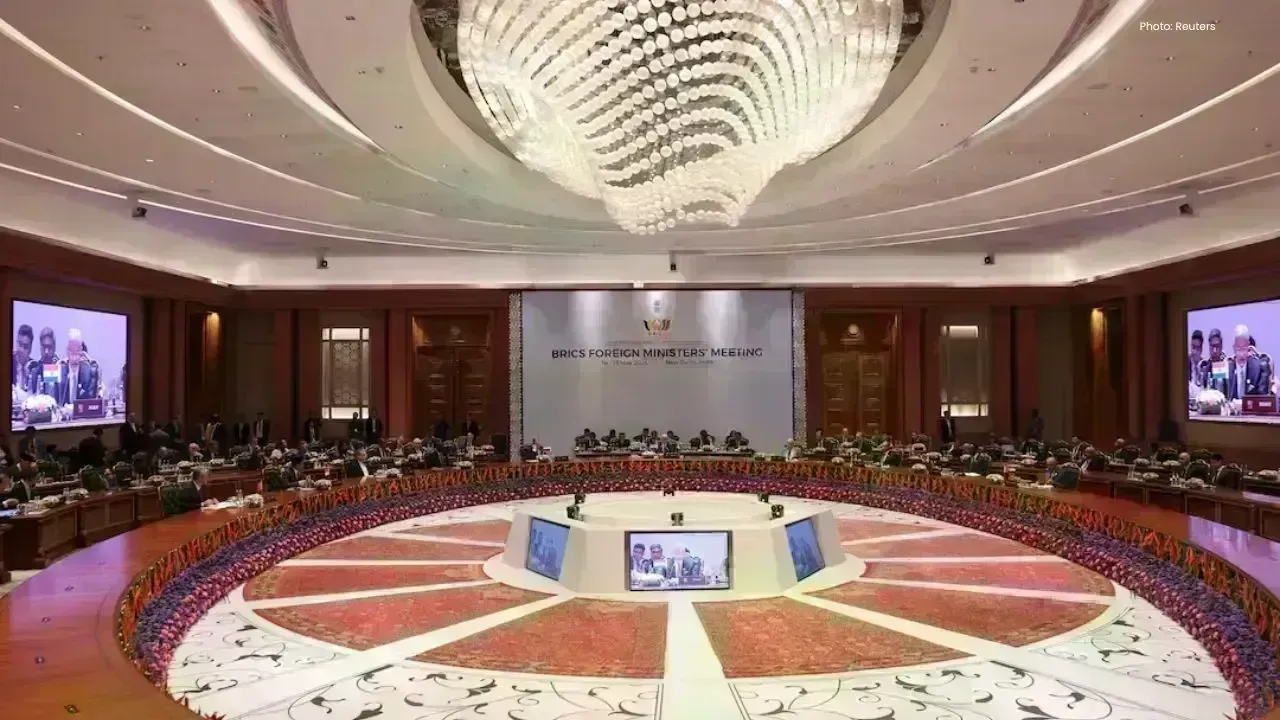
During the BRICS Foreign Ministers meeting in New Delhi, India underscored the critical importance of secure and uninterrupted maritime trade routes for ensuring global economic stability. External Affairs Minister Subrahmanyam Jaishankar pointed out that key waterways, particularly the Strait of Hormuz and the Red Sea, play a pivotal role in international trade and energy supply.
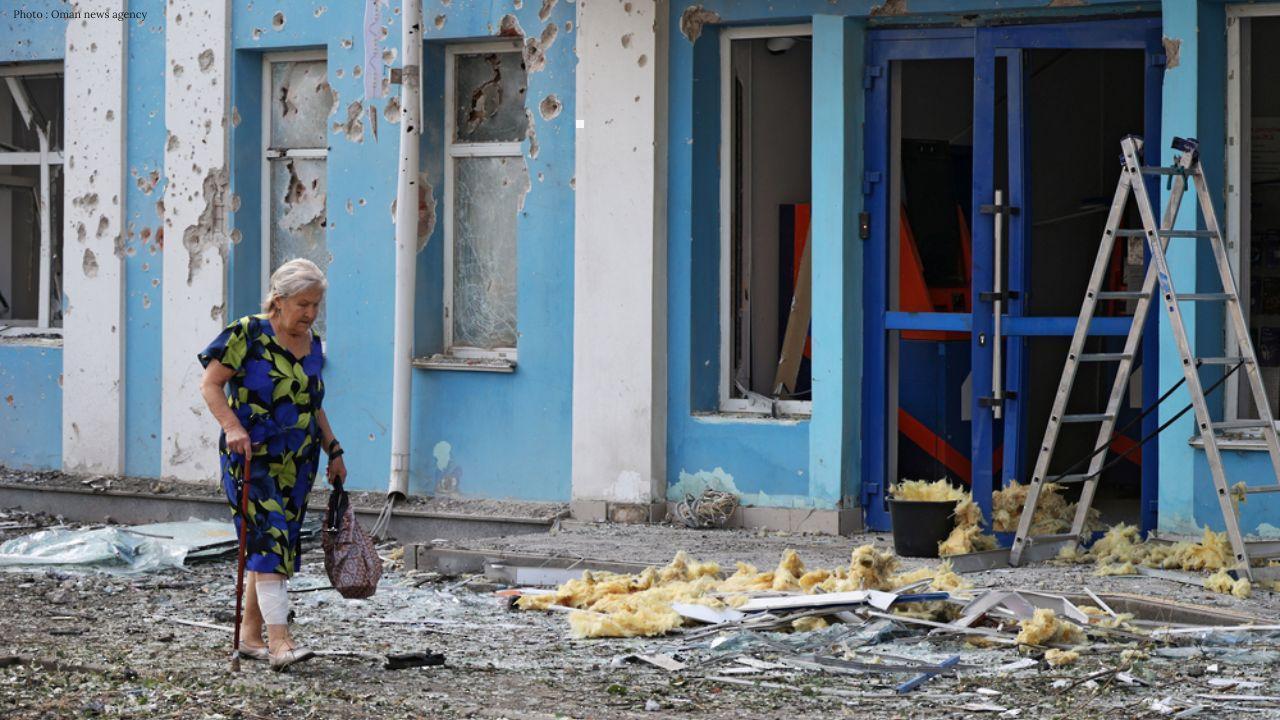
At the commencement of the two-day BRICS meeting, Jaishankar raised alarms about the ongoing conflict in West Asia and its repercussions on global shipping and energy markets. He cautioned that disruptions to major maritime channels could severely impact the world economy, escalate inflation, and introduce further uncertainty into global trade.
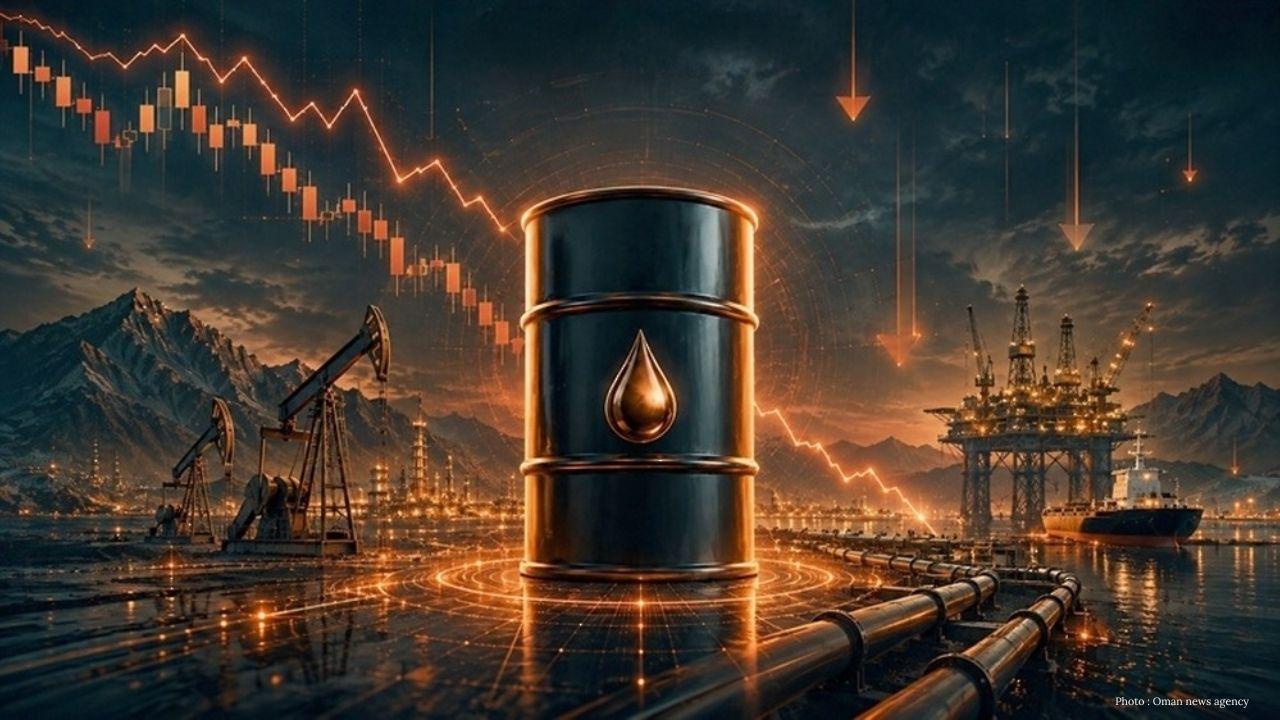
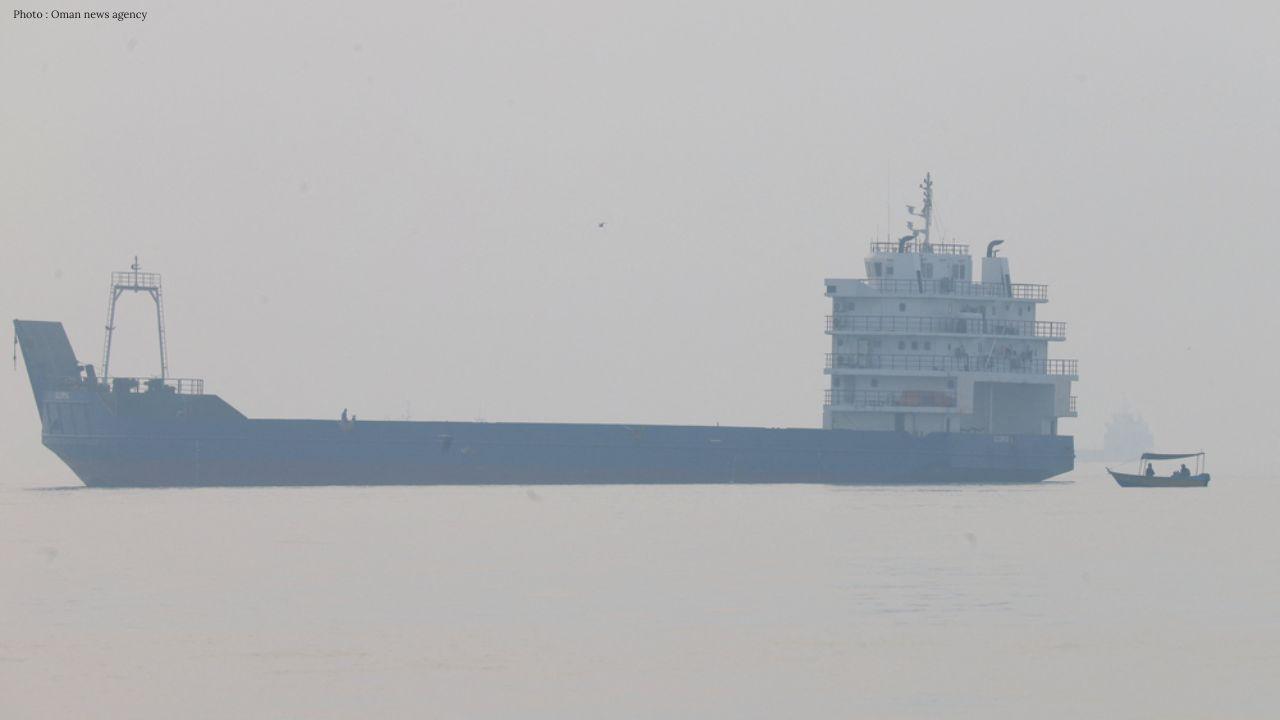
He pointed out that the Strait of Hormuz is among the most crucial shipping lanes globally, with a significant portion of the world's oil and gas traversing the region. The escalating tensions in the Middle East have reportedly led to disruptions in tanker traffic, heightened shipping risks, and caused energy prices to rise sharply across international markets.
Jaishankar also advocated for resolving global disputes through dialogue and diplomacy, rather than through unilateral sanctions or coercive measures. He emphasized that developing nations are typically the most vulnerable to economic sanctions and geopolitical tensions. He encouraged BRICS nations to collaborate in fostering a balanced, stable, and rules-based international framework.
Currently, the BRICS consortium comprises Brazil, Russia, India, China, South Africa, Egypt, Ethiopia, Indonesia, Iran, and the United Arab Emirates. India is chairing the BRICS grouping for 2026 and is hosting the foreign ministers' gathering in New Delhi, which has seen the participation of several high-profile leaders, including Iran’s Foreign Minister Abbas Araqchi and UAE Deputy Foreign Minister Khalifa Shaheen Al Marar.
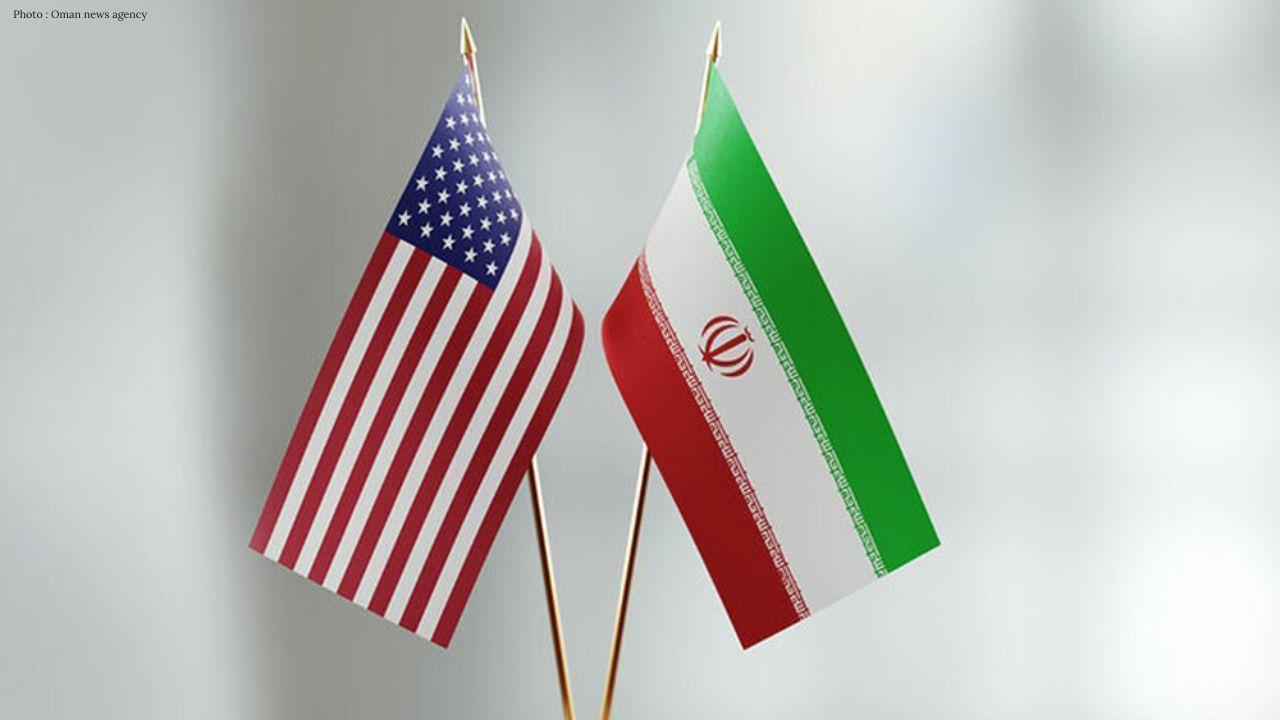
Officials have noted that the ongoing conflict involving Iran has led to divergences among some BRICS member states, complicating negotiations for a unified statement. This conflict has also intensified pressures on global energy markets and raised alarms regarding potential disruptions to international oil supplies.
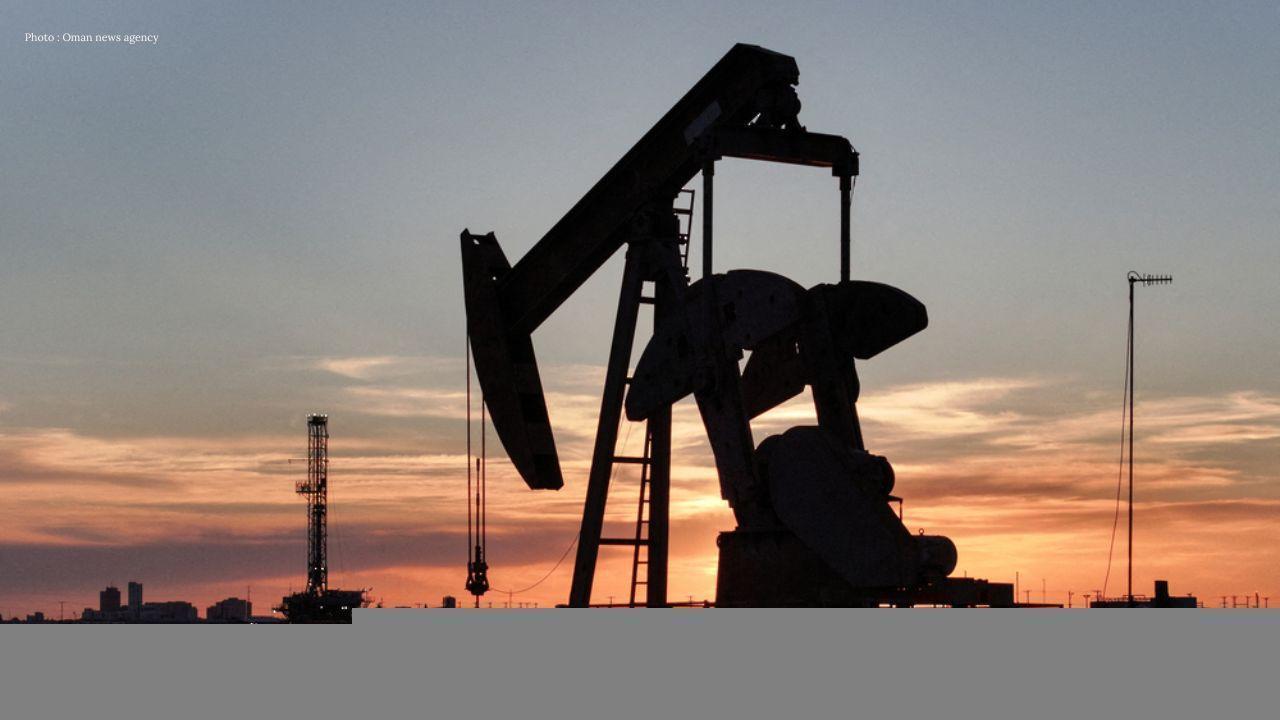
Economic analysts suggest that the situation surrounding the Strait of Hormuz could pose significant challenges for global trade in the upcoming year if tensions persist. This route is deemed essential for delivering crude oil and liquefied natural gas to various parts of the globe. Any sustained disruption could directly influence fuel prices, inflation rates, shipping costs, and industrial output worldwide.
India continues to champion freedom of navigation and secure maritime trade routes, given its substantial reliance on imported energy resources. Government officials emphasize that ensuring peace and stability in critical maritime corridors is crucial for economic security and international collaboration.
The discussions at the BRICS meeting in New Delhi are slated to delve into global economic stability, trade partnerships, energy security, and diplomatic strategies for resolving international conflicts over the next two days.


 English