Post by : Shweta
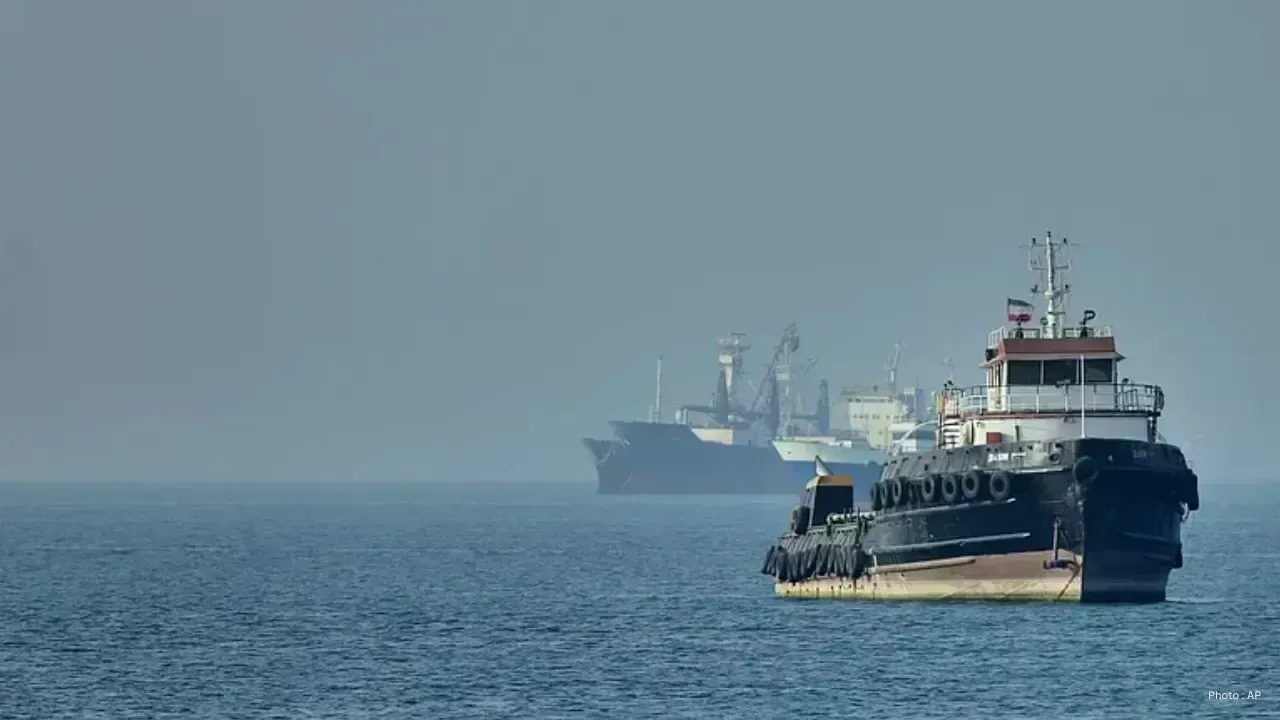
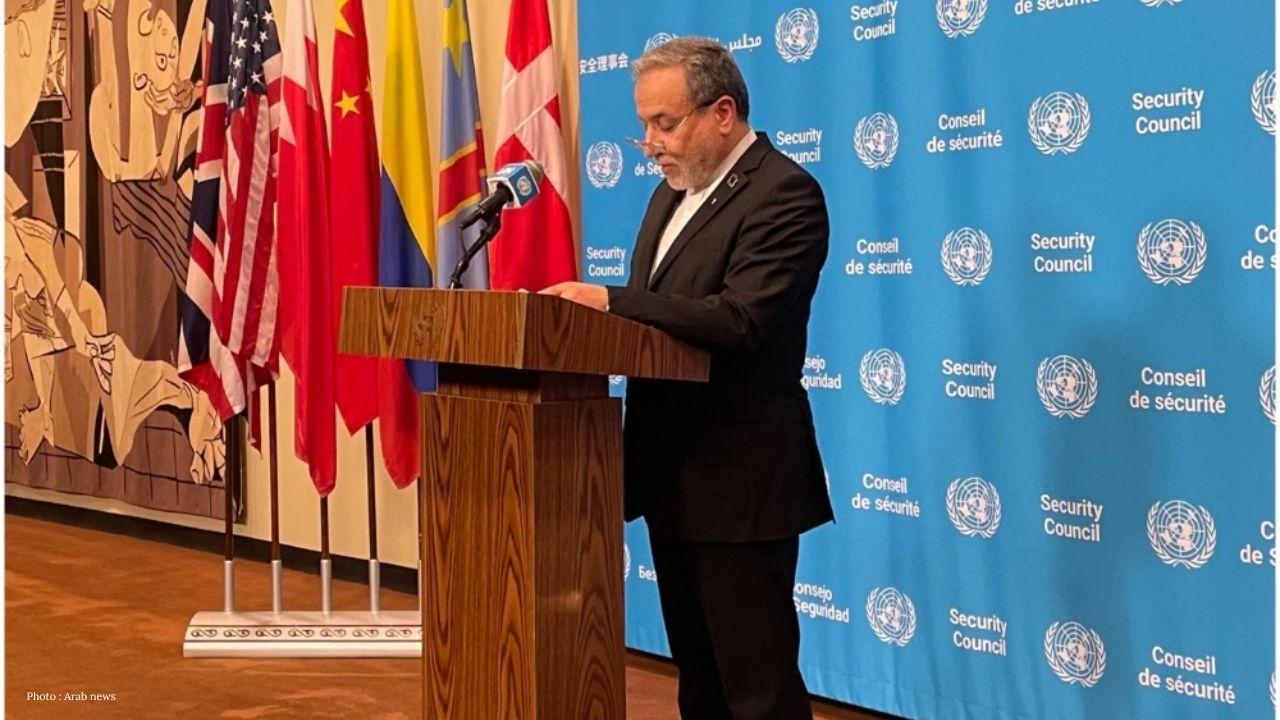
India has firmly denounced the assaults on commercial shipping in the Strait of Hormuz during a session at the United Nations, labeling these actions as “unacceptable” and a major risk to maritime security and international commerce. The Indian delegation emphasized that the safeguarding of global shipping lanes is vital for maintaining economic stability and energy supply worldwide.
During discussions at the United Nations, Indian officials conveyed their alarm regarding escalating tensions and security concerns in the strategically significant Strait of Hormuz, a key route for oil transportation. India stressed that the right to navigate freely and the protection of commercial maritime vessels must be upheld according to international law.
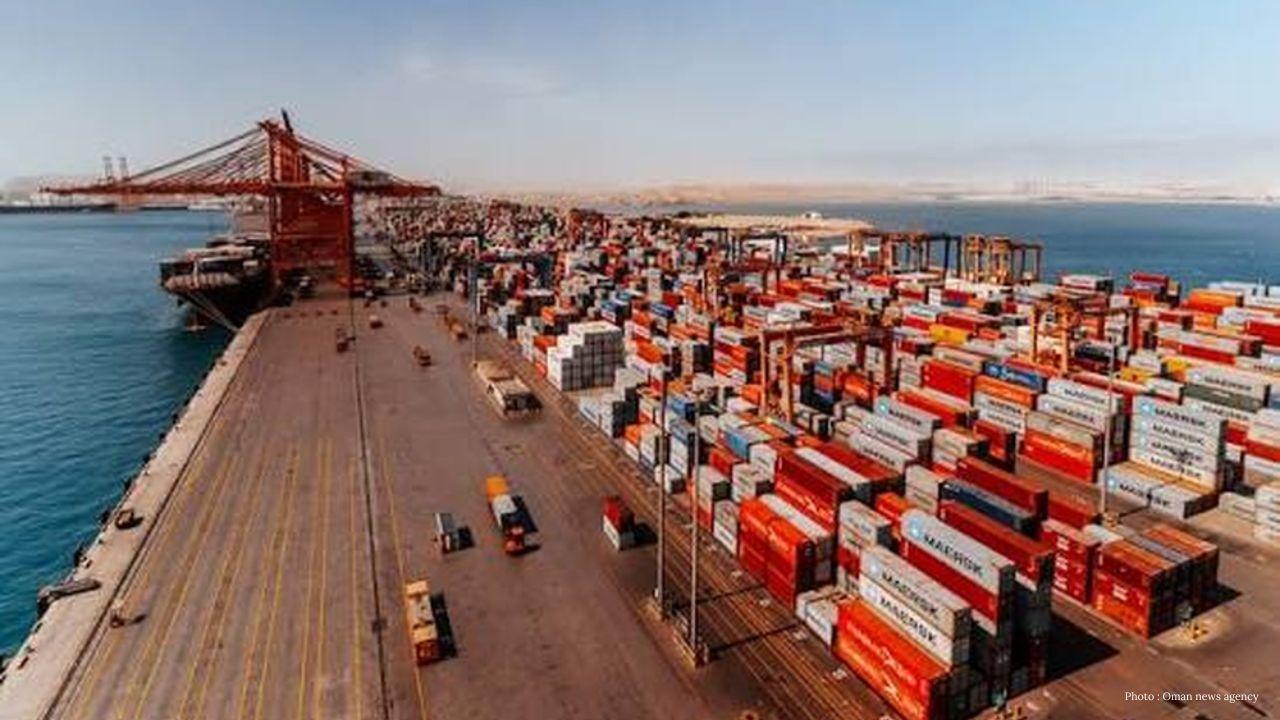
The Strait of Hormuz is recognized as one of the most crucial maritime corridors globally, linking major oil-producing nations in the Middle East to international markets. A substantial volume of the world's crude oil and energy shipments traverse this narrow passage daily. Any disruptions in this area can significantly impact global oil prices, supply chains, and trade.
India warned that attacks on civilian and commercial vessels not only jeopardize regional stability but also create unpredictability within the global economy. Officials cautioned that ongoing incidents in the region might lead to increased shipping and insurance costs as well as higher energy prices for many nations, particularly developing economies reliant on imported fuels.
Indian representatives urged for restraint, dialogue, and peaceful resolutions in order to alleviate the rising tensions in the region. At the United Nations, they reaffirmed the importance of adhering to international maritime regulations and avoiding aggressive actions that could destabilize the Gulf.
These statements come amid a backdrop of heightened geopolitical strains involving several Middle East nations. In recent years, a number of commercial vessels and oil tankers navigating the Strait of Hormuz have been subjected to drone strikes, hijackings, and various security threats, eliciting anxiety among global states and shipping companies.
India's economic and energy interests in the Gulf are significant, as a considerable portion of its oil imports transit through the Strait of Hormuz. Consequently, ensuring stable and secure shipping routes remains a critical component of New Delhi's foreign policy.
Experts suggest that India's declarations at the United Nations signal an increasing global concern regarding maritime safety and the safeguarding of international trade routes. They believe that nations reliant on energy from the Middle East will persist in advocating for enhanced international collaboration to ensure the safety of commercial shipping in the area.
The United Nations and numerous global powers are anticipated to continue their discussions focused on maritime security and regional stability as tensions in the Gulf region are closely monitored.


 English